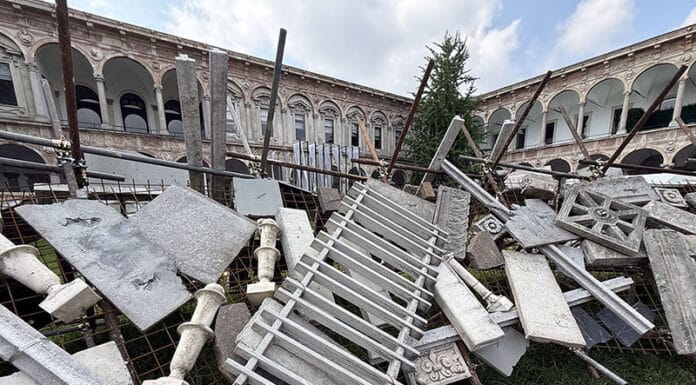

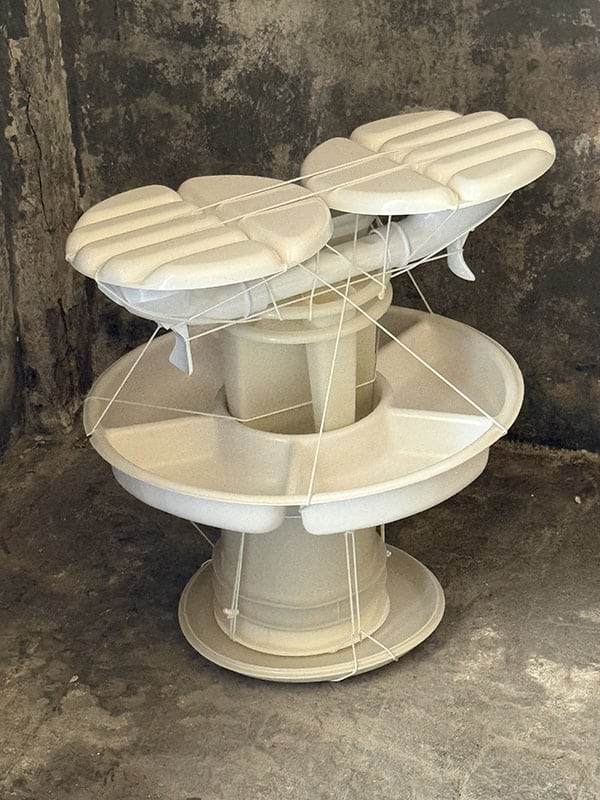
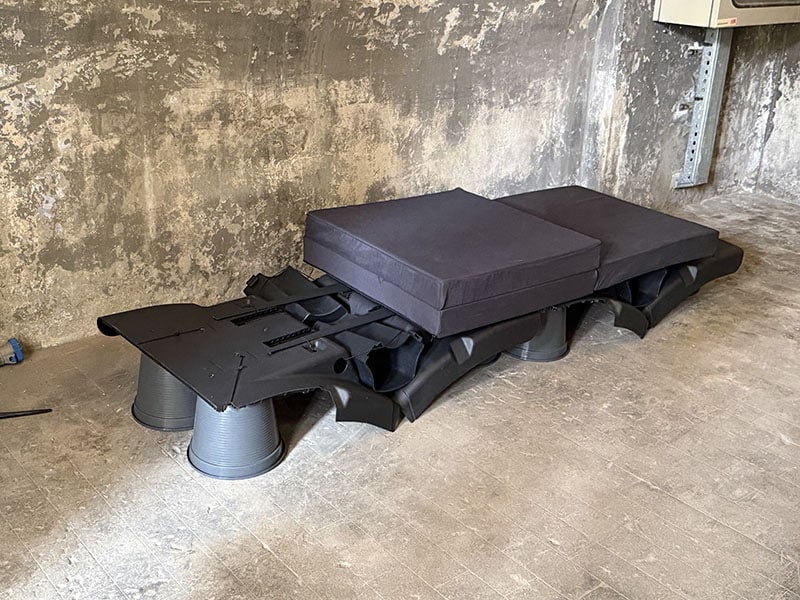
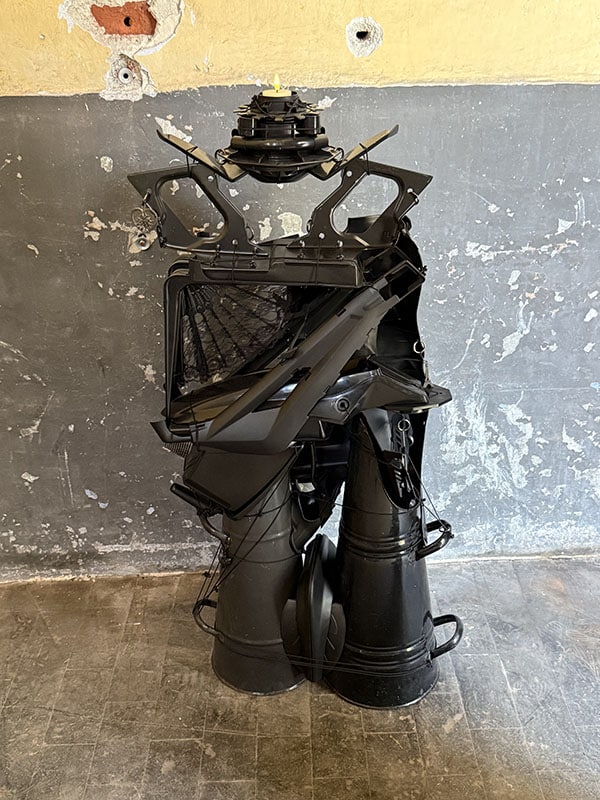
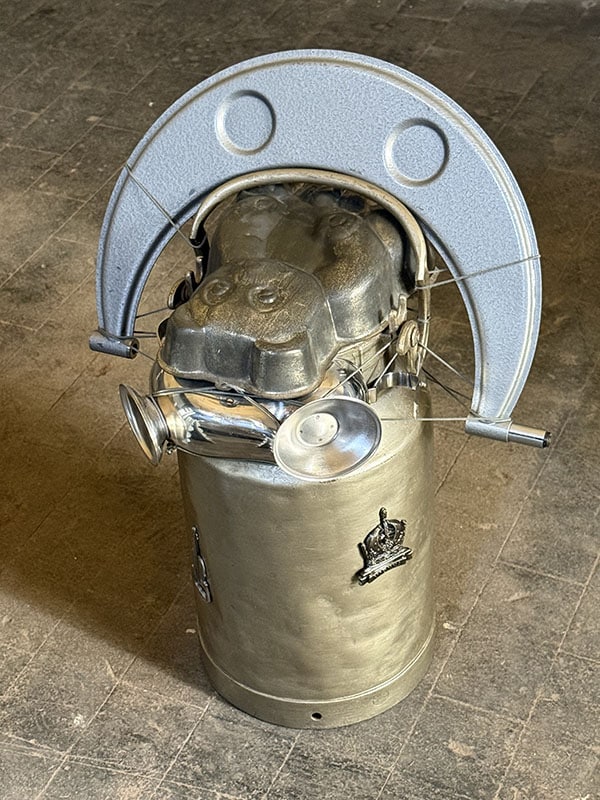
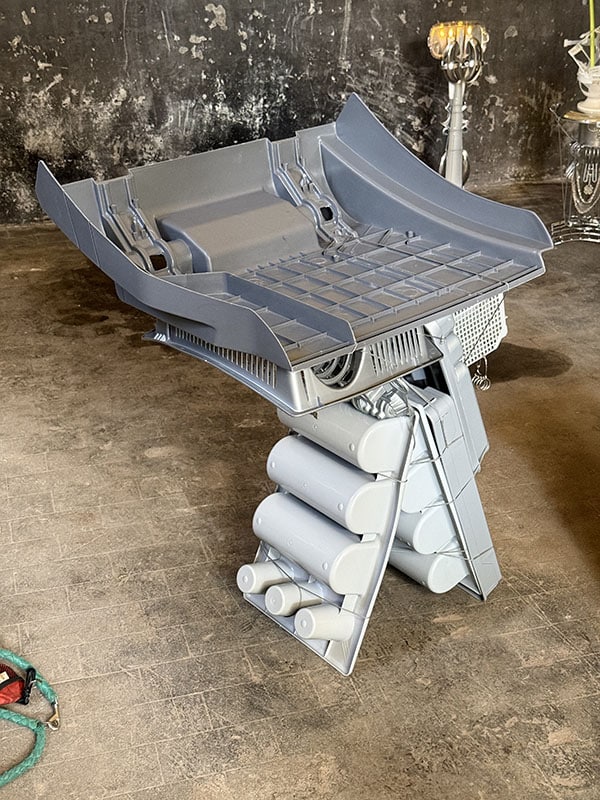
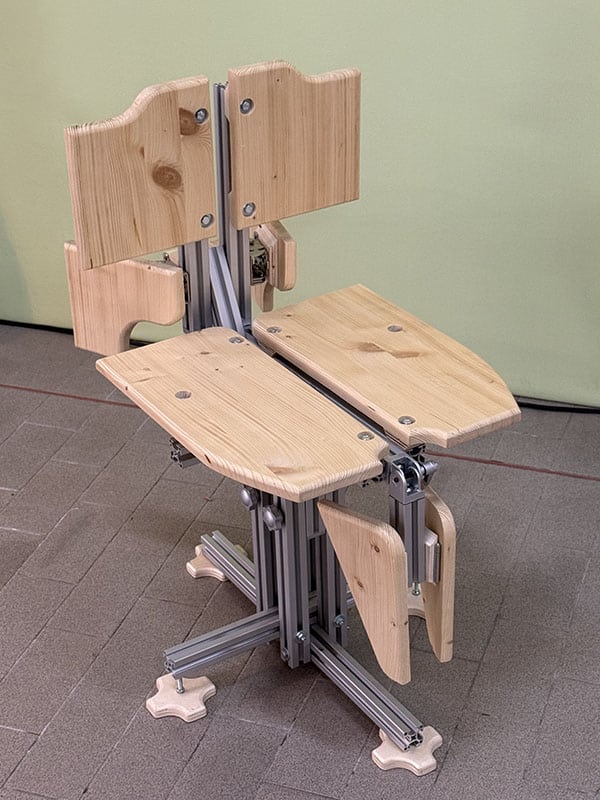
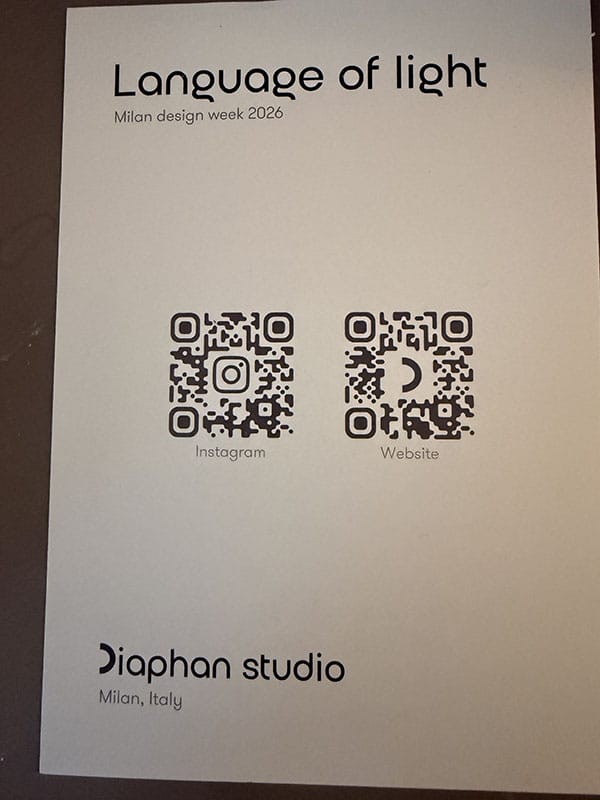
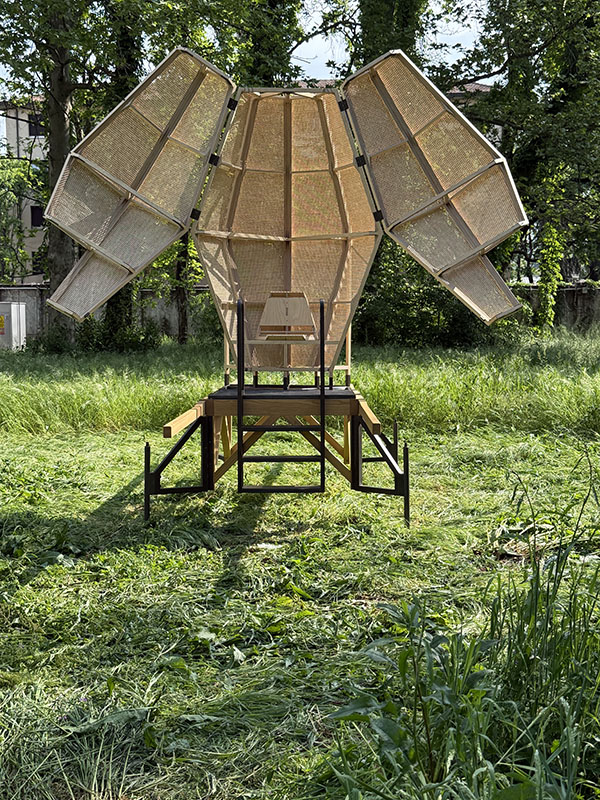
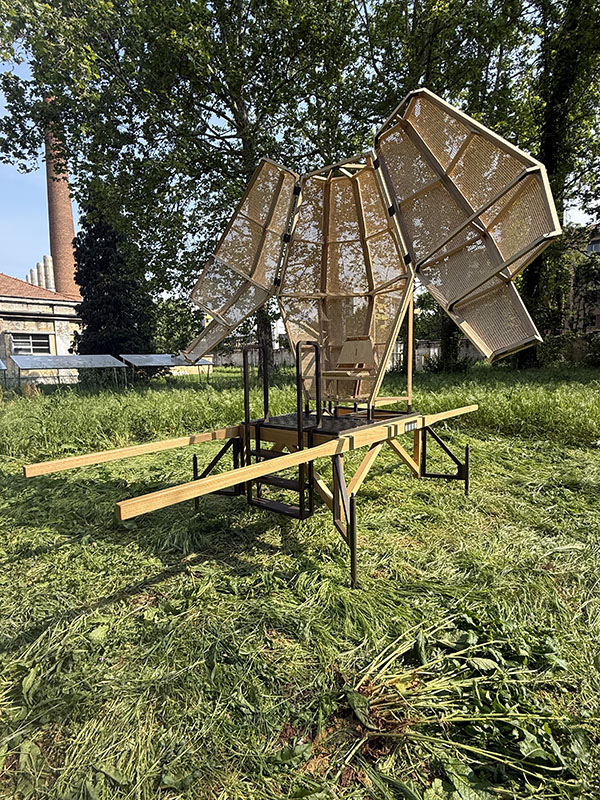
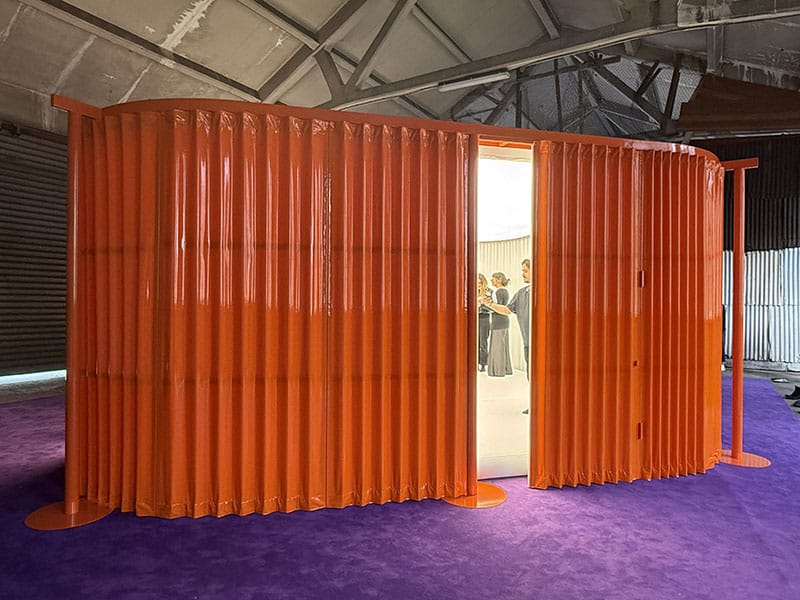
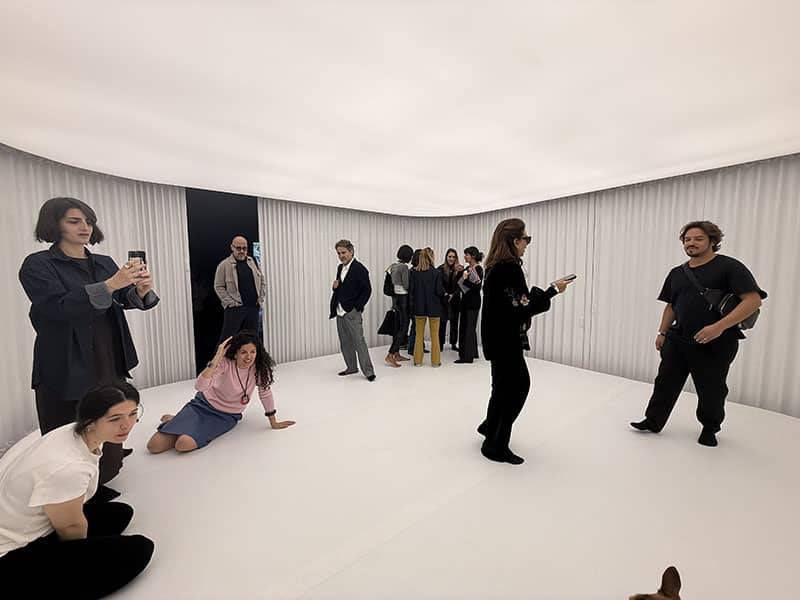
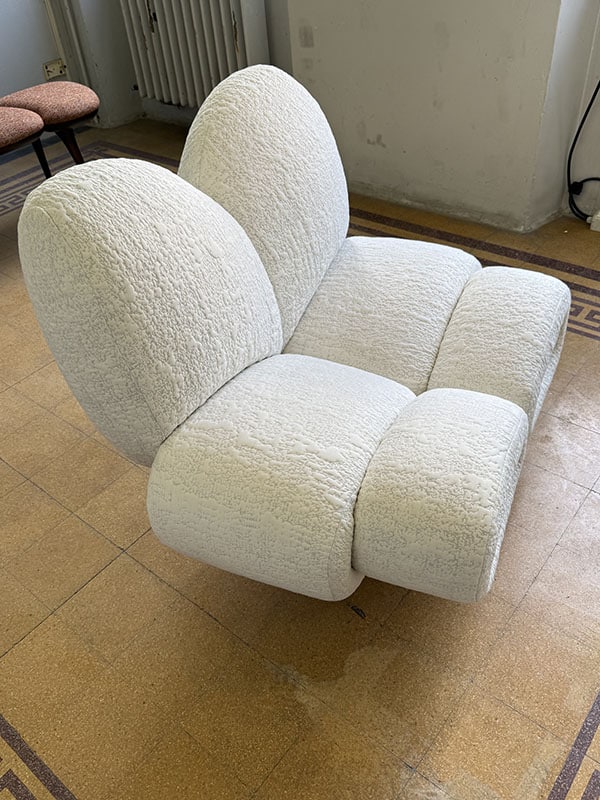
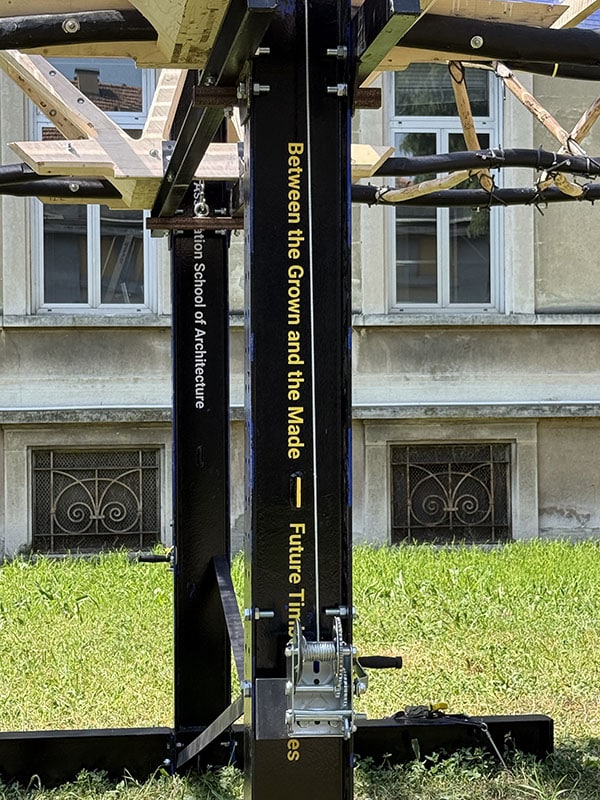
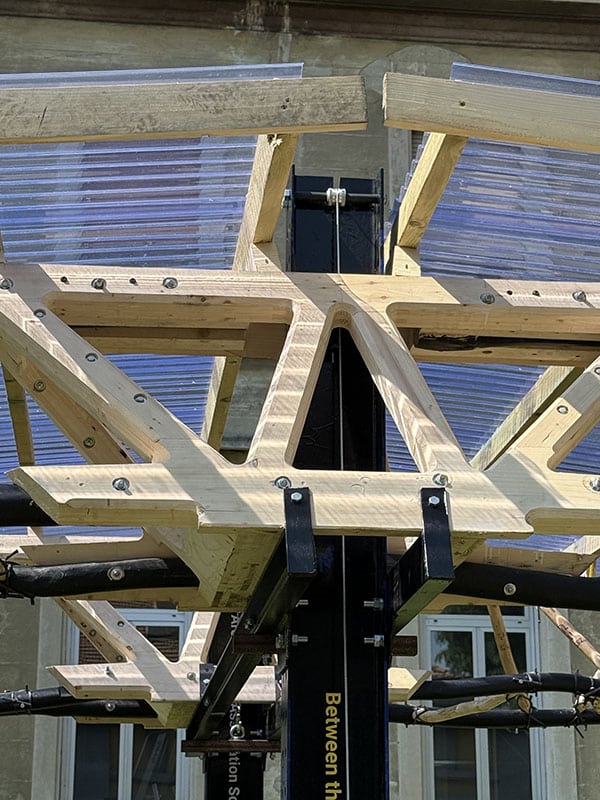
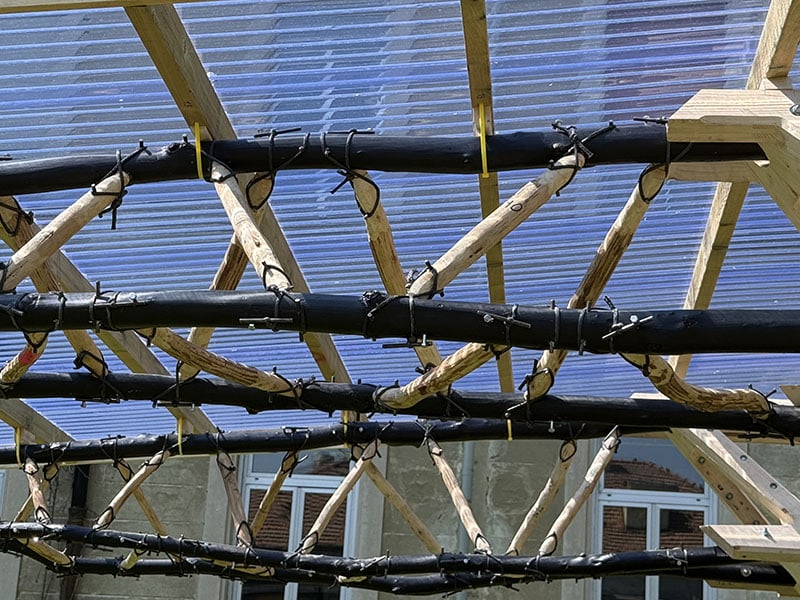
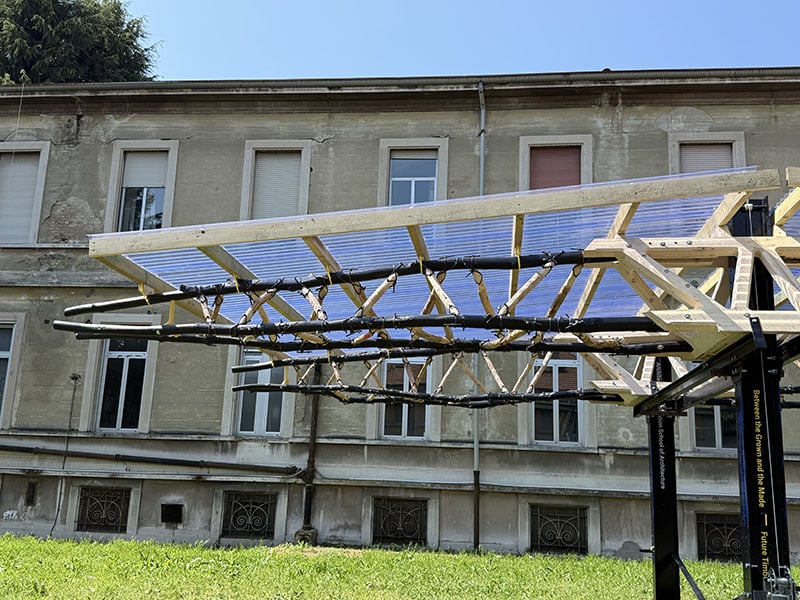
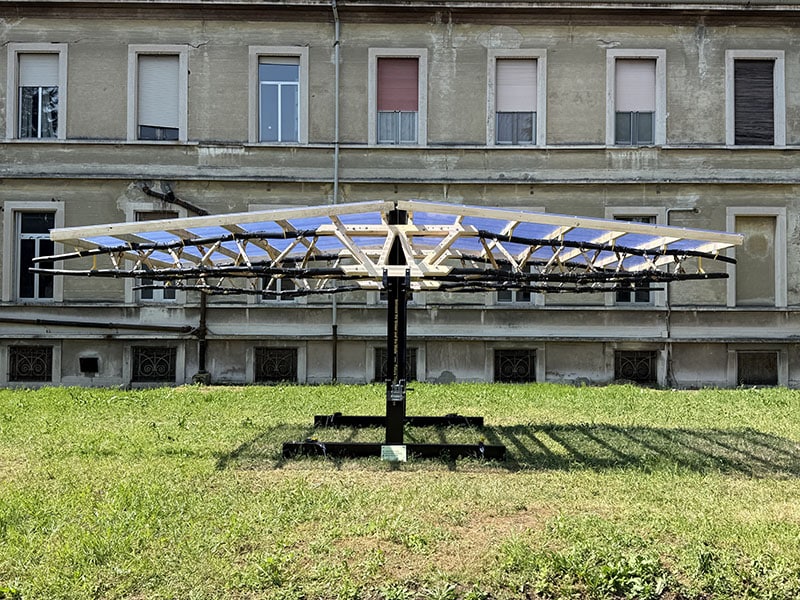
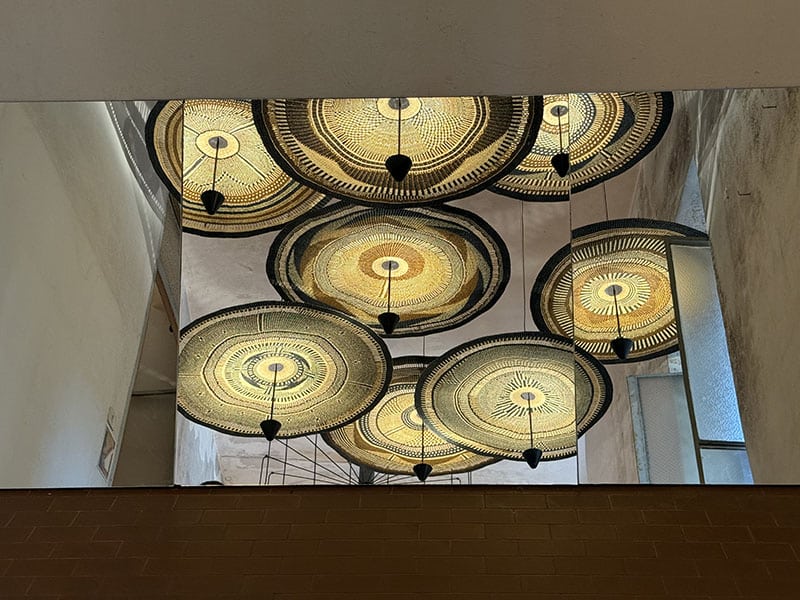
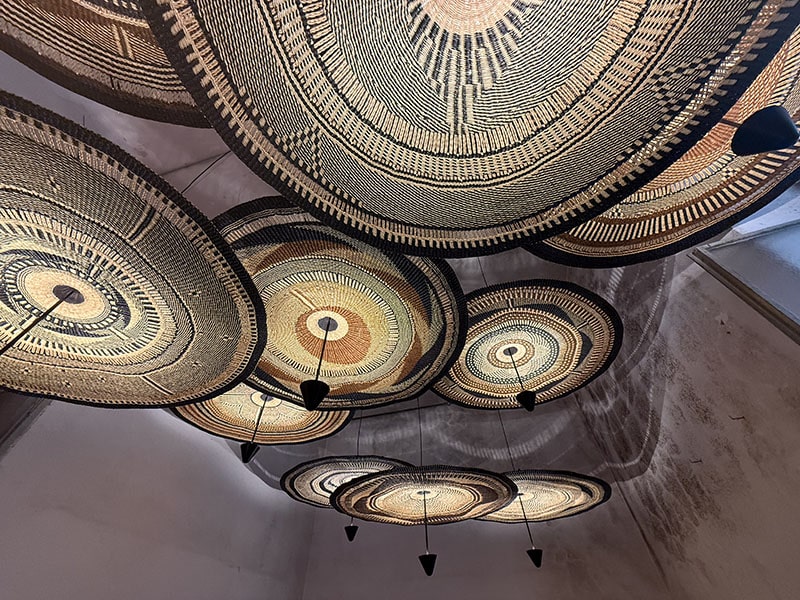
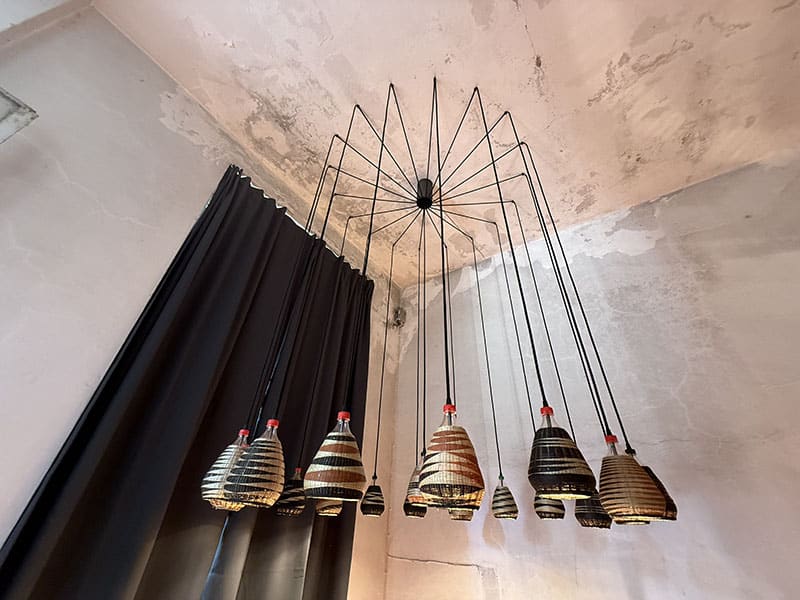
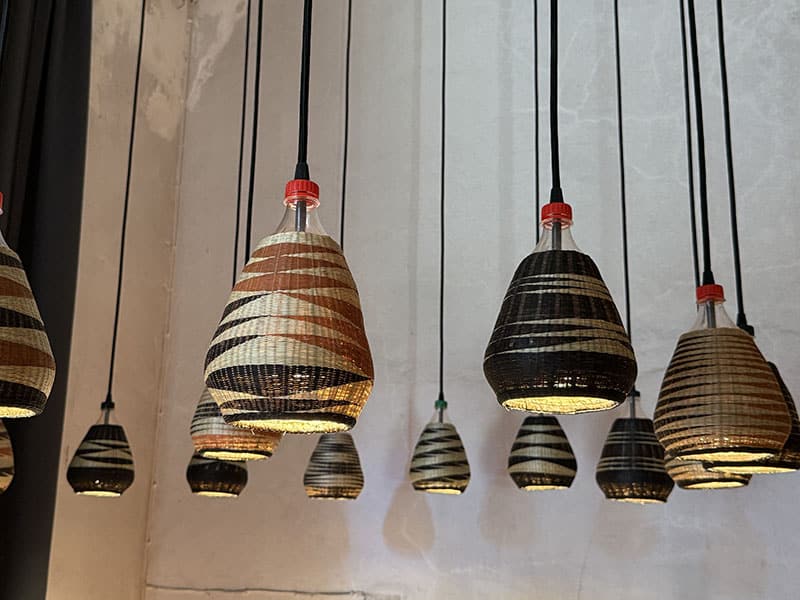
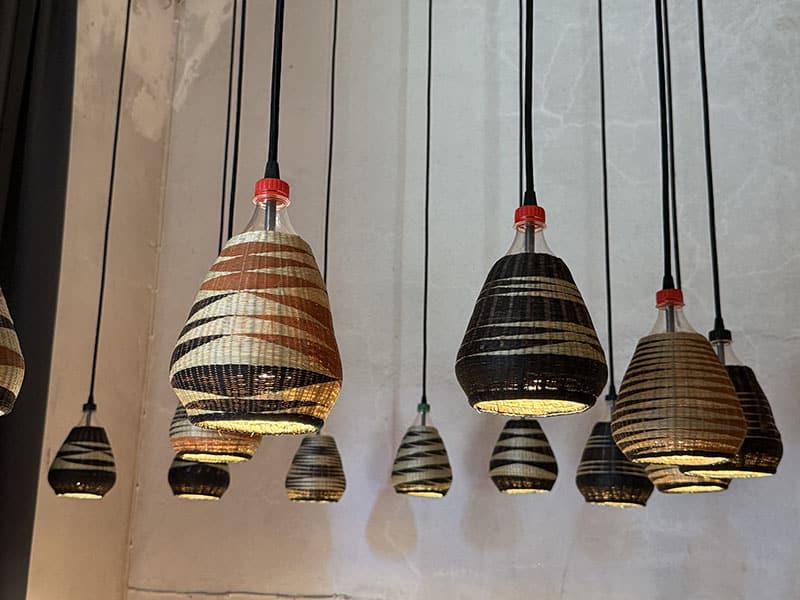
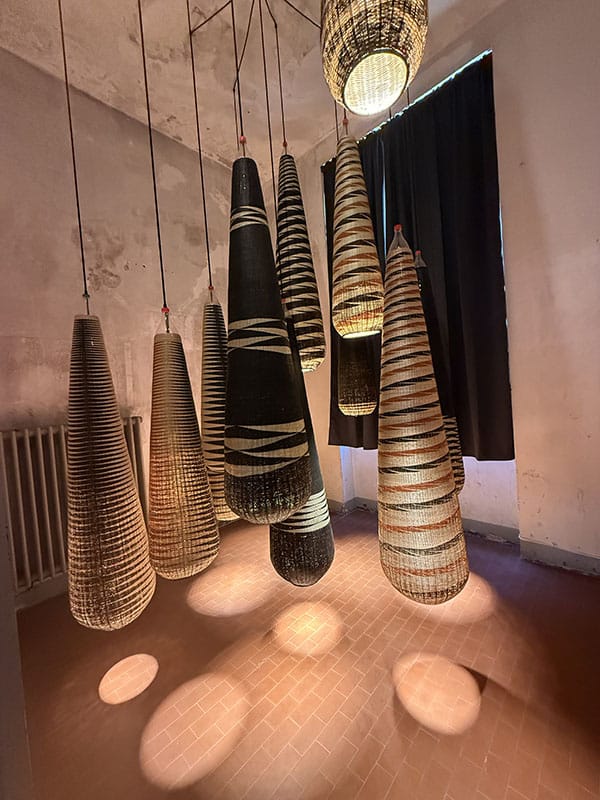
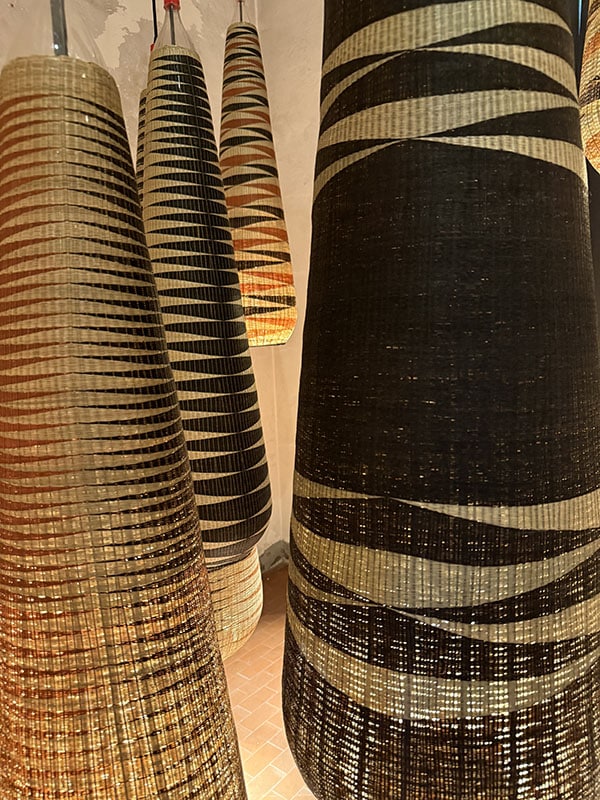
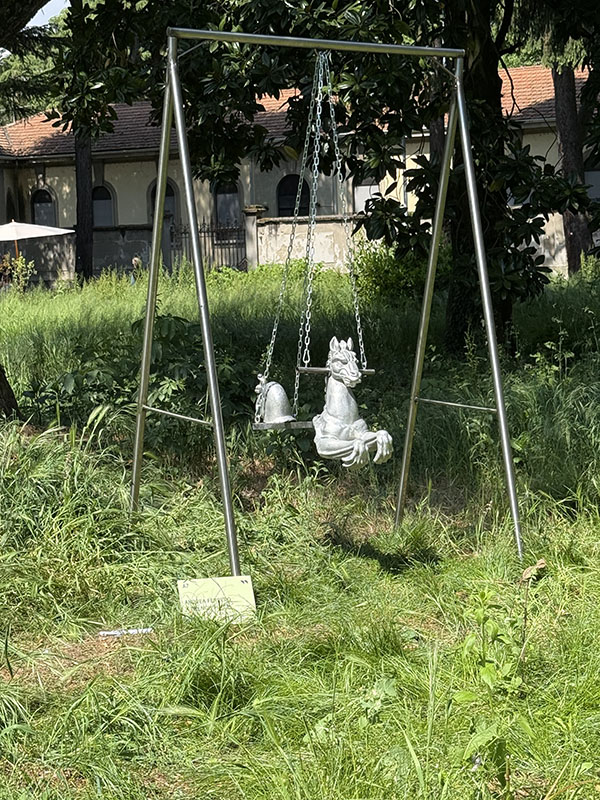
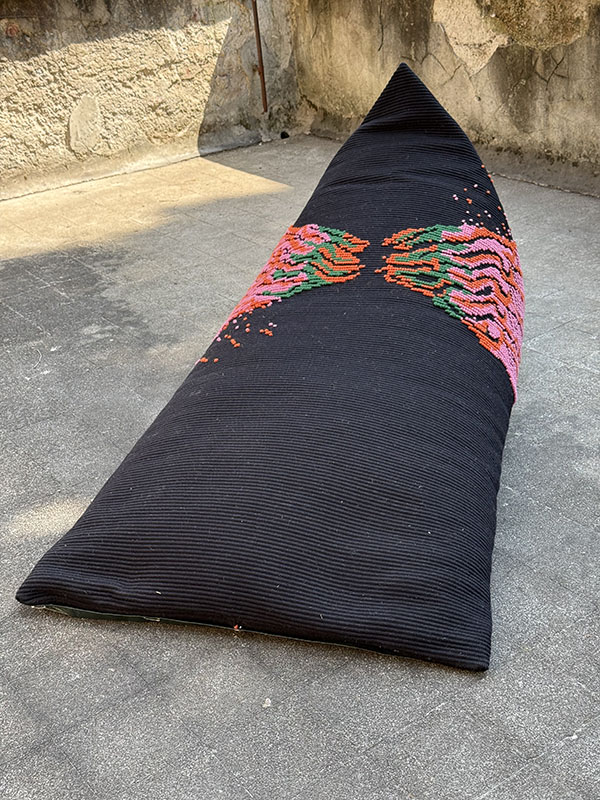
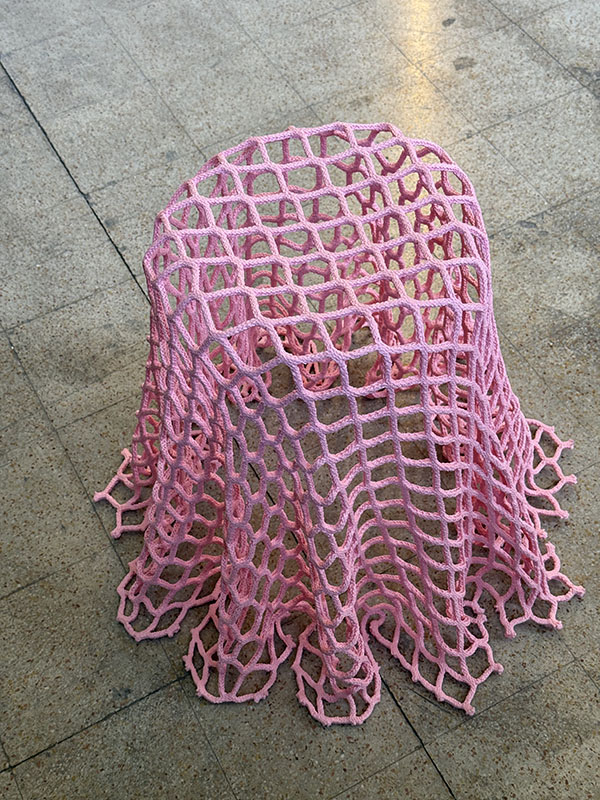
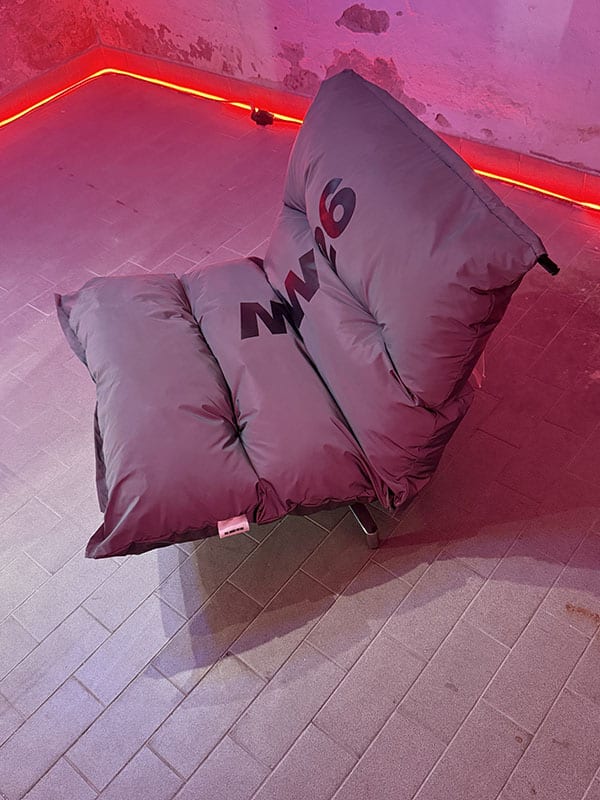
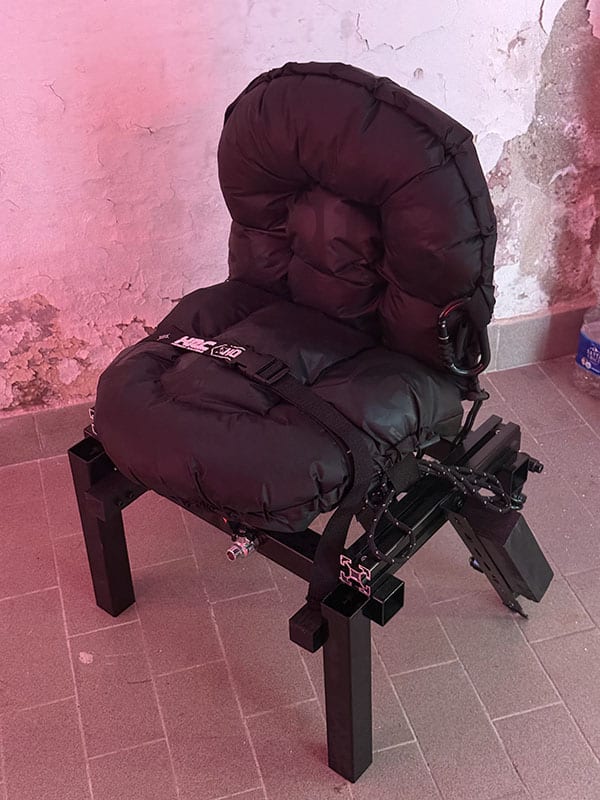
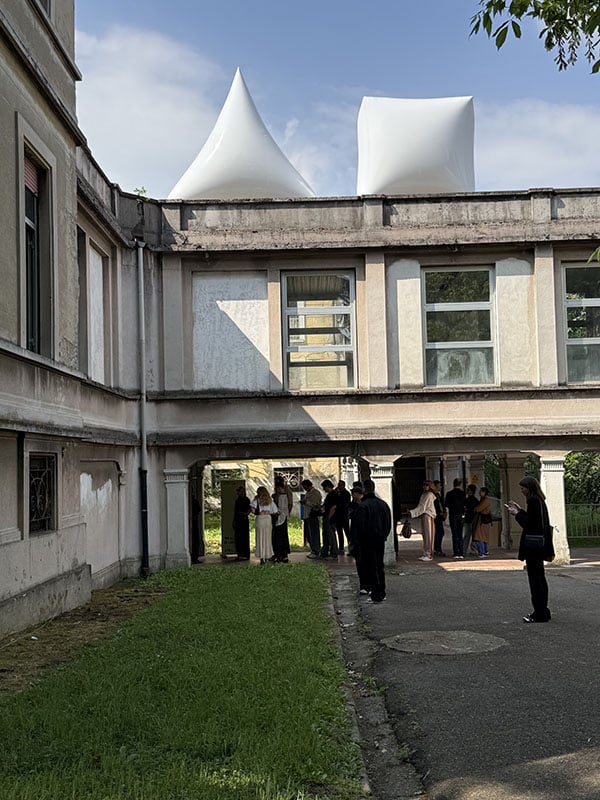
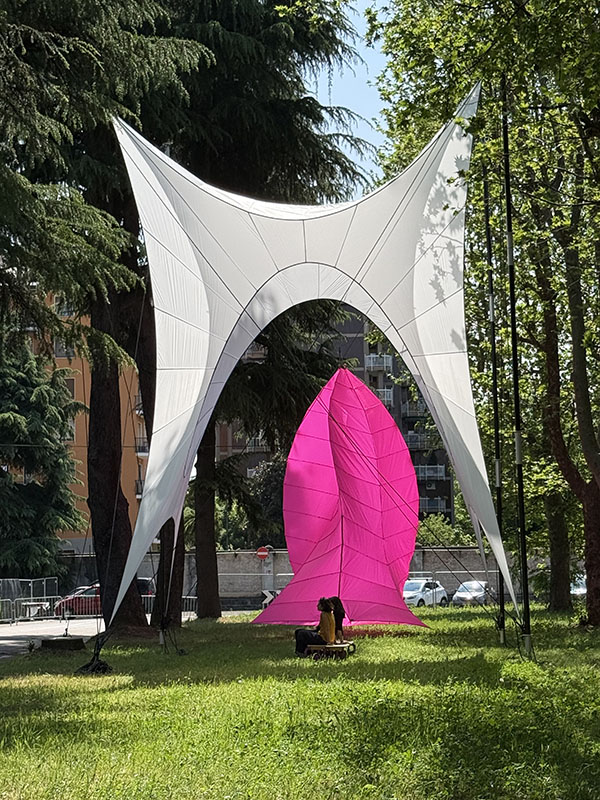
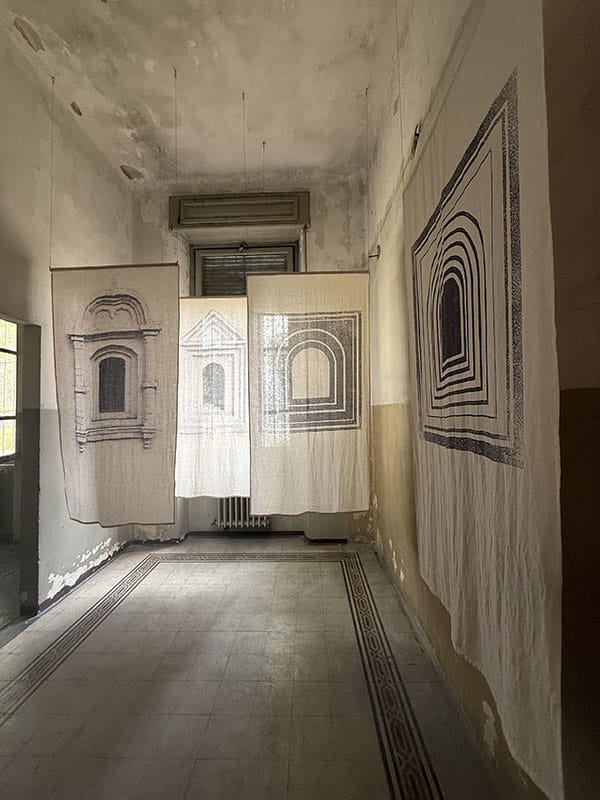
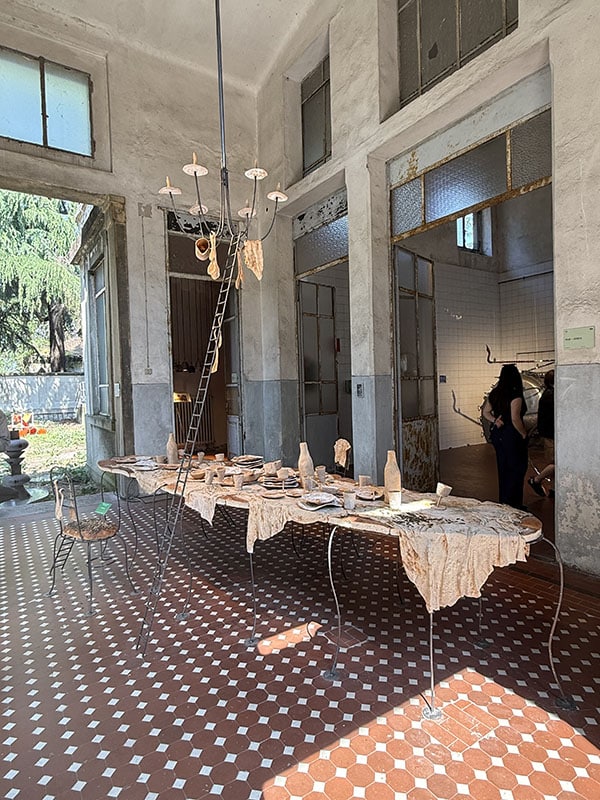
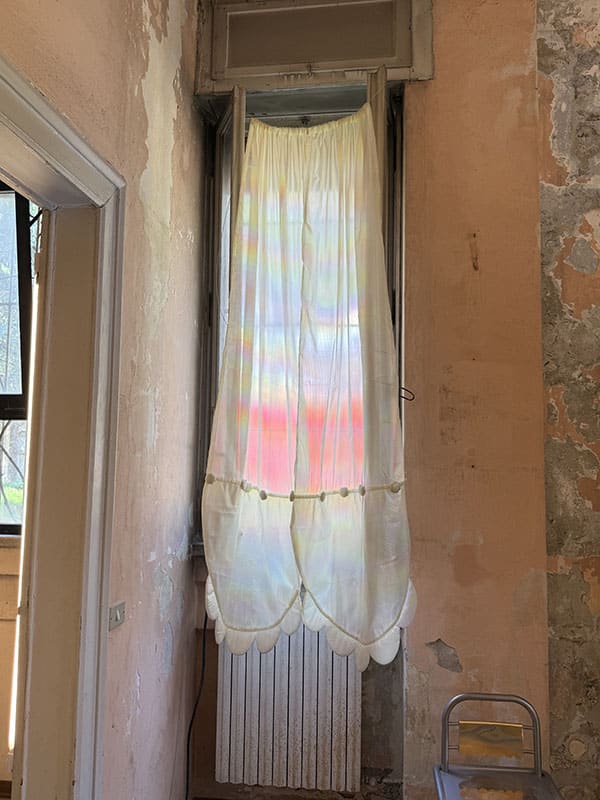
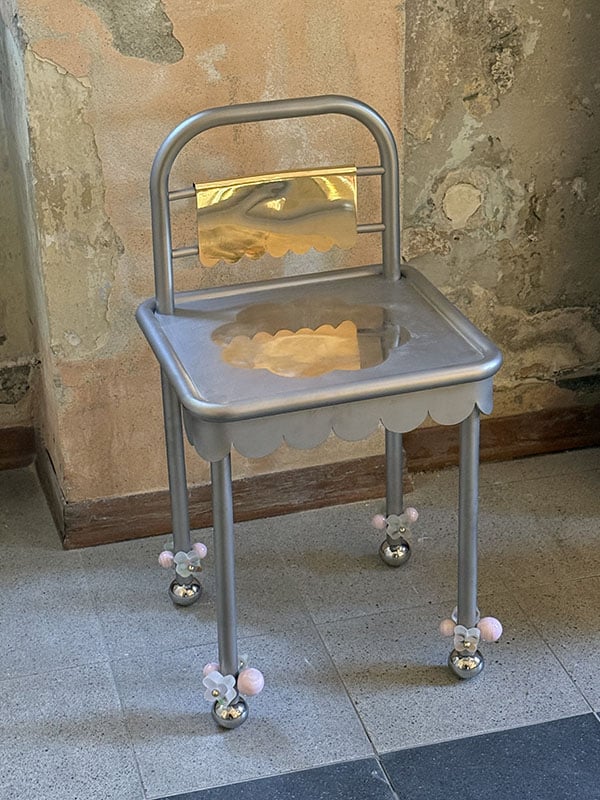
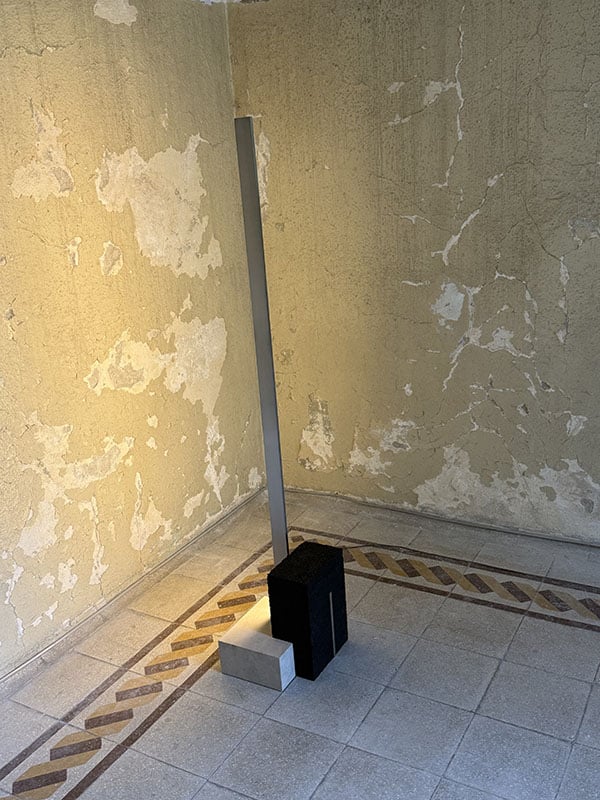
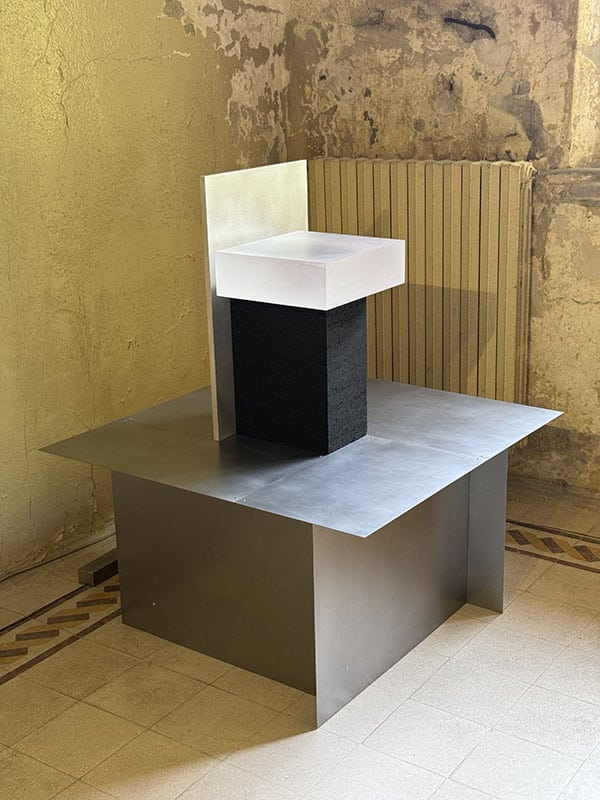
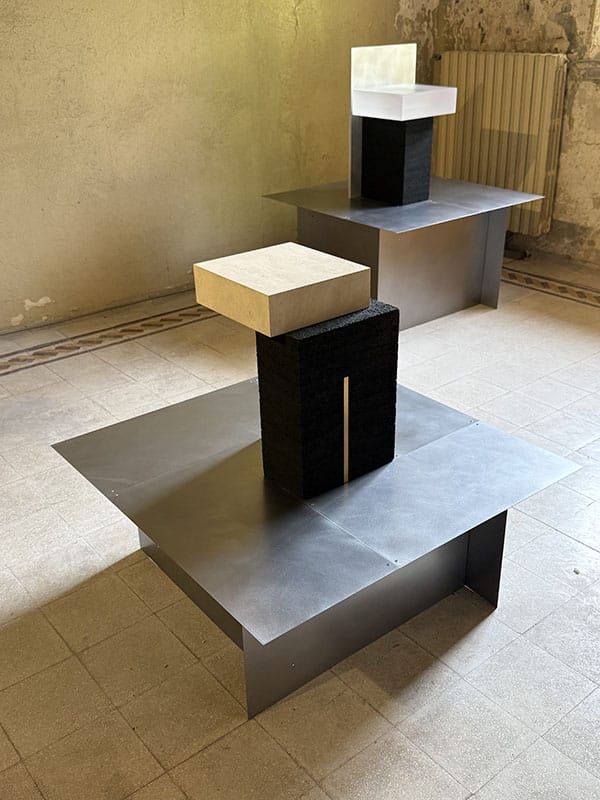
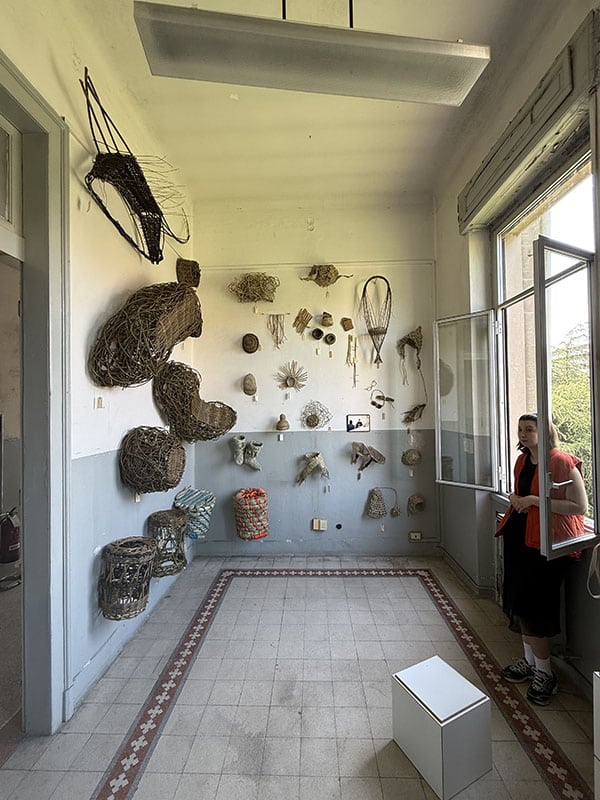
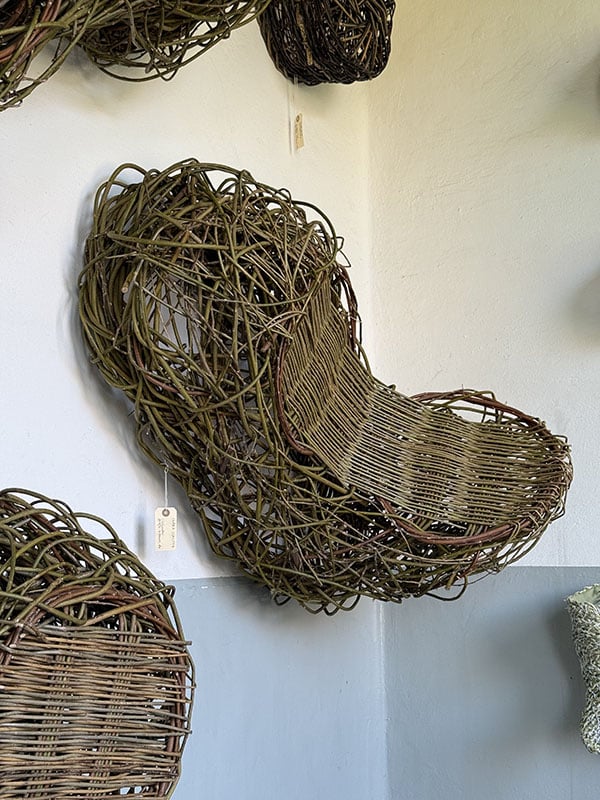
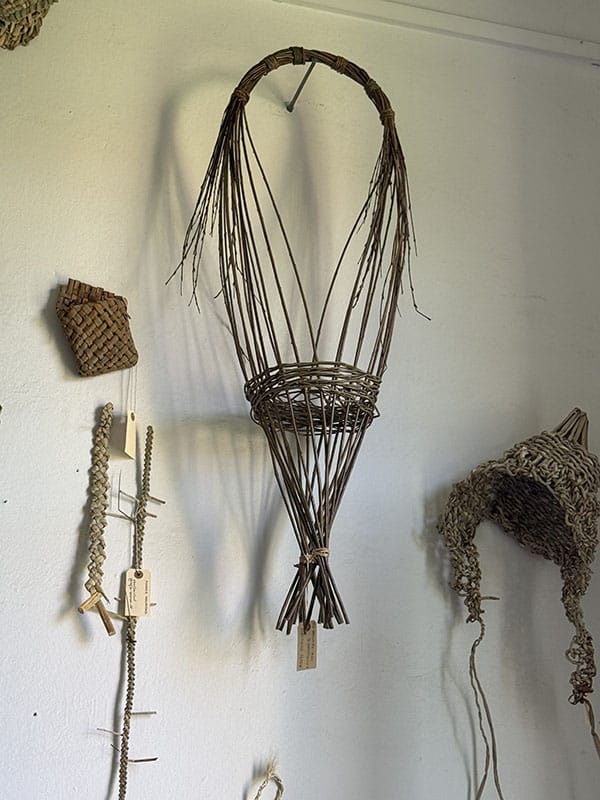
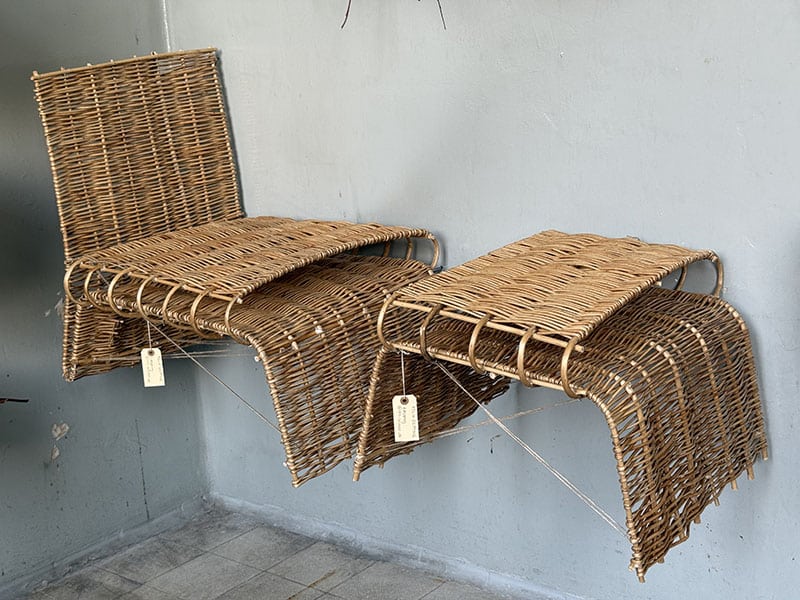
One of the phenomena that has been characterising the Fuorisalone in a very positive way in recent years is the birth of Alcova which represents an itinerant hub within the city but in unusual locations as in the last one which took place in the unused part of the Military Hospital in the Baggio district,it should be emphasized that in parallel with each event, there are also opportunities to discover notable and valuable architectural works within the area. The double shelter designed and built by students of the AA Architectural Association School of Architecture in London shows in all its parts the ability to create harmony between different techniques and materials. Alvaro Catalan de Ocon, founder of PET Lamps, in the Ibisi series combines the design of bamboo and papyrus weaves typical of traditional Uruhindu baskets (Rwanda)and the recycling of plastic bottles resulting in fascinating luminous objects and with the Gurunsi series the weaving designs are inspired by the architecture of the Frafra population (north-east of Ghana). “Playgrounds are temporary words within the ordinary world, inside them, a special order reigns.” For Andrea Ferrero, this is a world to be expanded through art for adults and children alike. M/U Mariantonia Urru created these works by Anna Galtarossa using ancient looms, weaving wool and cotton, where the design and colors are both part of the work and the installation. In the Harper series, Chen Furong constructs spatial compositions for lighting, translating pictorial gestures into light, using floral motifs and lines. Christoph Wimmer Ruelland with his modelling proposals explores the future of mass post-production which will result in an environmental collapse caused by overconsumption,His proposal is based on a creative re-assembly of mass-produced pieces, which, stripped of their fixed meaning, become modular raw material,transformed as needed, with rope-working techniques that allow for constant reuse and reconfiguration, creating temporary objects that reflect on human needs, past, present, and future. Inframezzo is the title of the essay written by the students of the Design Academy Eindhoven in a structural condition that develops between design, learning and everyday life. More than a theatrical pause, it is a moment of recalibration: a space where individual and collective rhythms intersect and observation becomes participation. Beyond poetry, the idea, the empathy and the project is the operation by Diana Escalante and Karol Szmigielski “Same animal hide to die”. At Diaphan studio we can see and appreciate “the language of light” displayed using reflective and translucent materials combined with the latest LED technologies,the result is the set of lights projected into the surrounding environment and into the luminous object sculpture at their origin. Didier Fiuza Faustino (Bureau des Mesarchitecture) for Disé created “Personal Kingdom” a nomadic pavilion that travels around the world in a procession allowing each to sit on this throne allowing him to momentarily embrace the landscape. Soglia is the name of this installation that explores the maximum of the minimum act of architecture, using sliding doors builds a space not for the masses by suggesting subtle boundaries without constraints and therefore allowing the coexistence of presence and absence, Objects of Common Interest project created by Dooor. Elitta proposes an exploration of mobile culture where a dialogue takes place between enveloping forms and rationalist geometries, creating a softness that takes the place of the architectural structure. Alcova continues in the next article.
Milano Design Week - Fuorisalone 2026 - 3
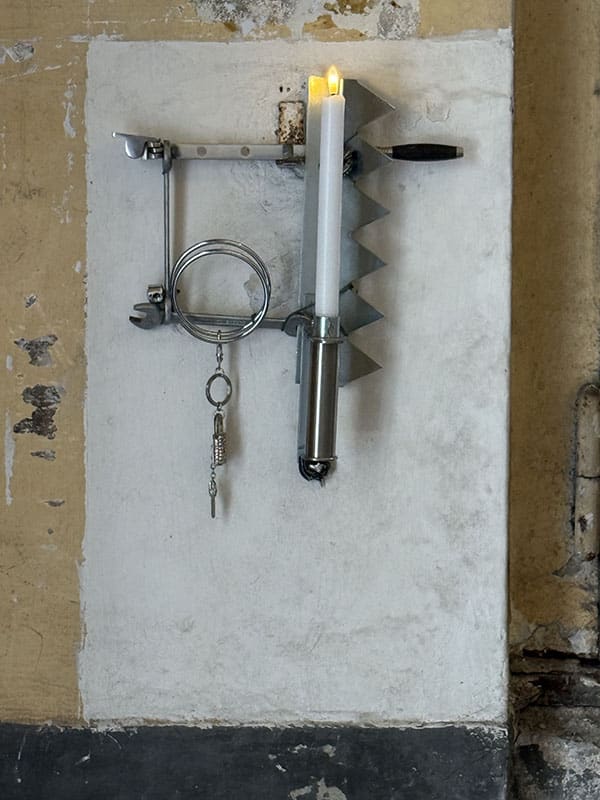
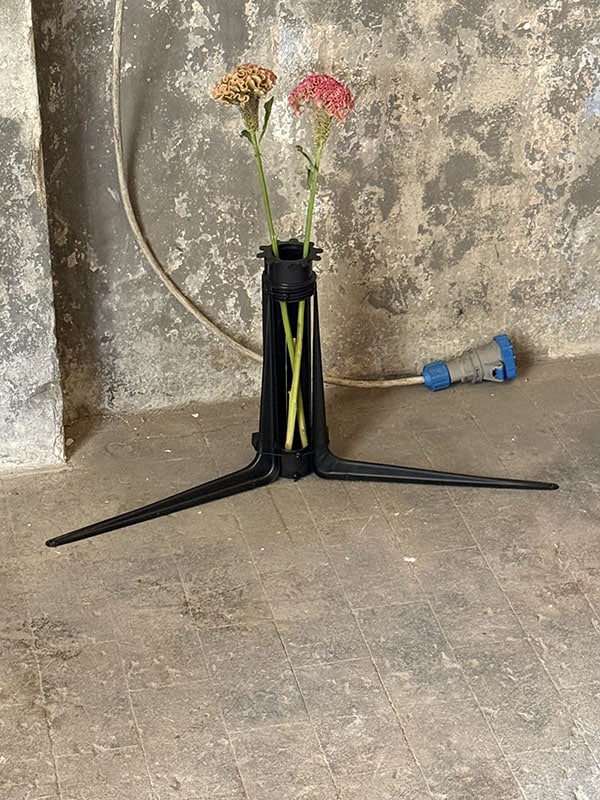
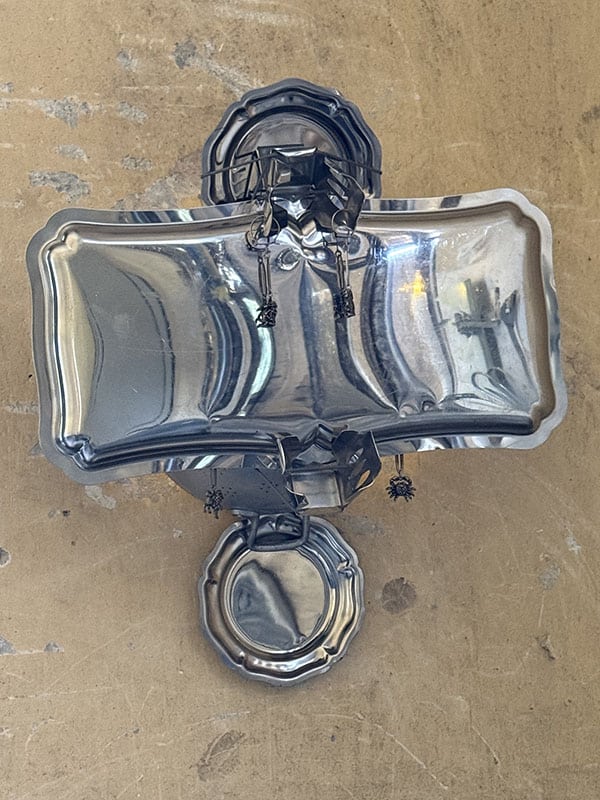
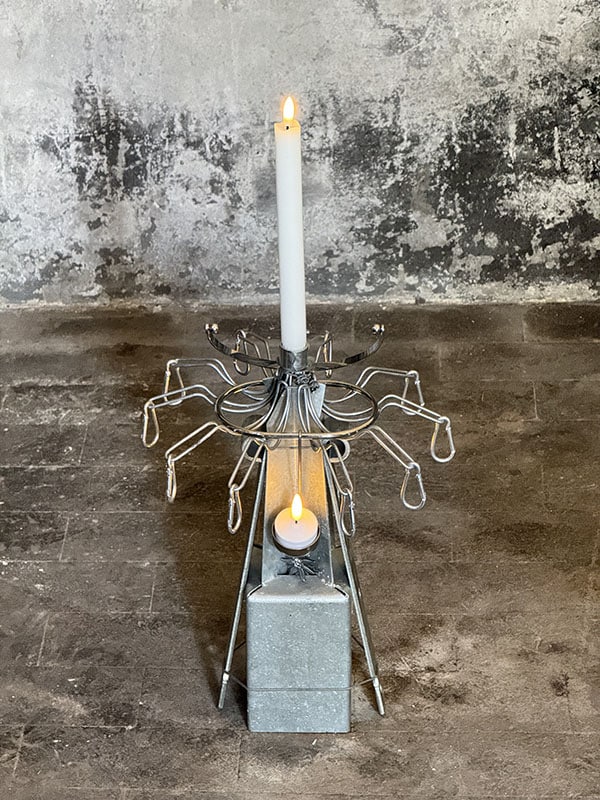
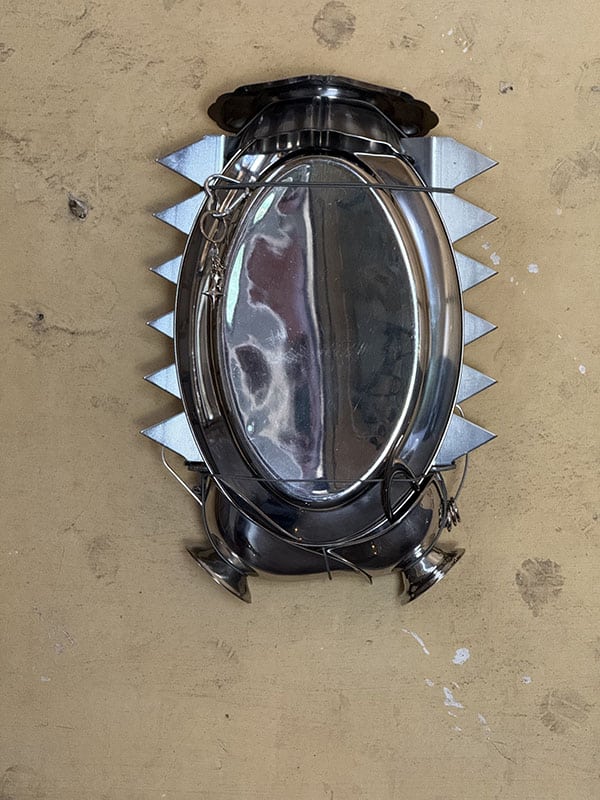
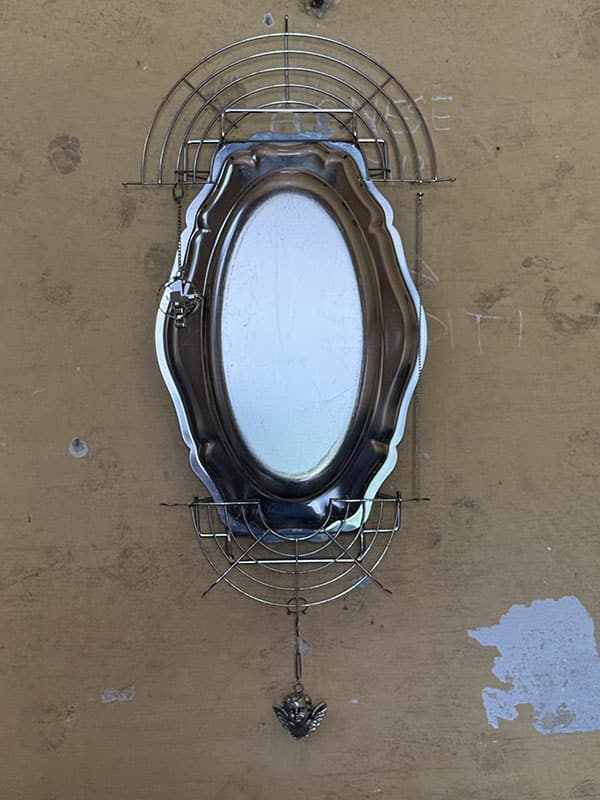
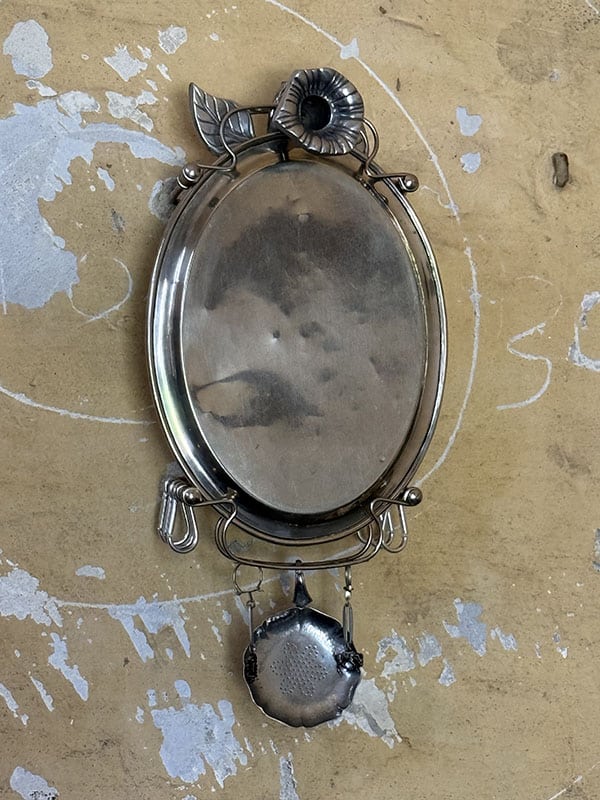
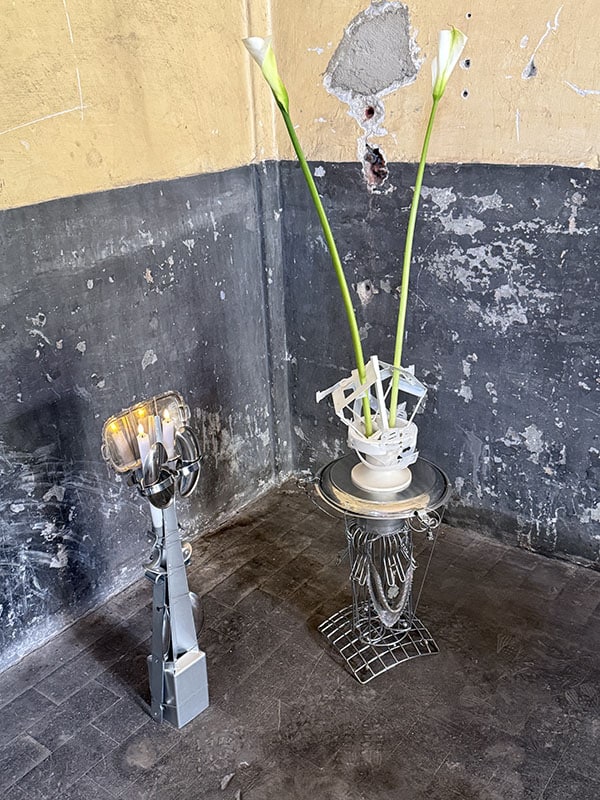
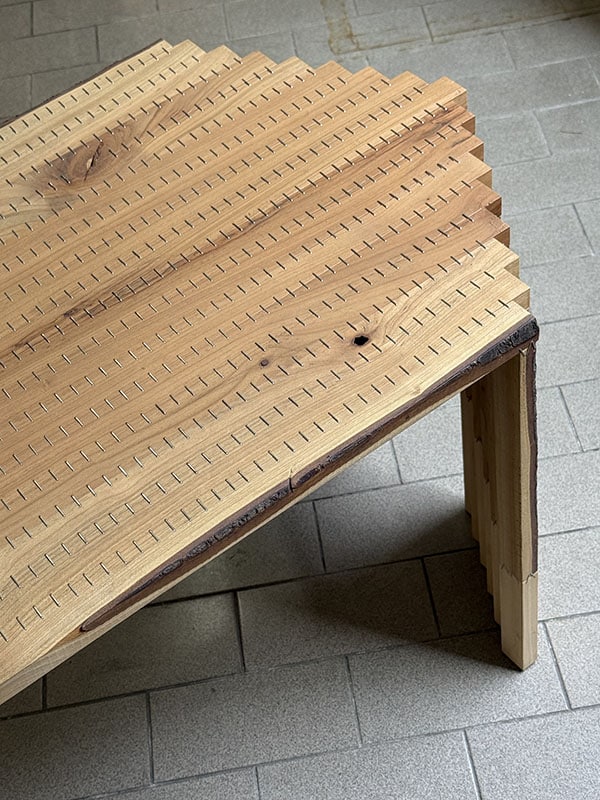
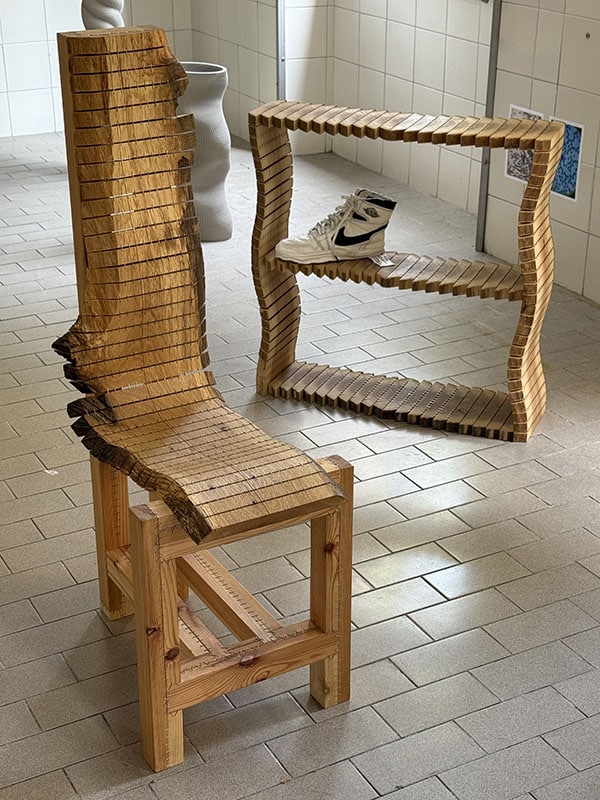
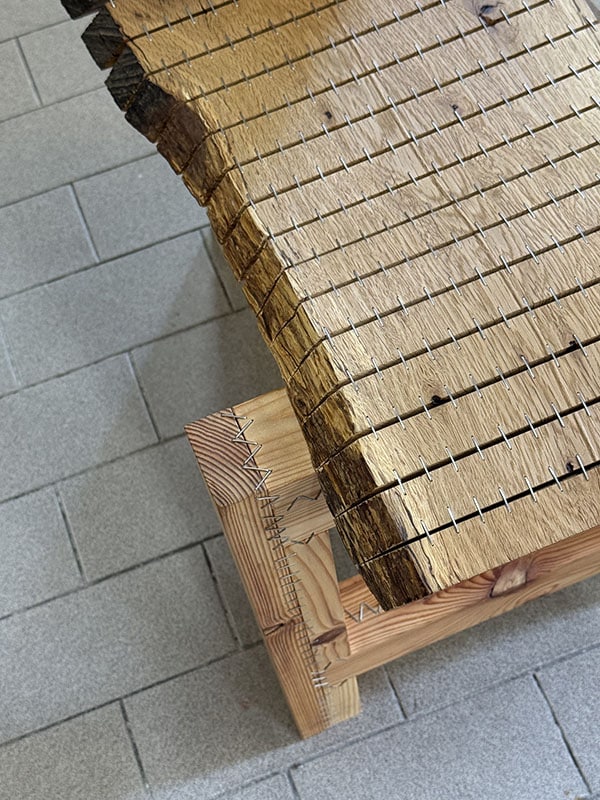
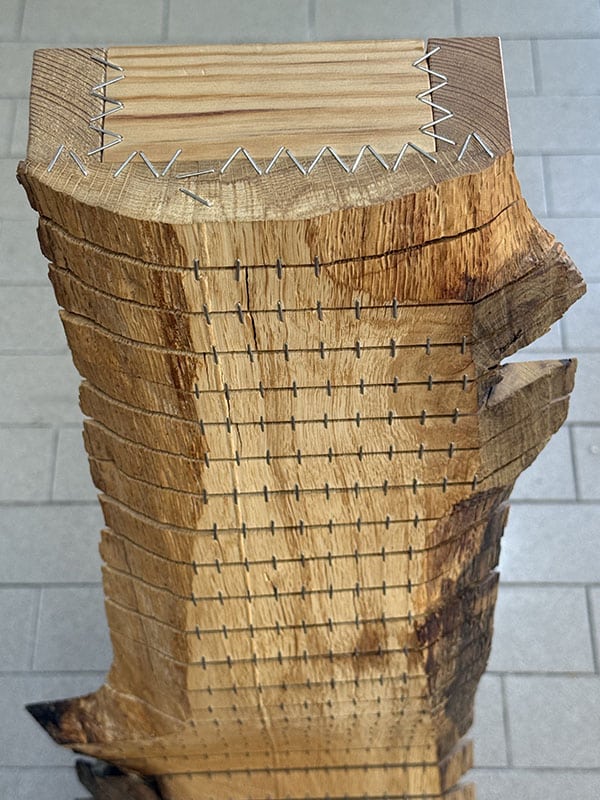
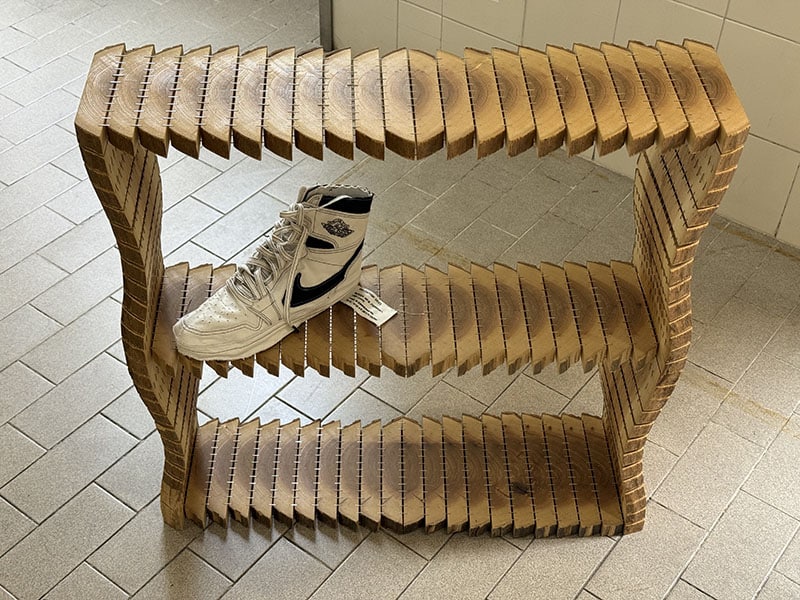
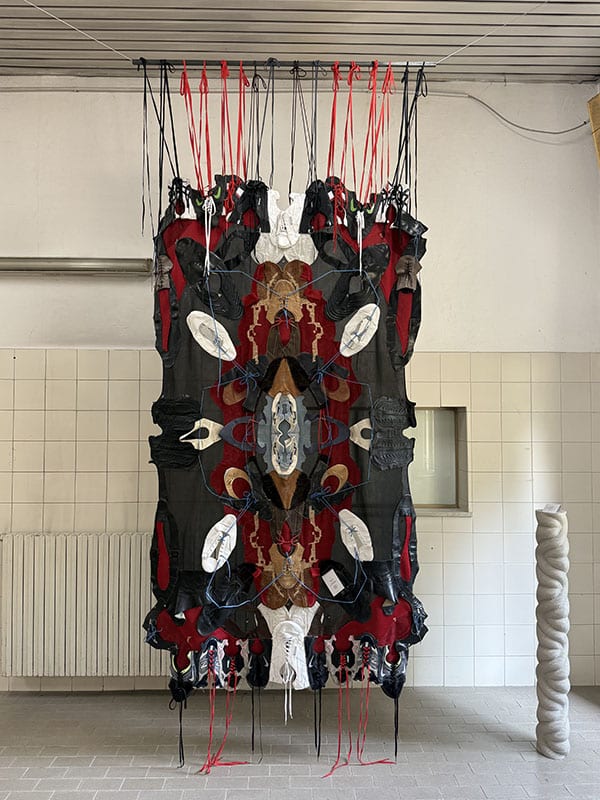
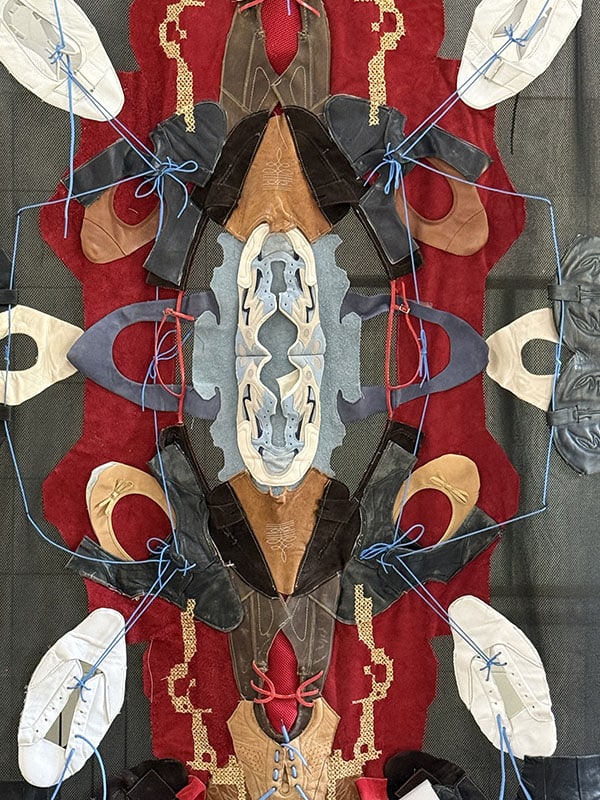
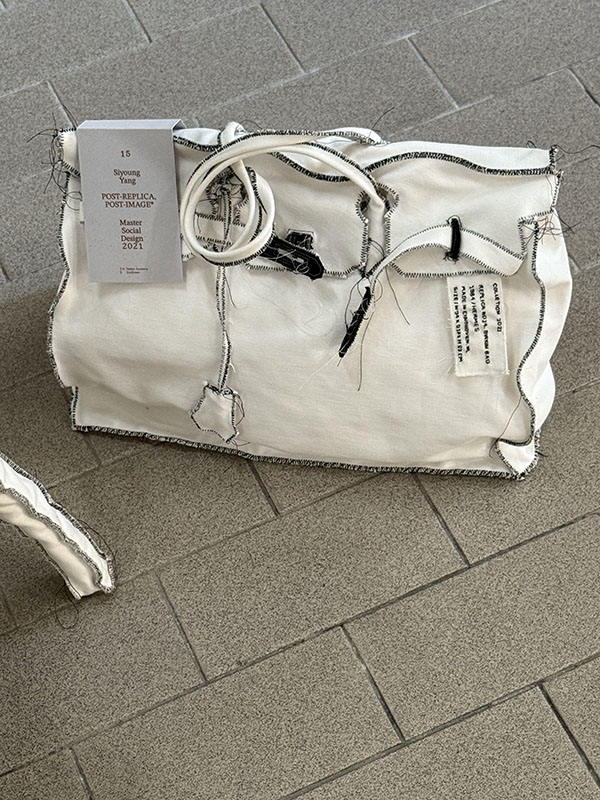
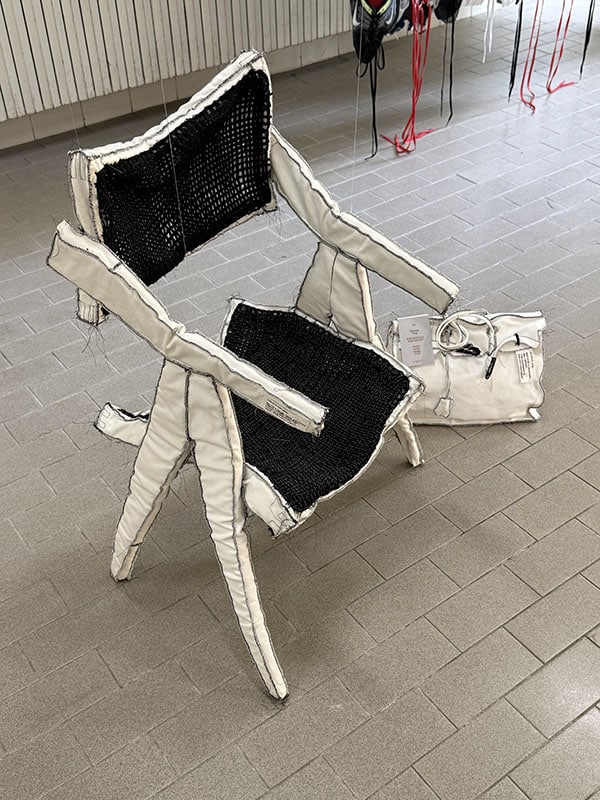
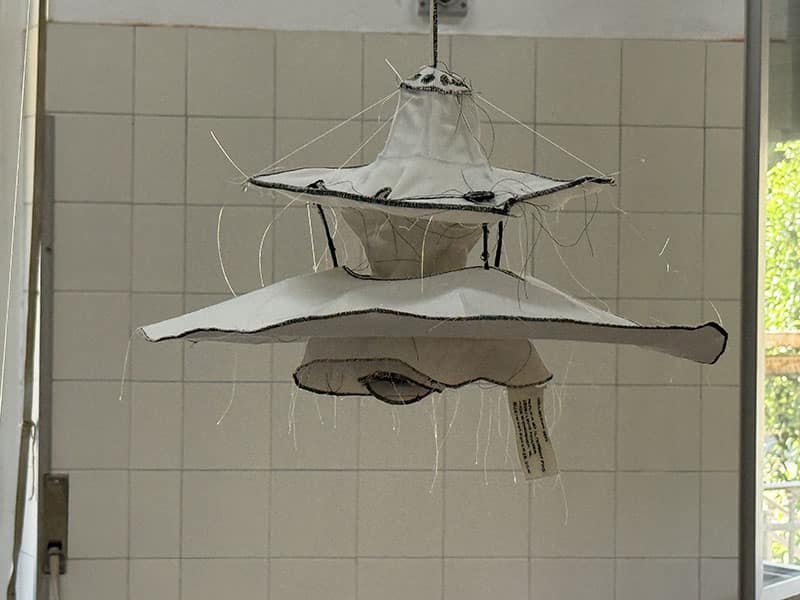
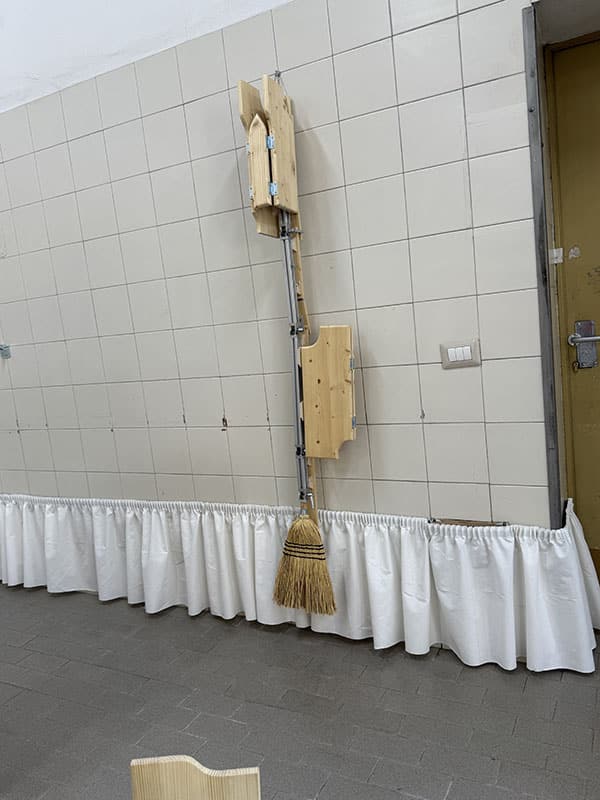
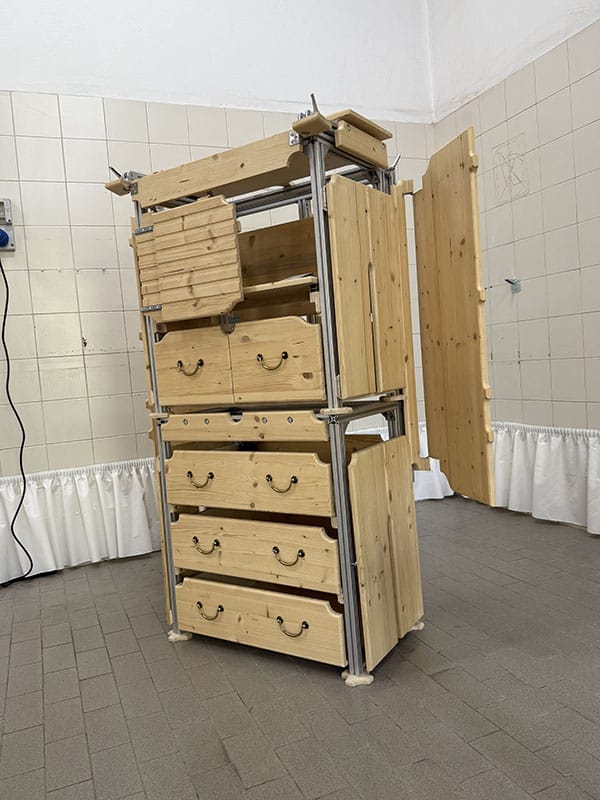
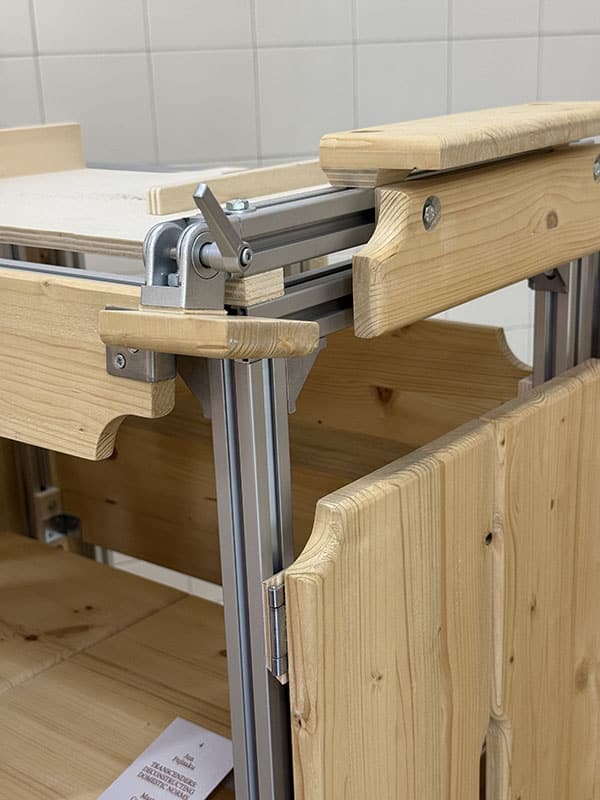
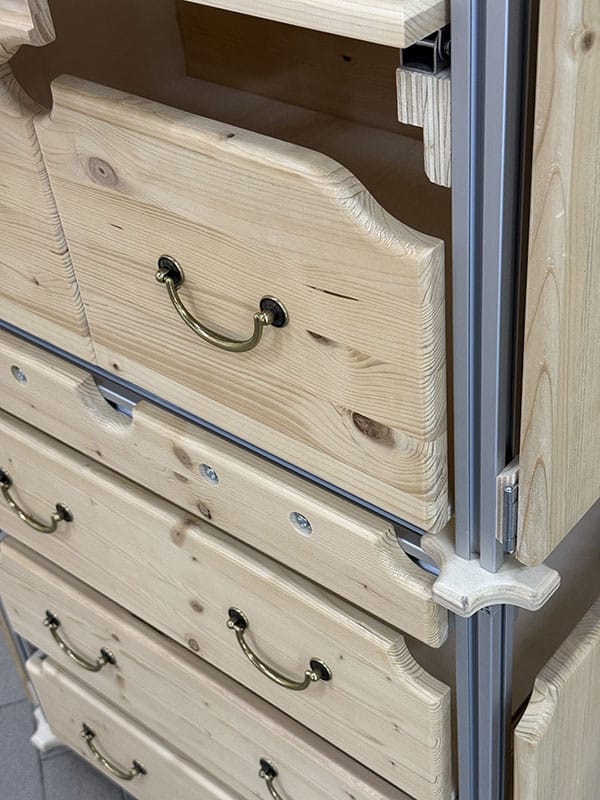
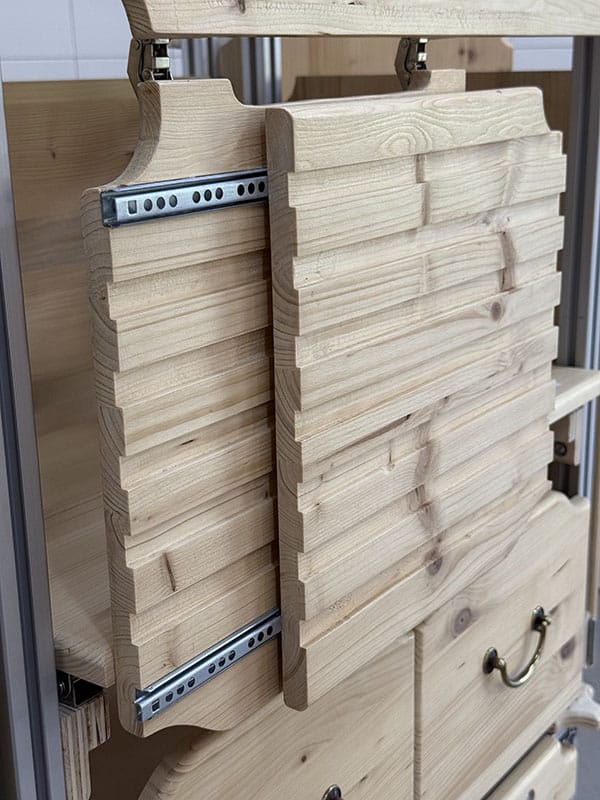
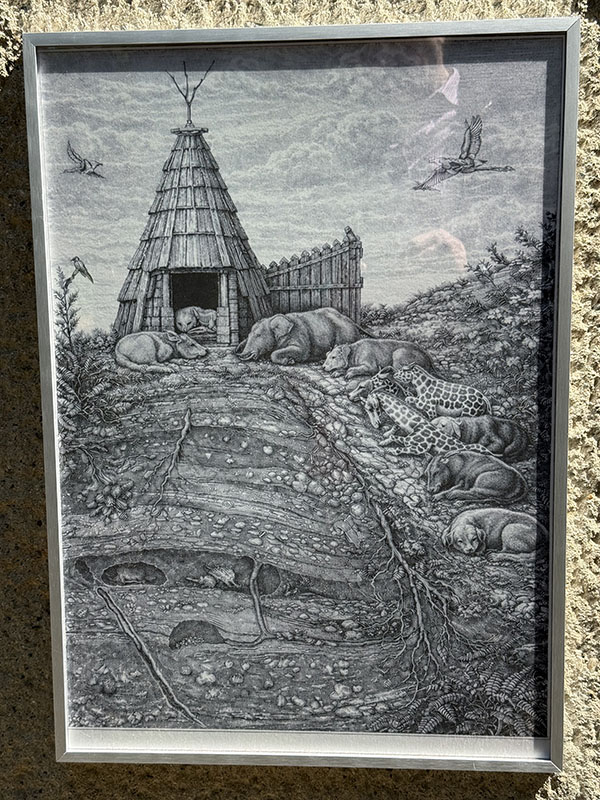
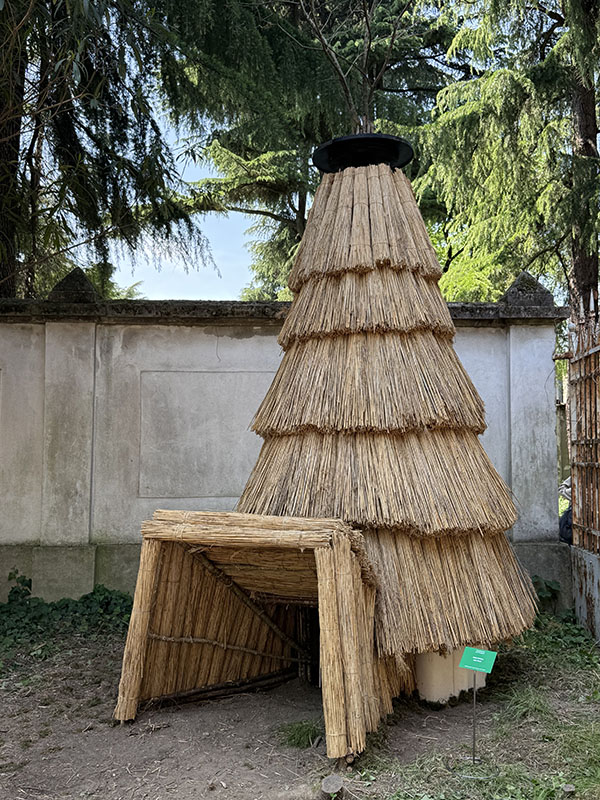
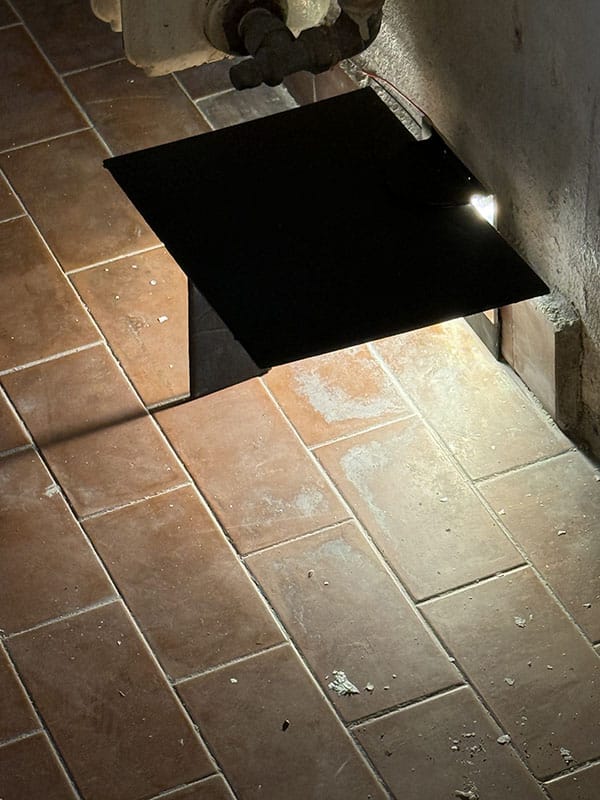
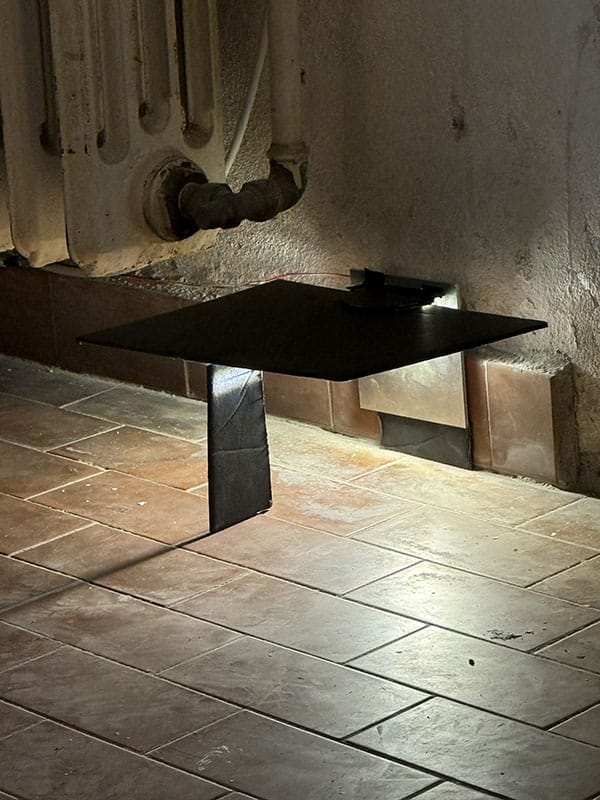
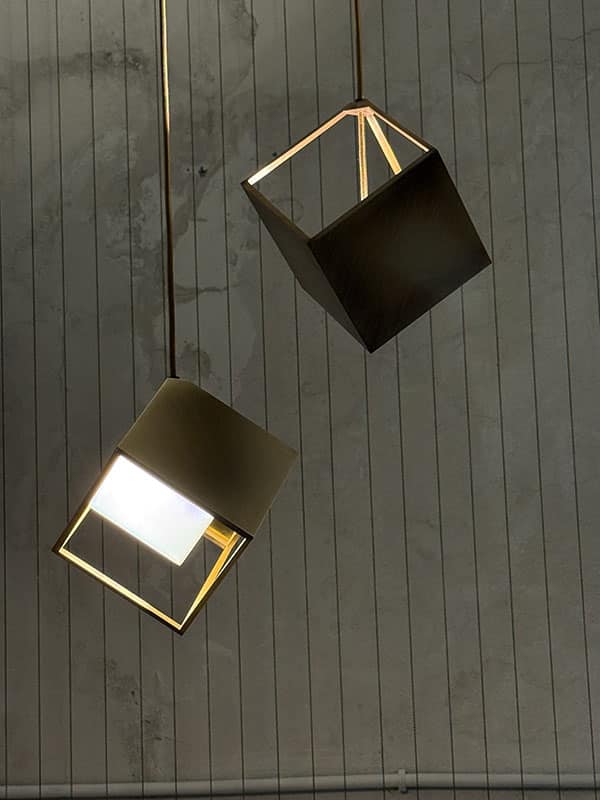
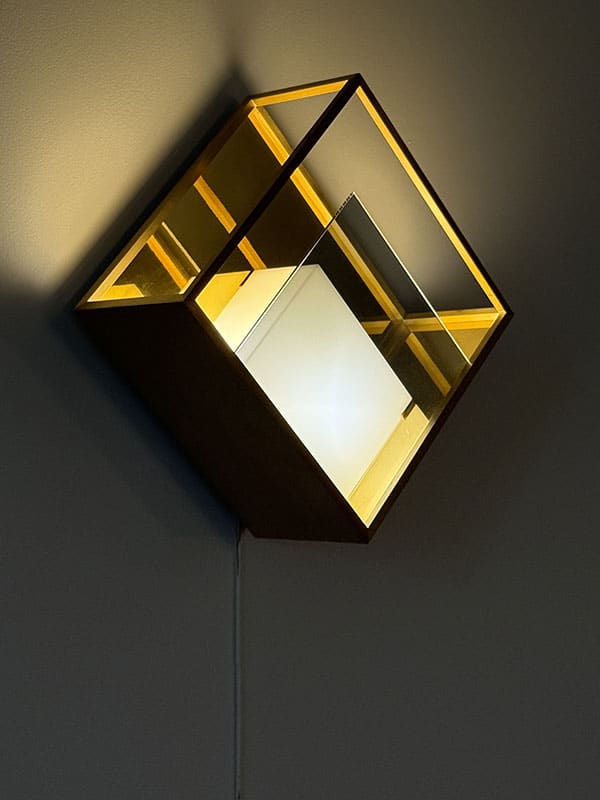
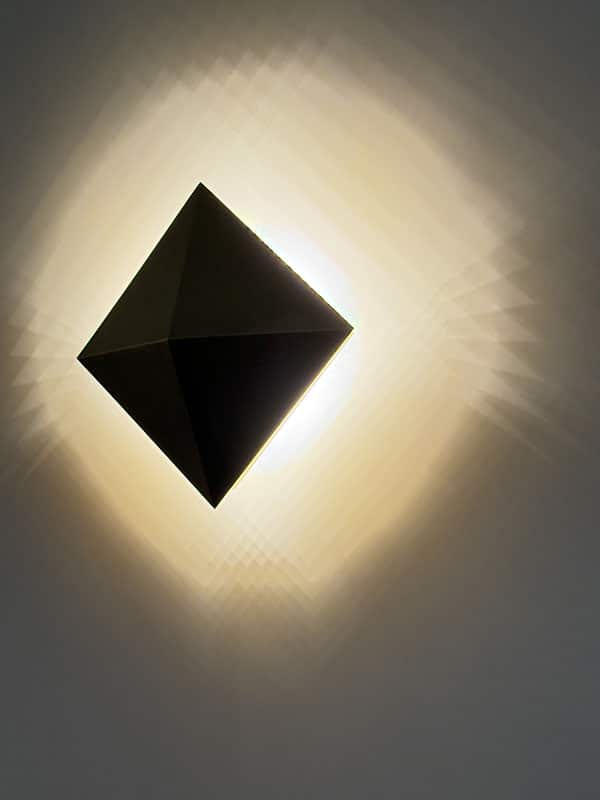
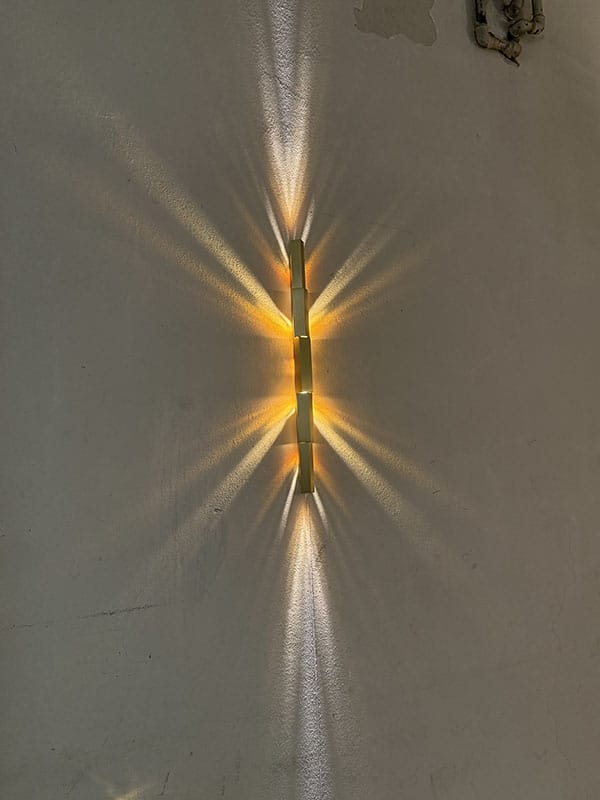
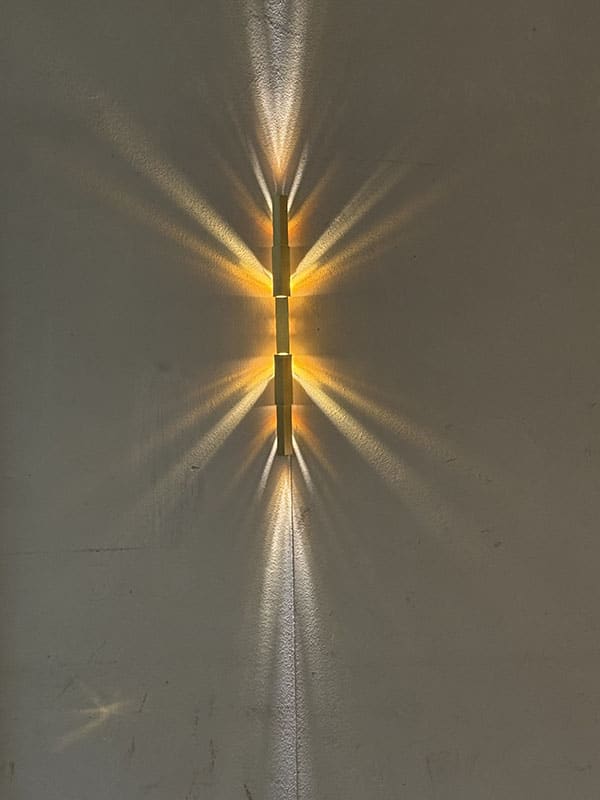
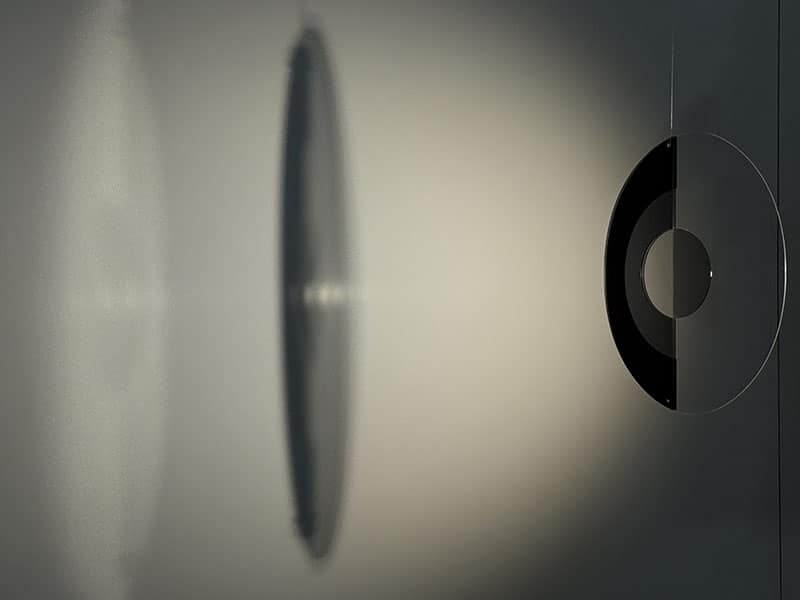
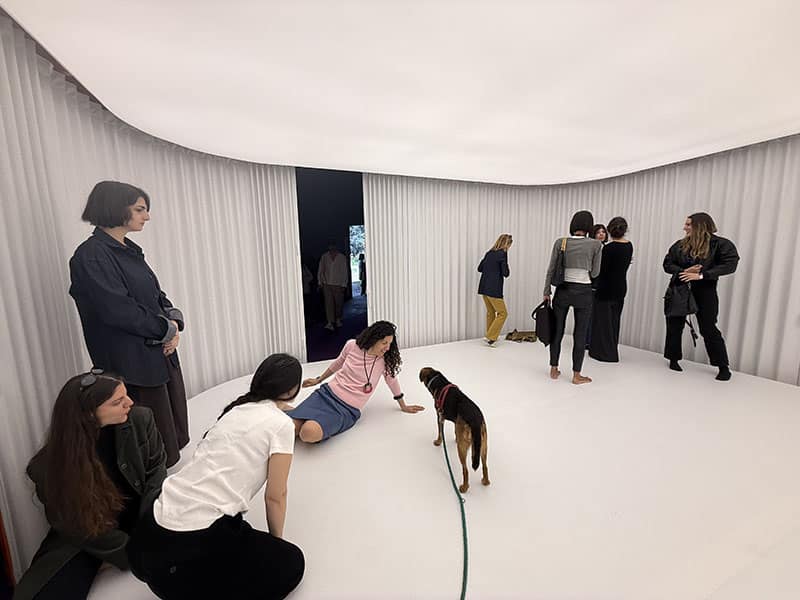
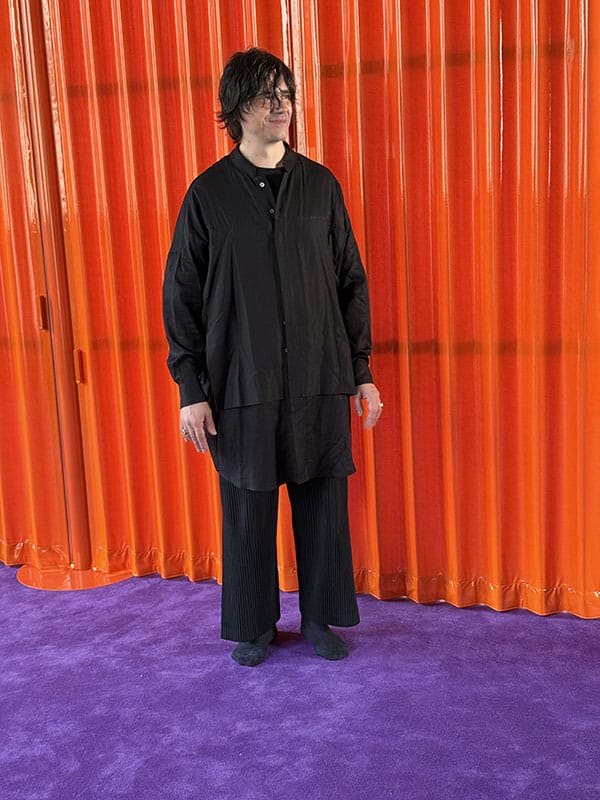
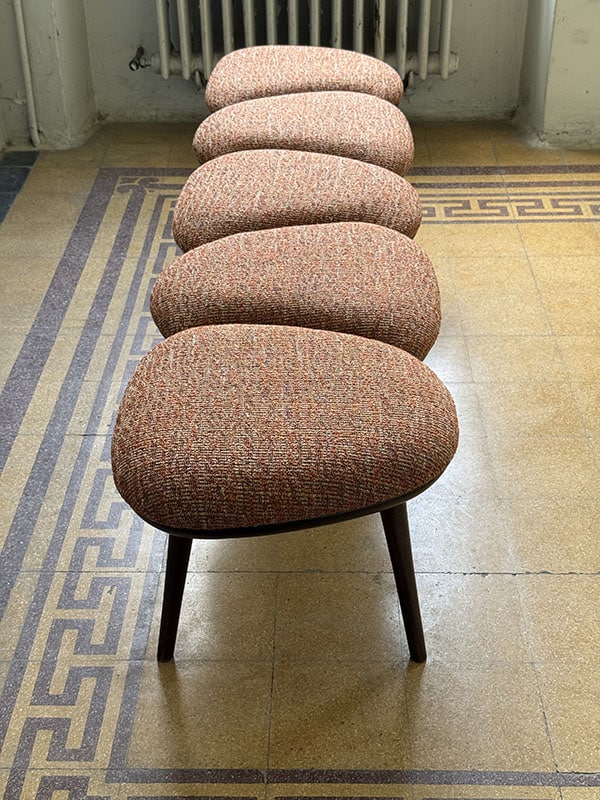
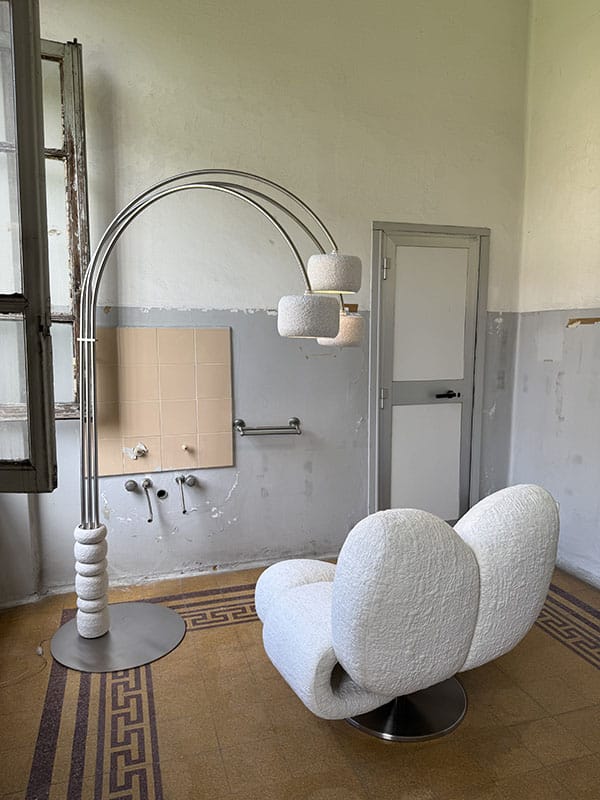
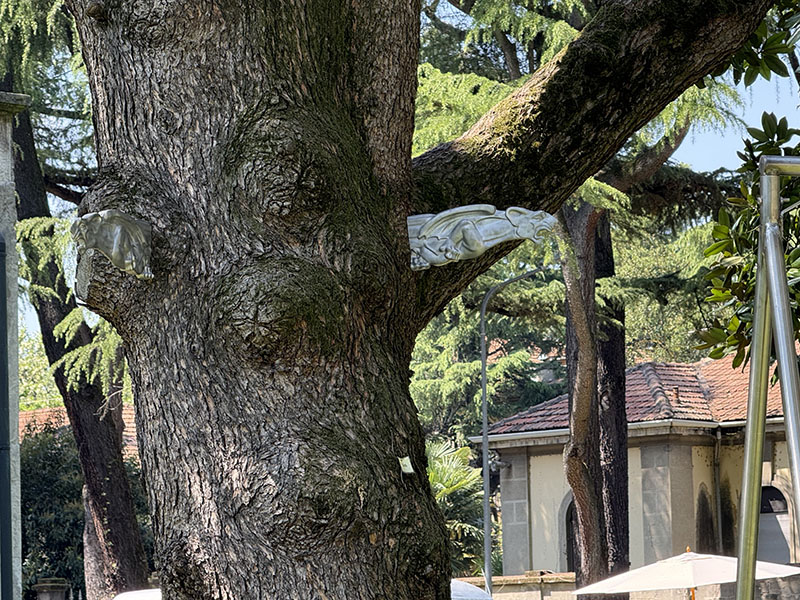
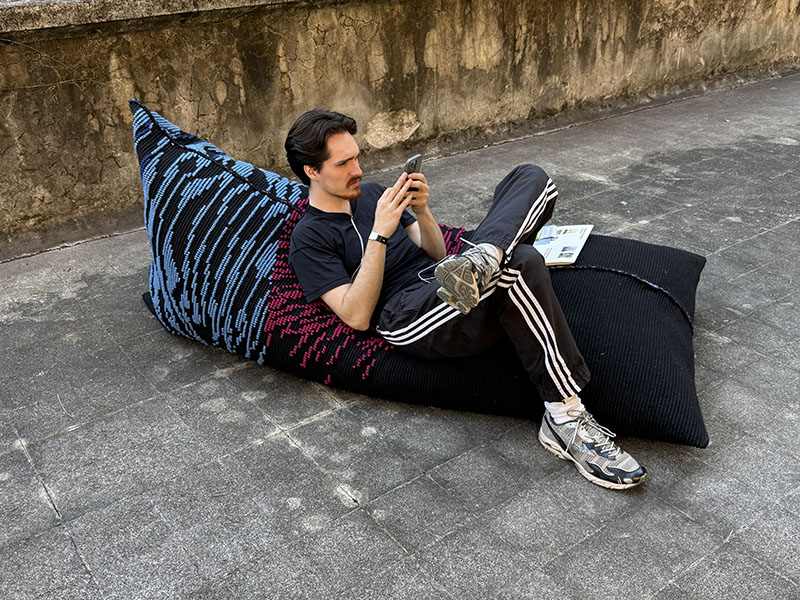
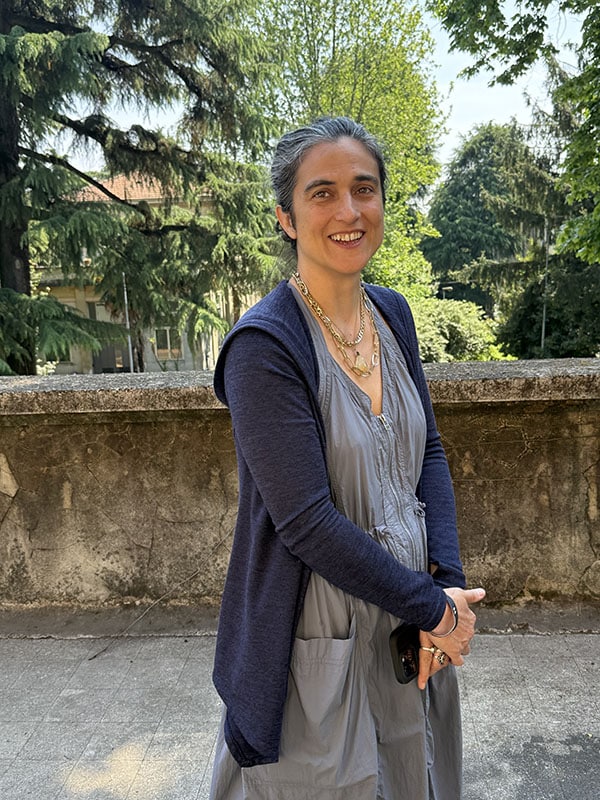
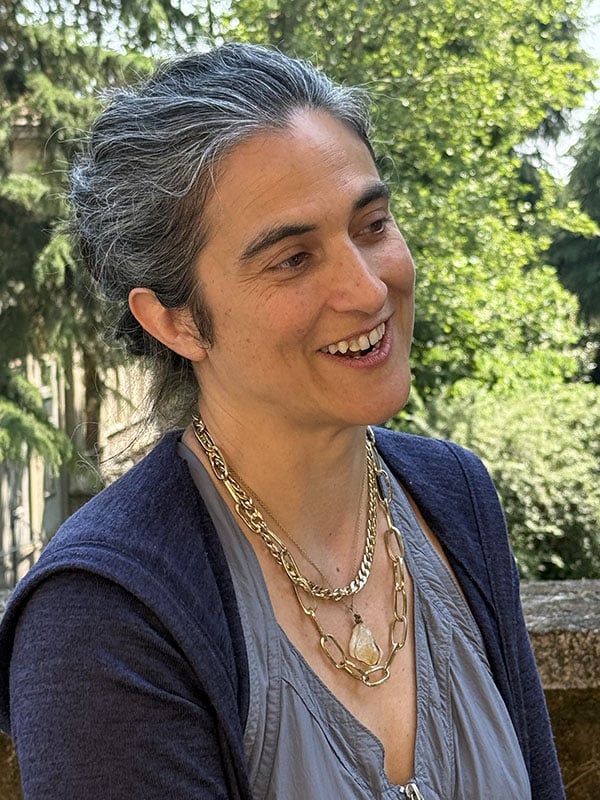
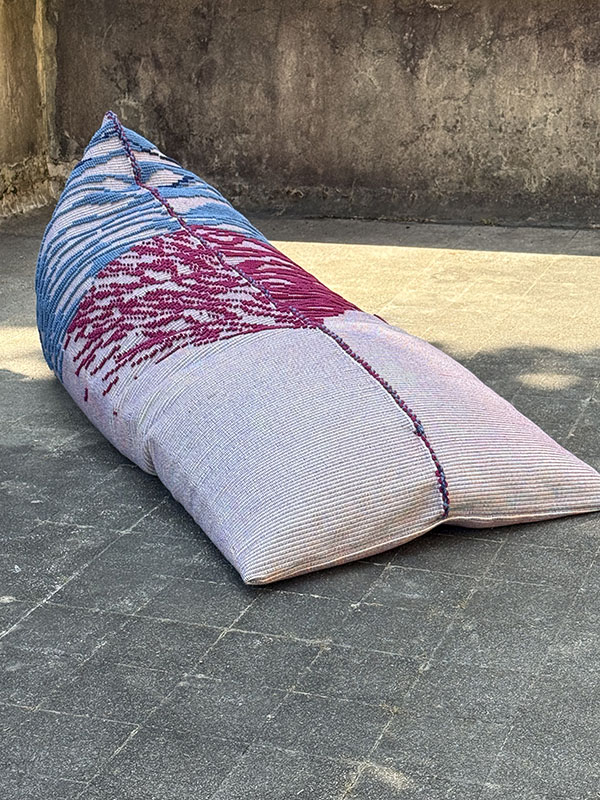
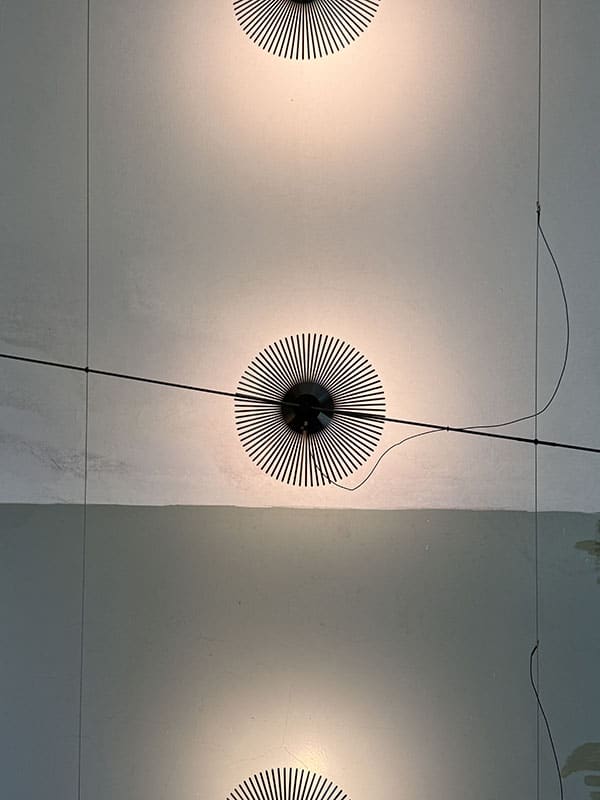
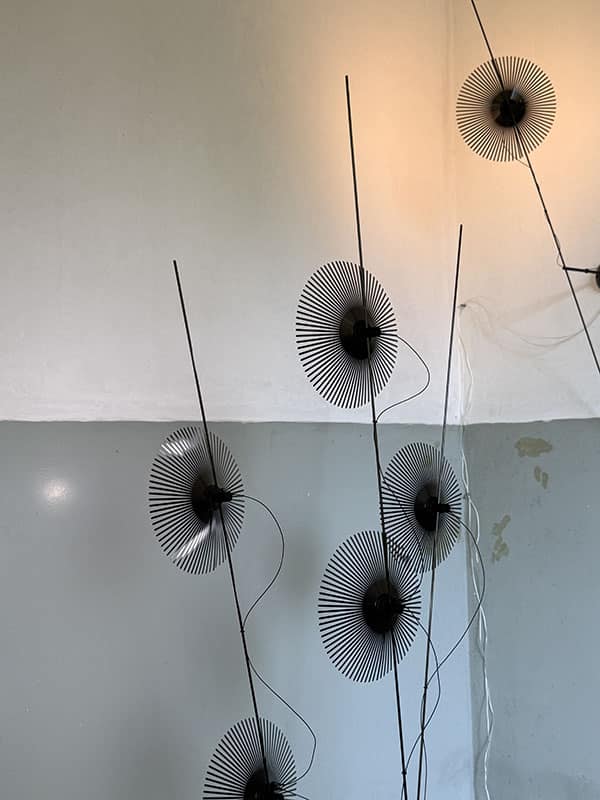
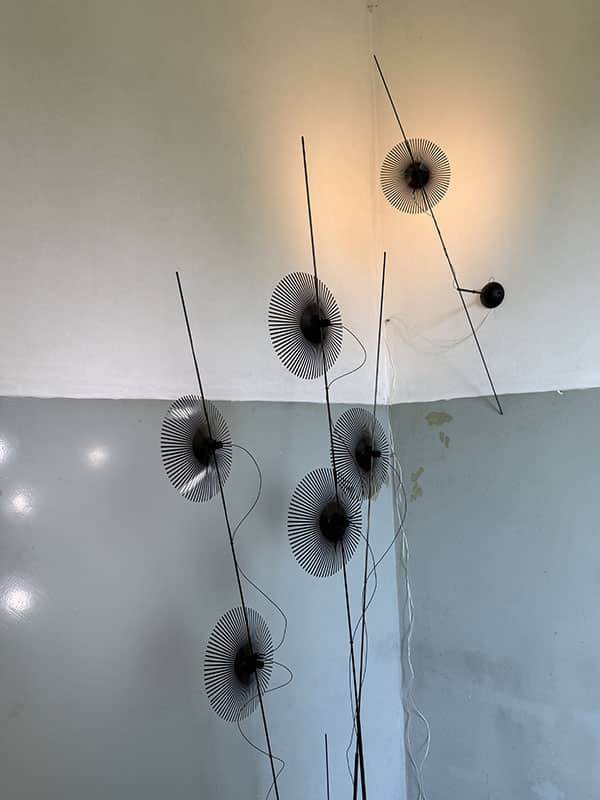
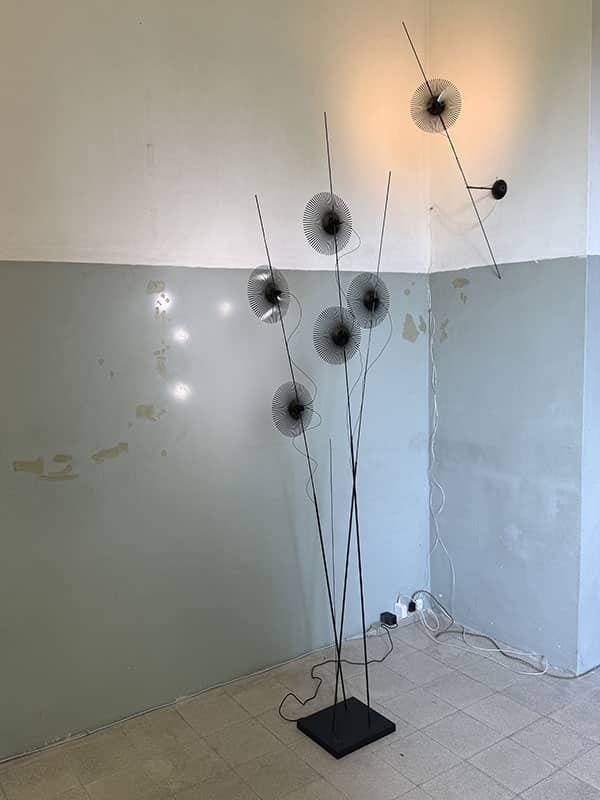
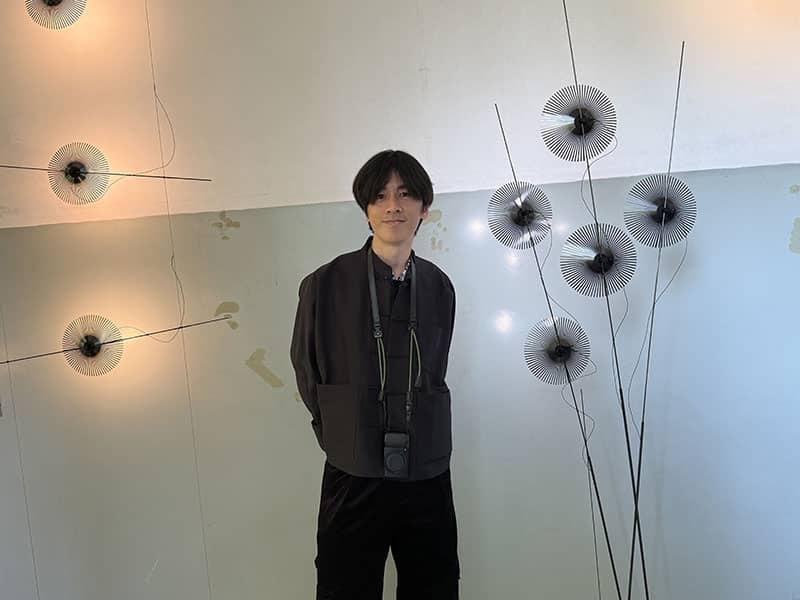
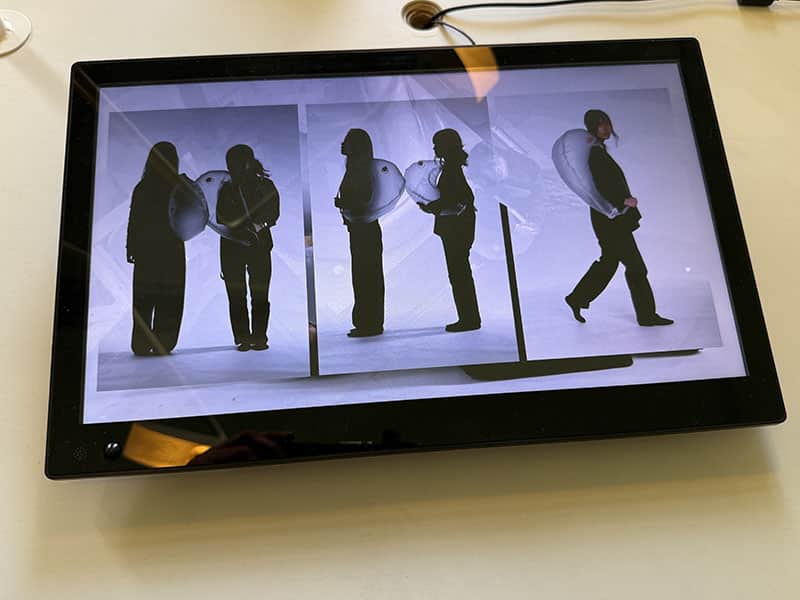
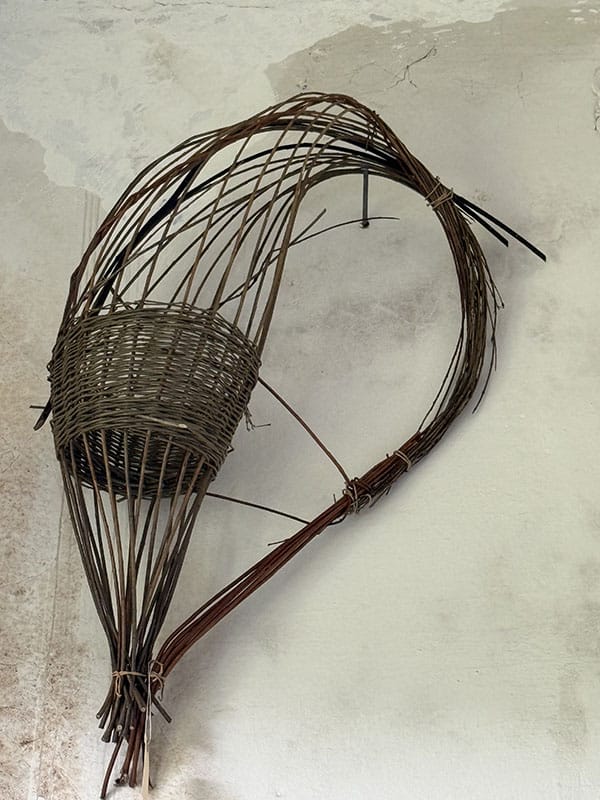
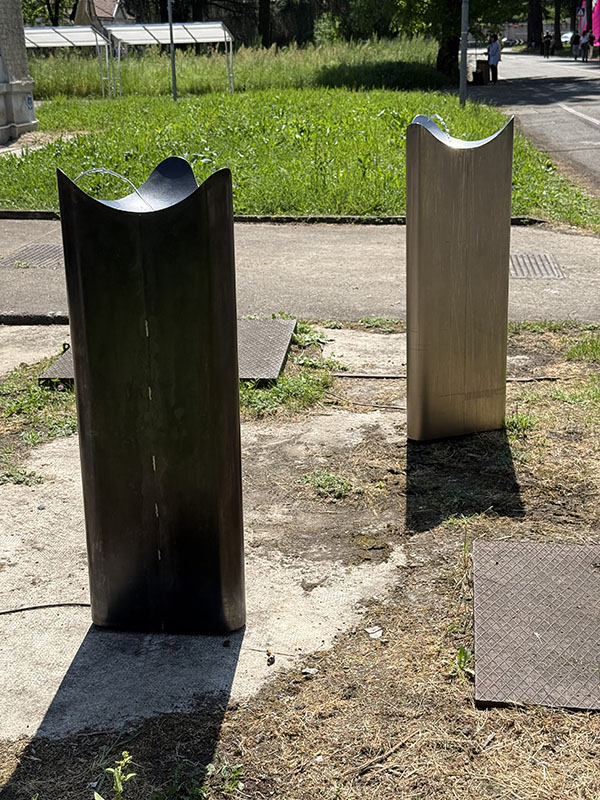
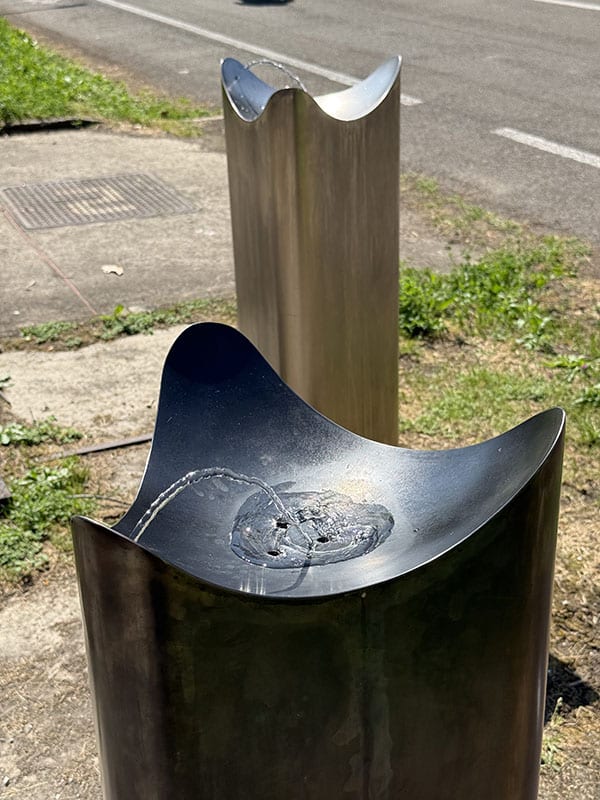
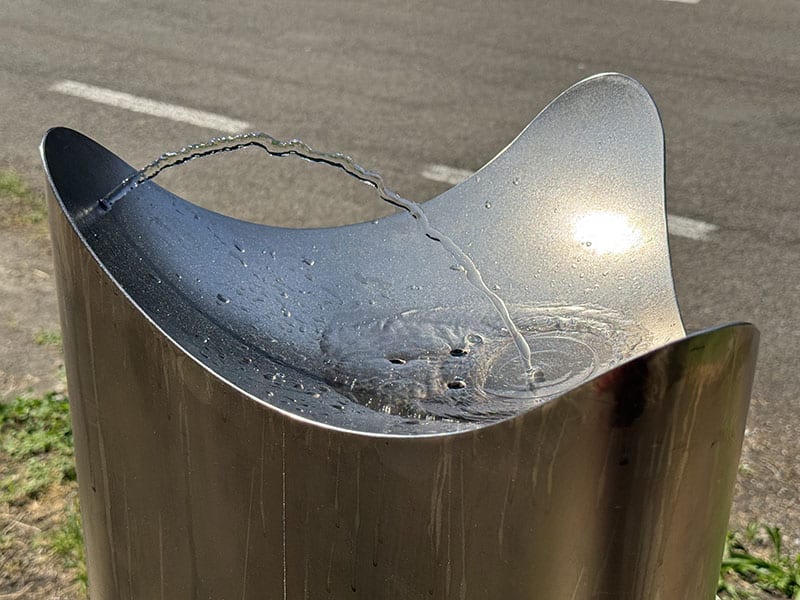
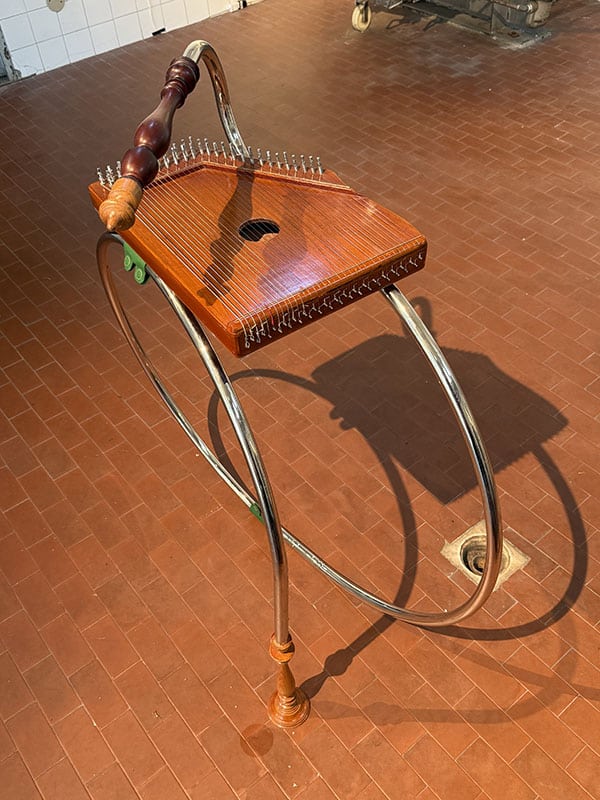
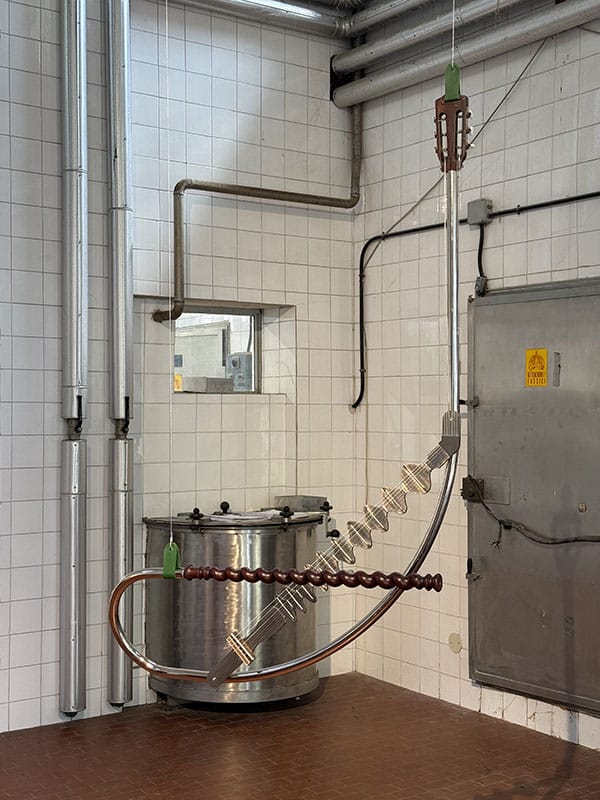
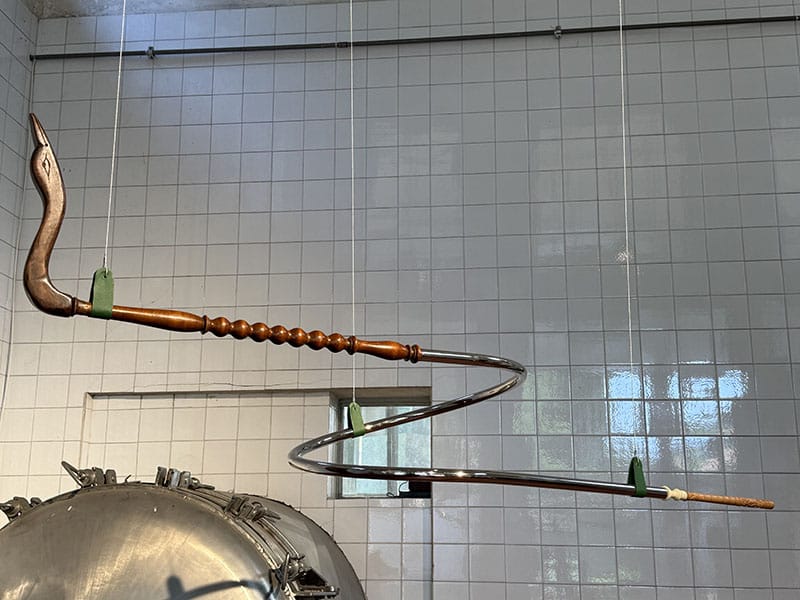
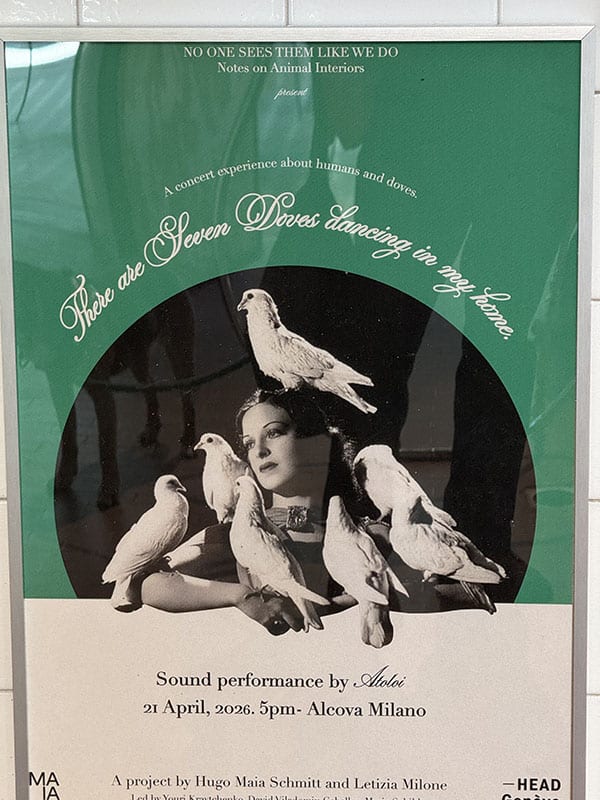
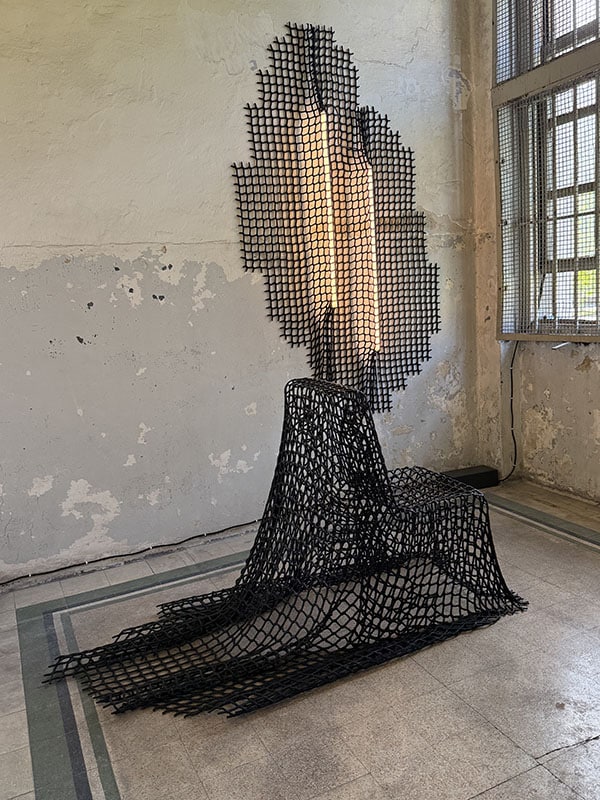
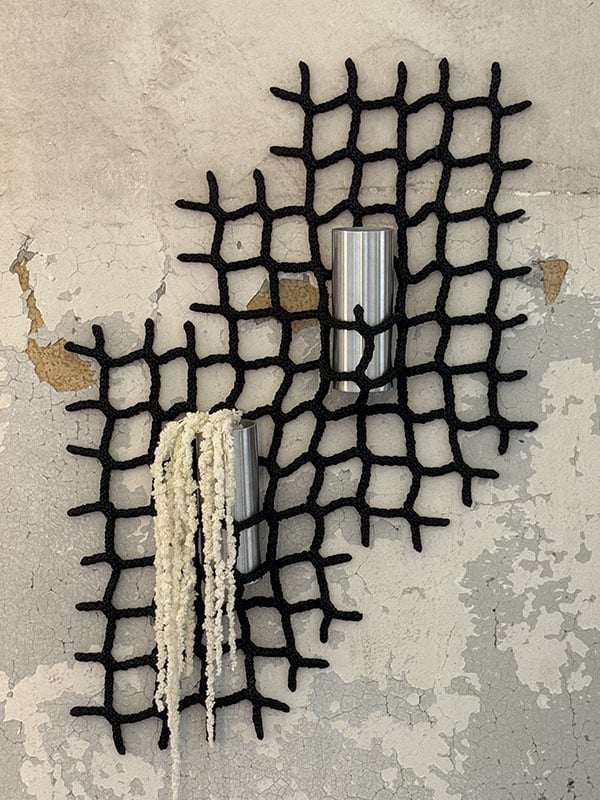
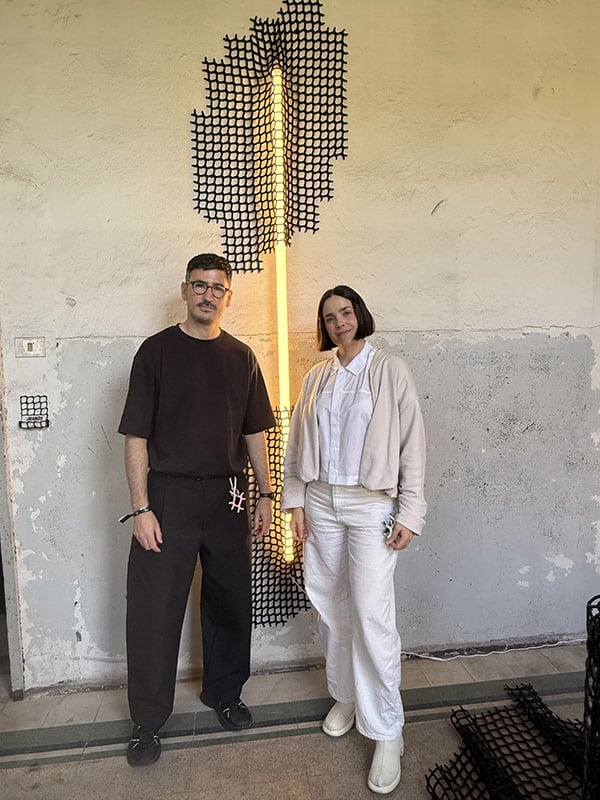
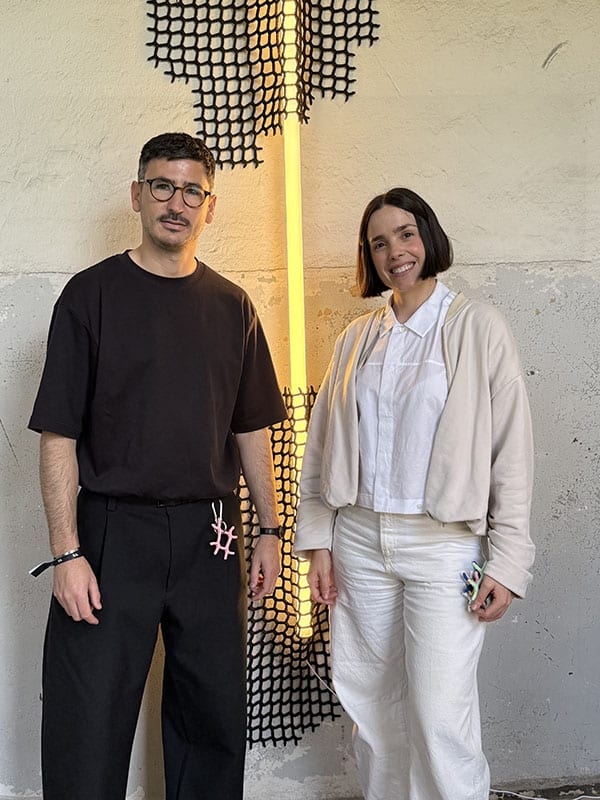
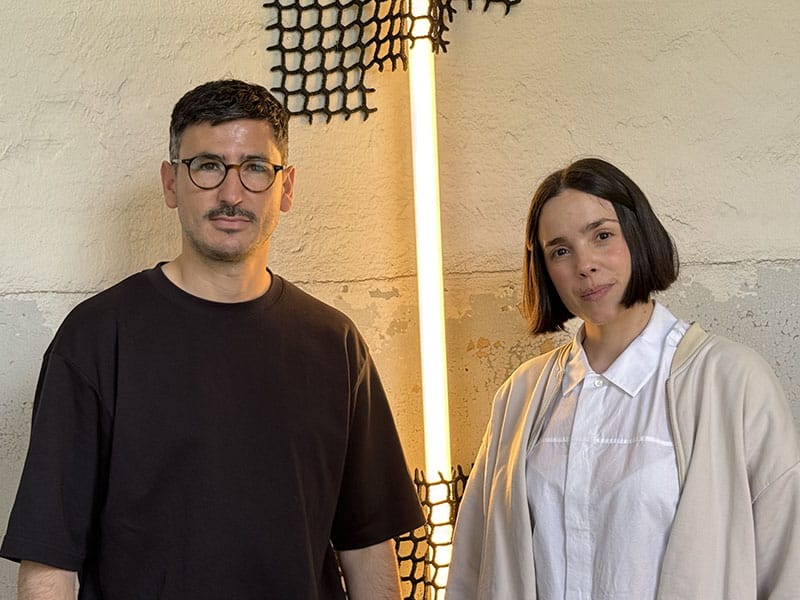
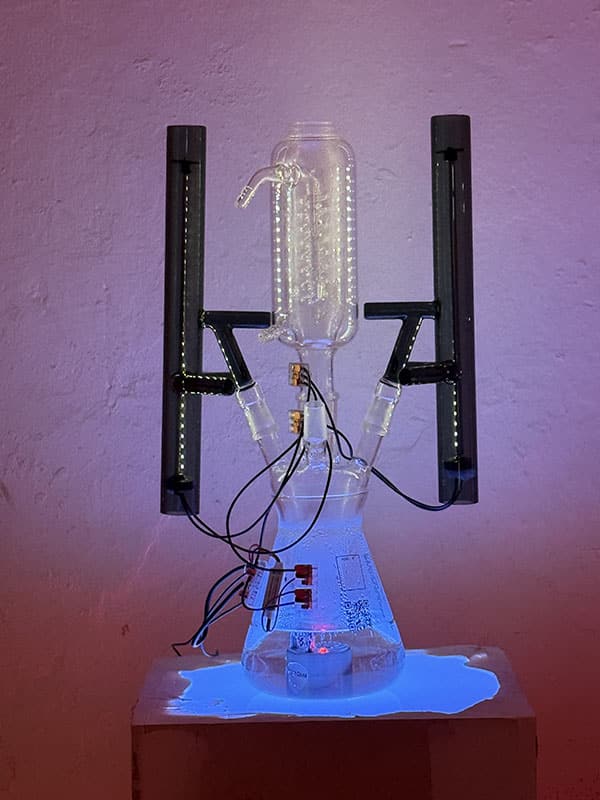
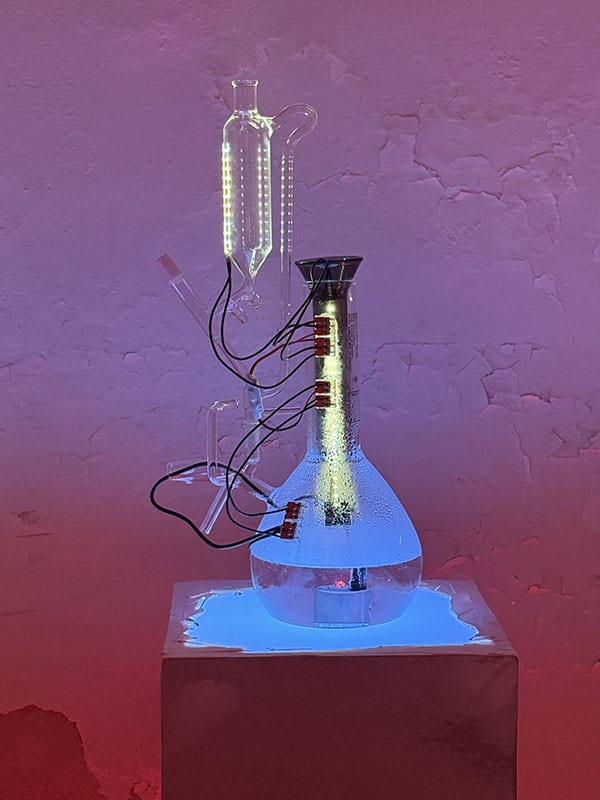
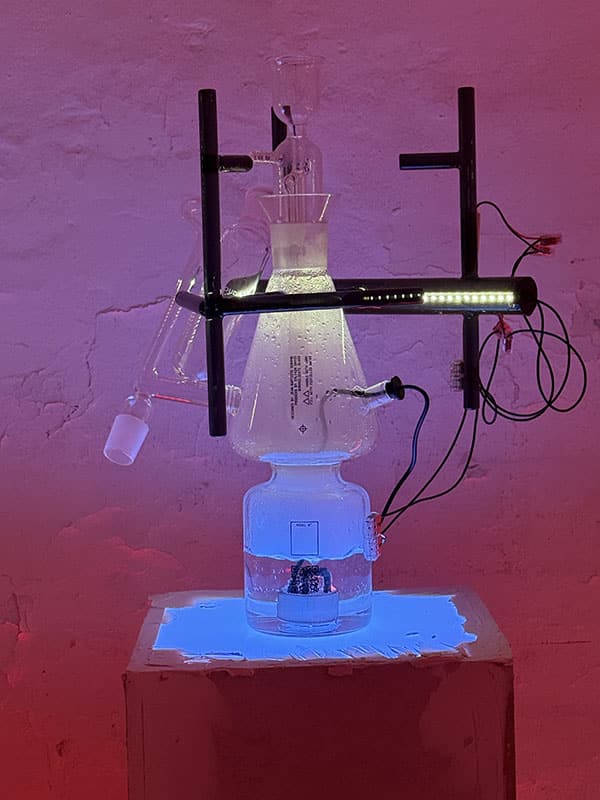
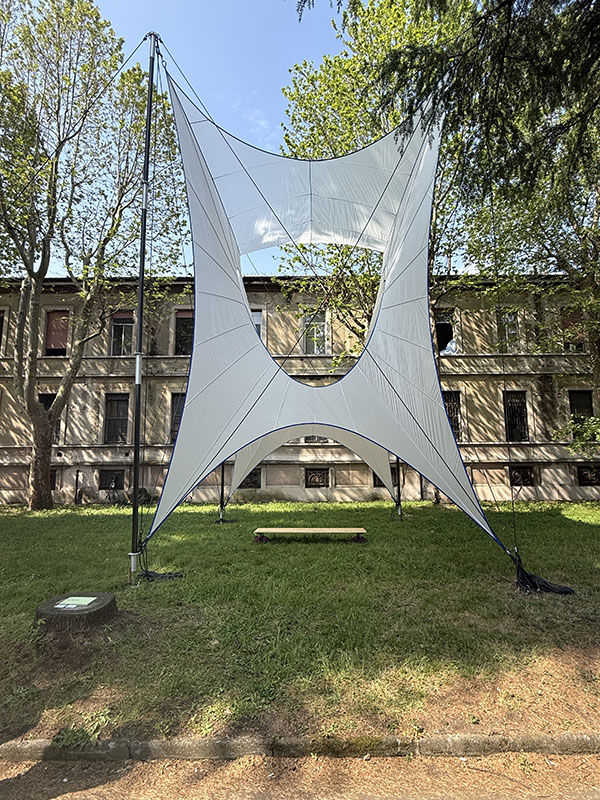
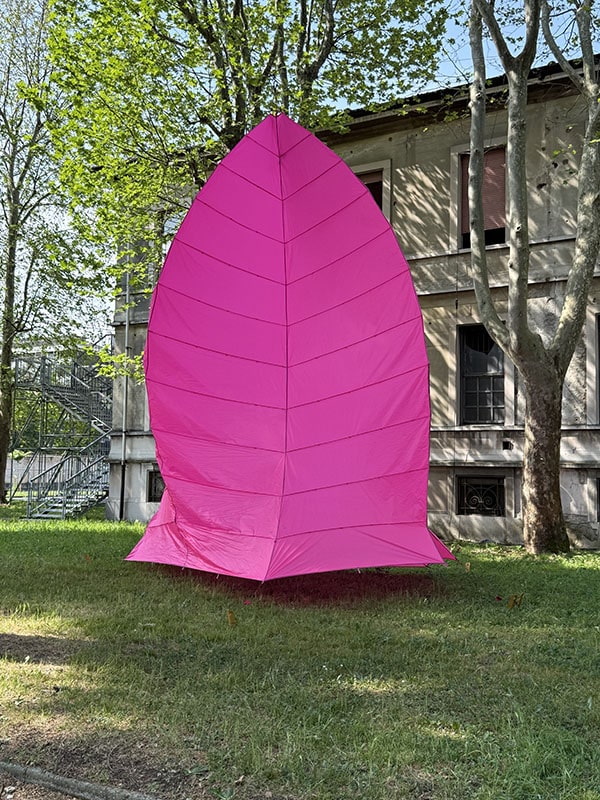
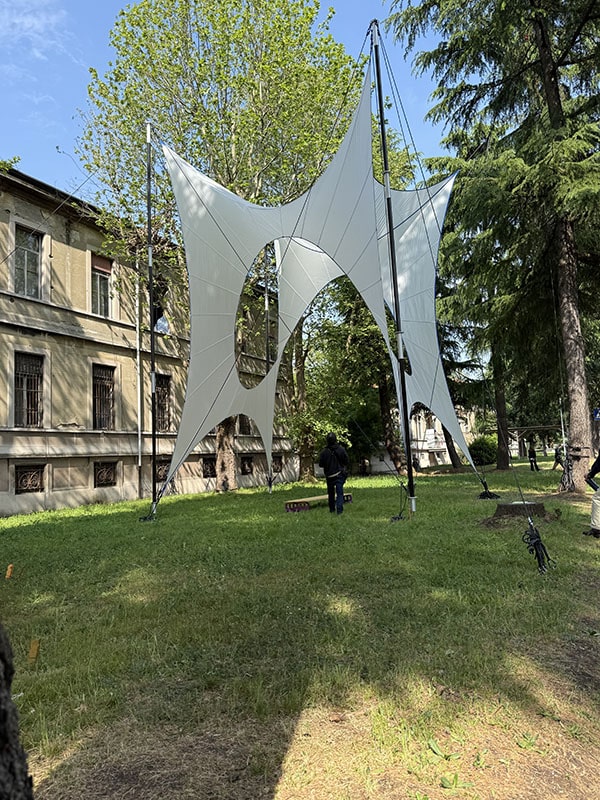
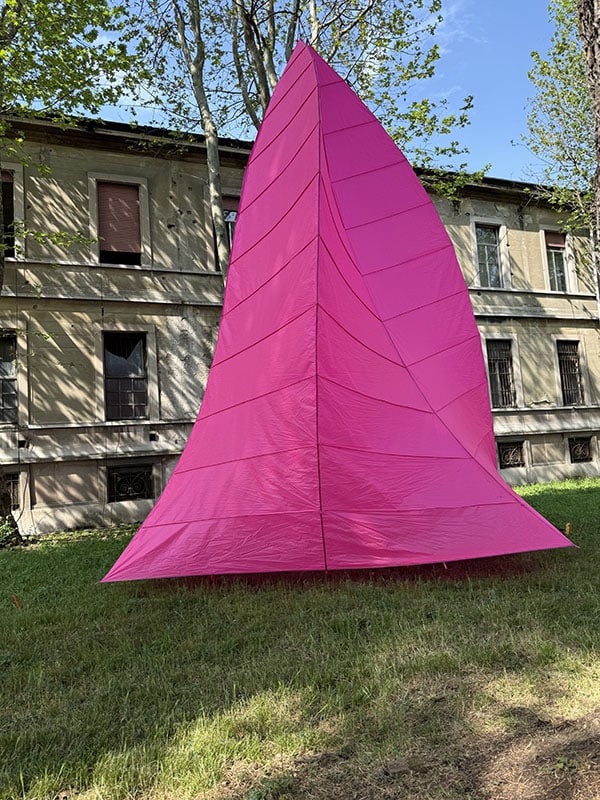
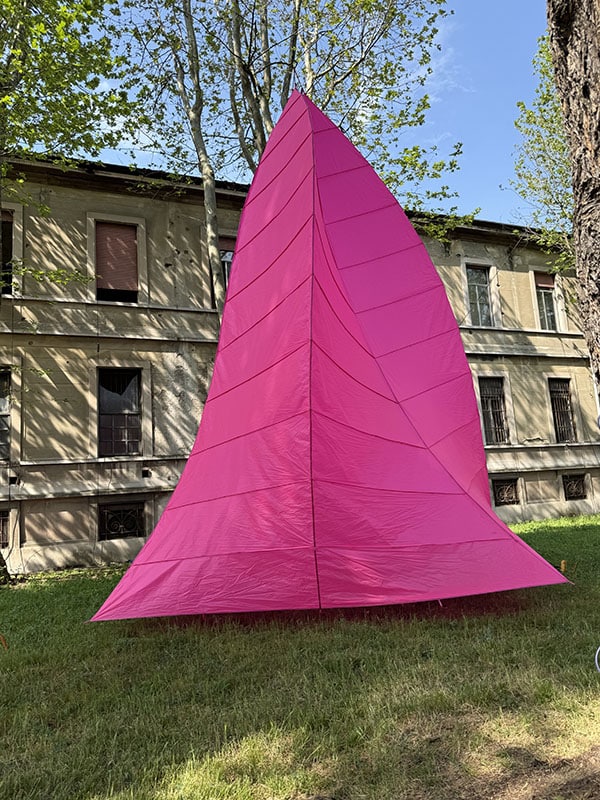
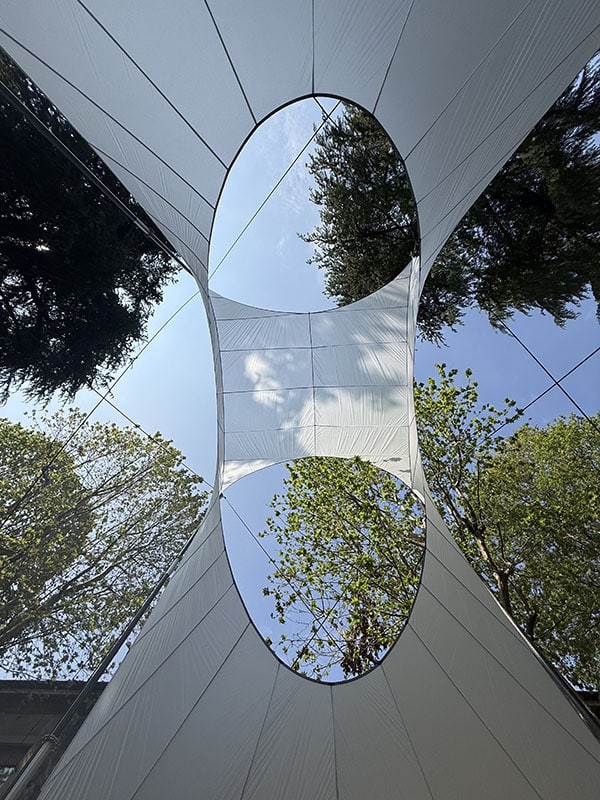
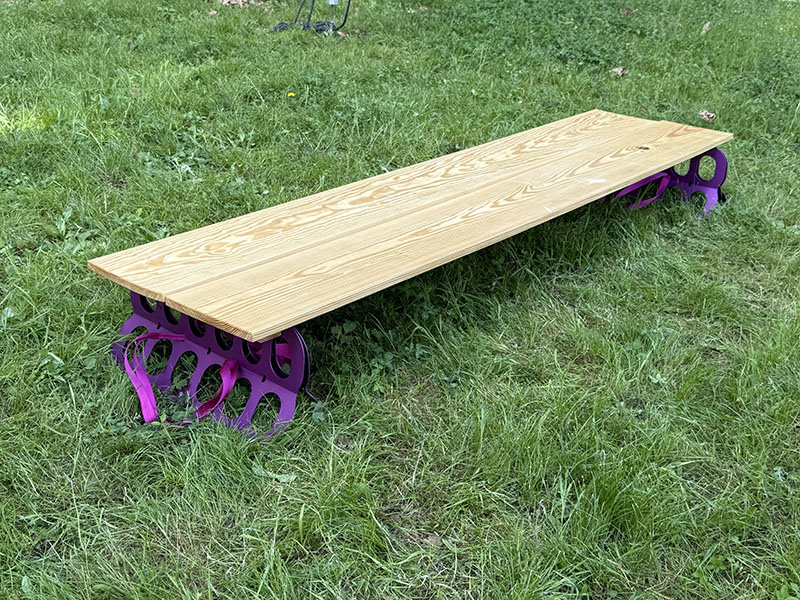
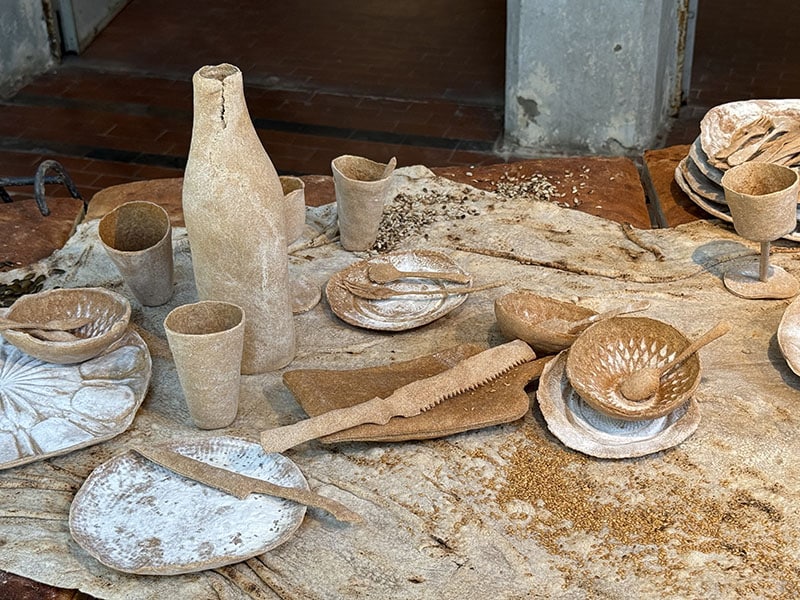
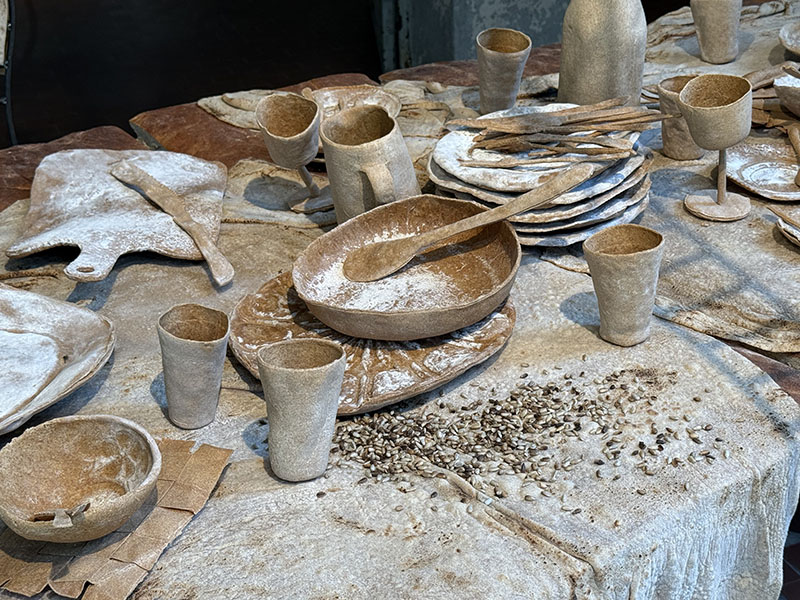
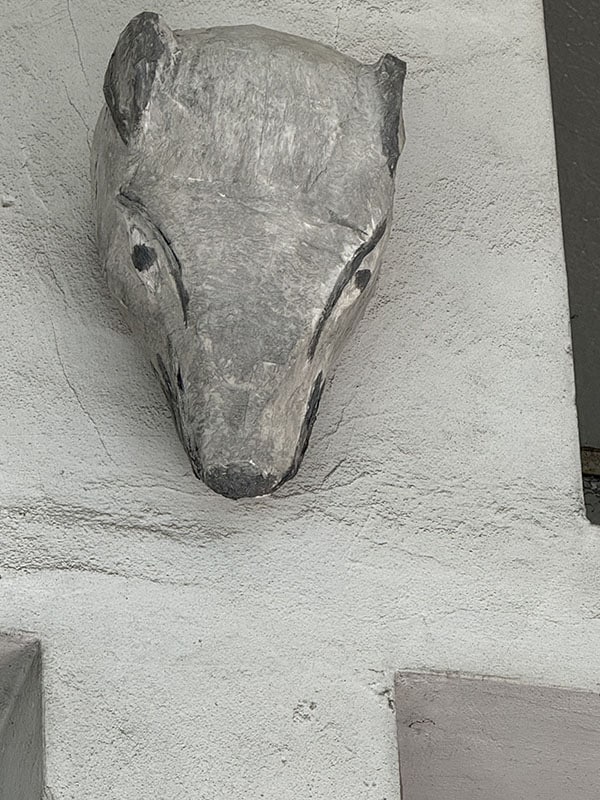
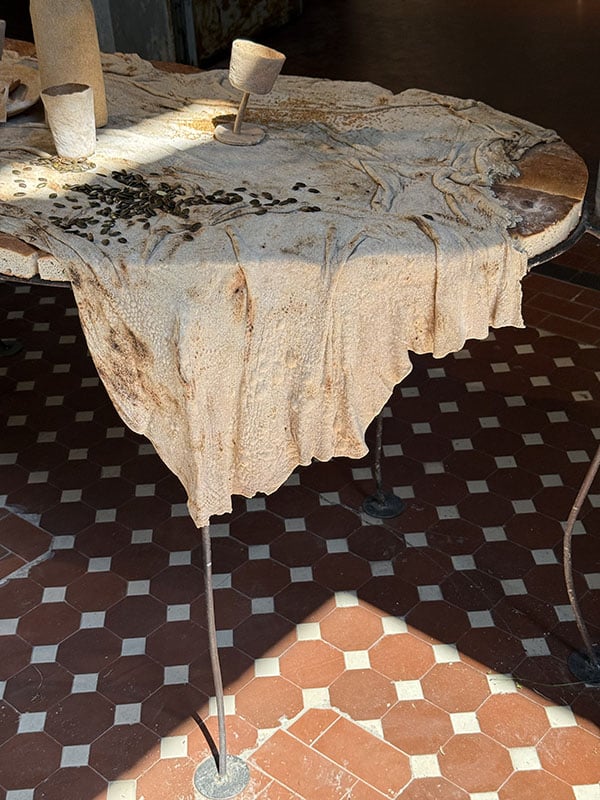
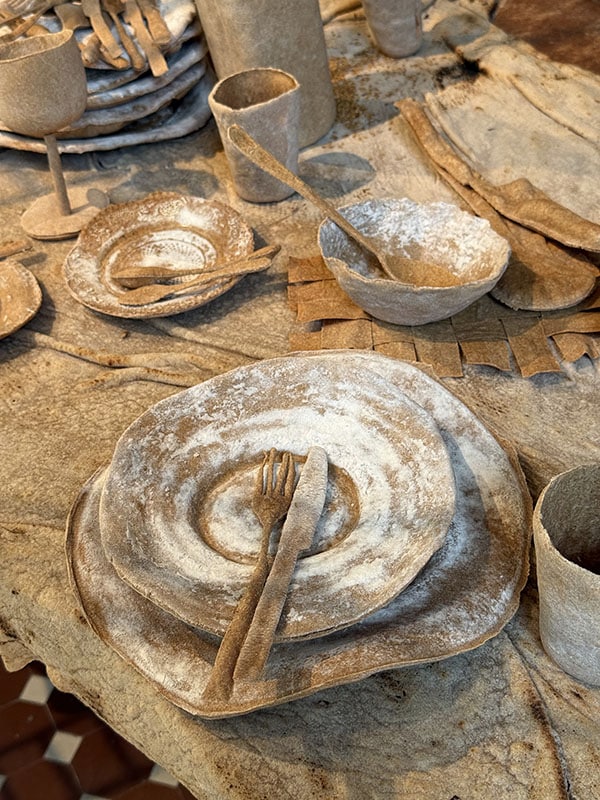
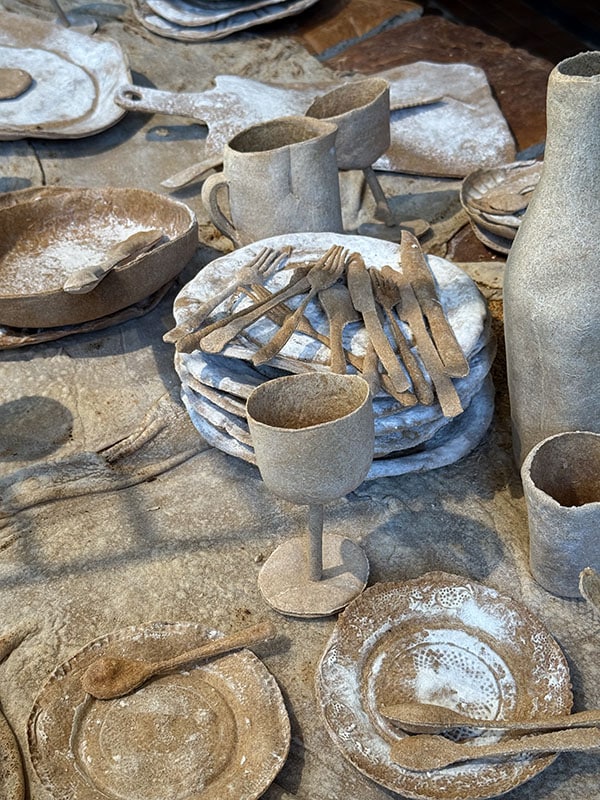
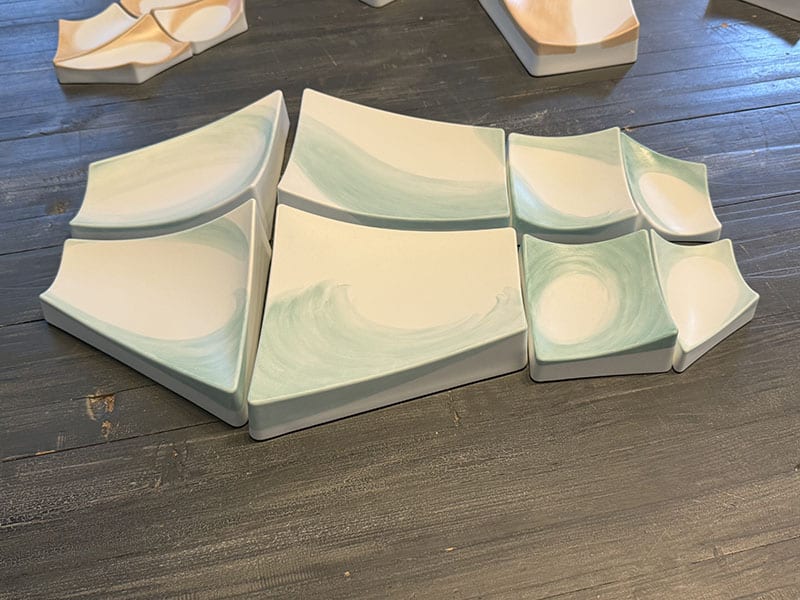
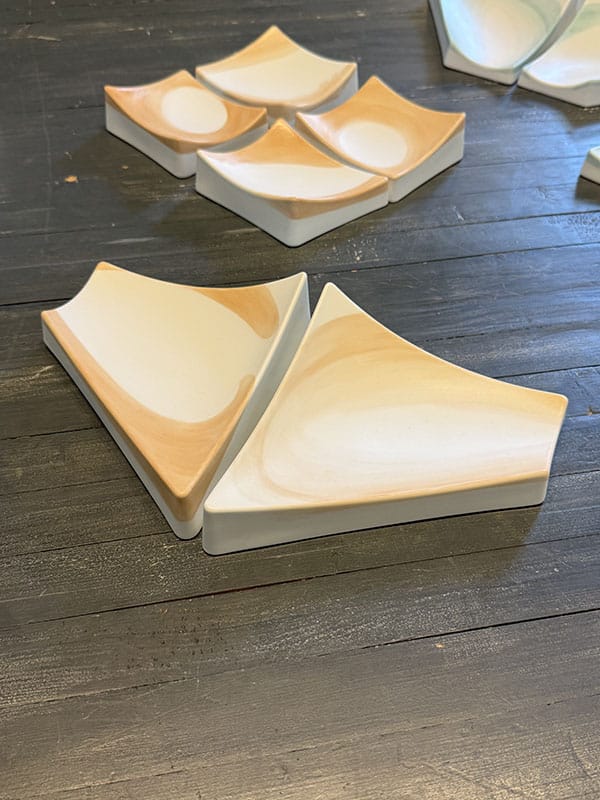
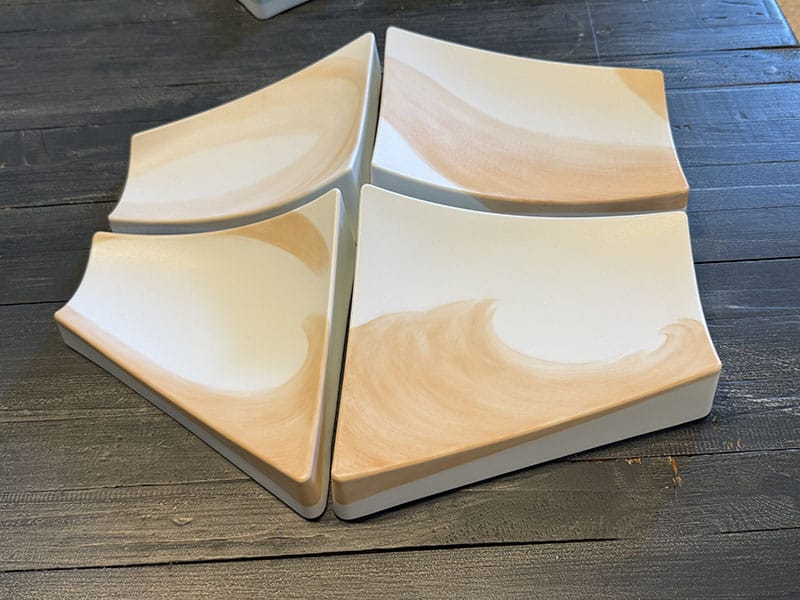
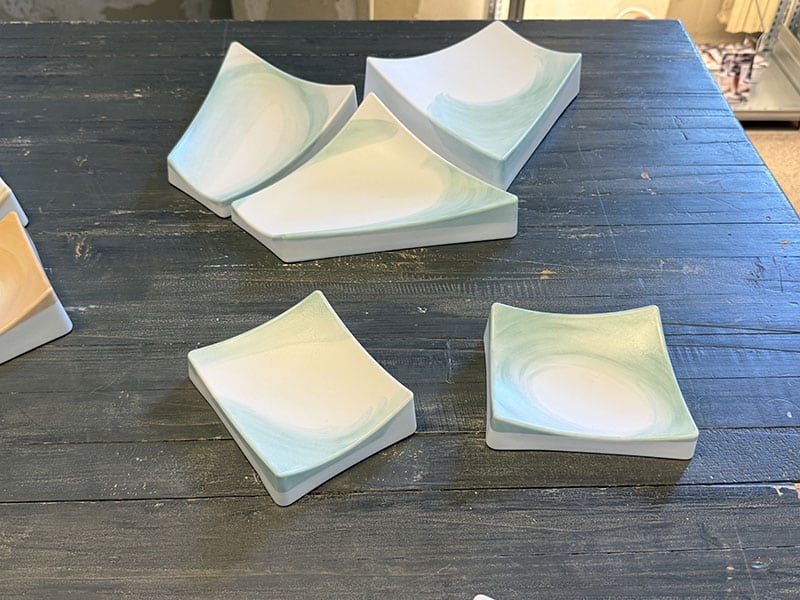
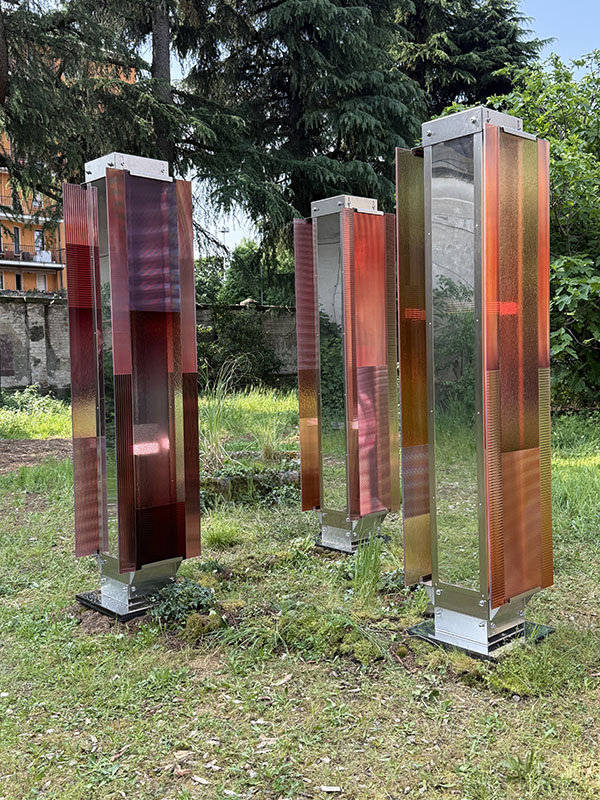
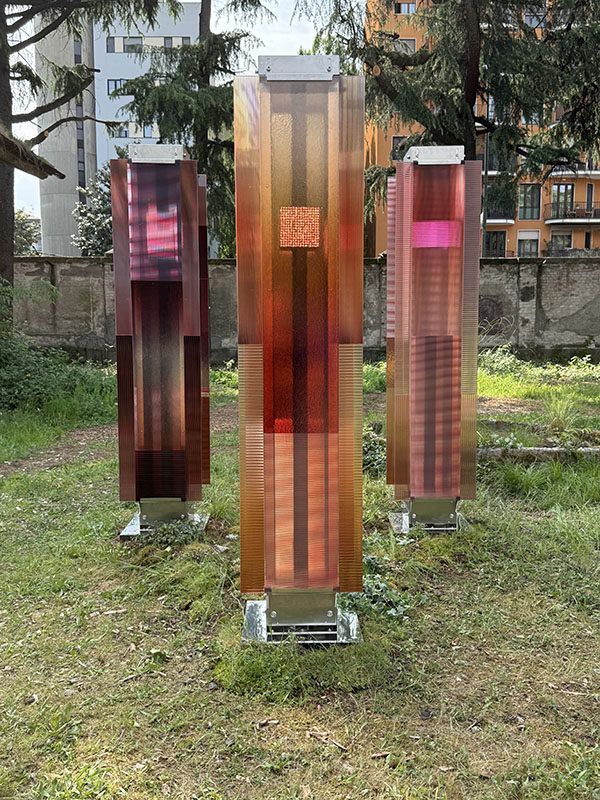
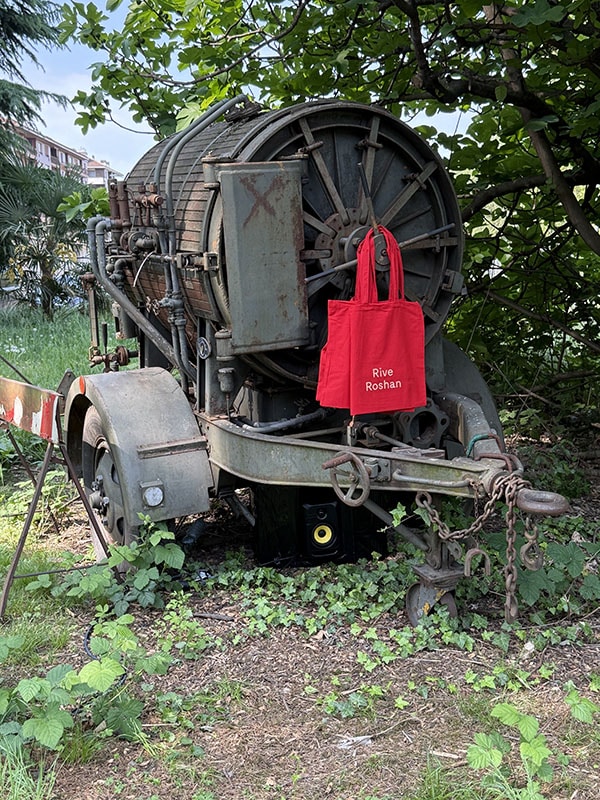
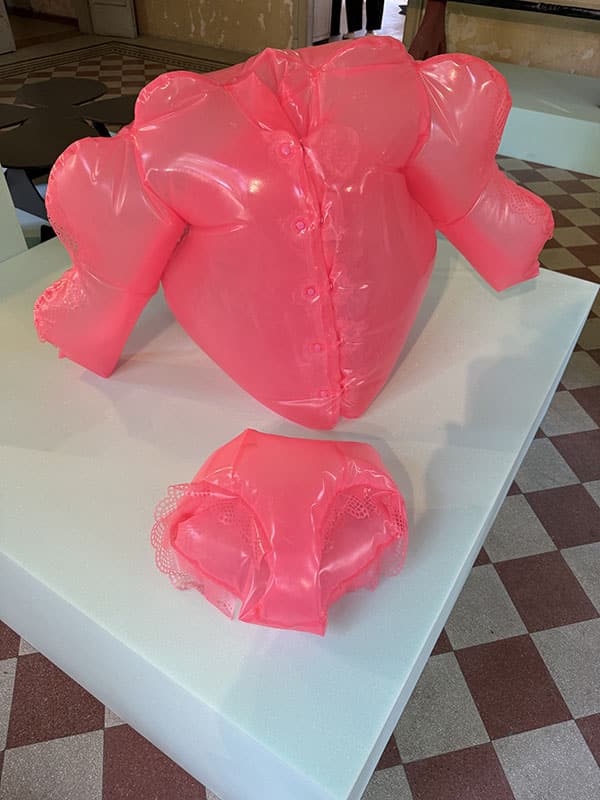
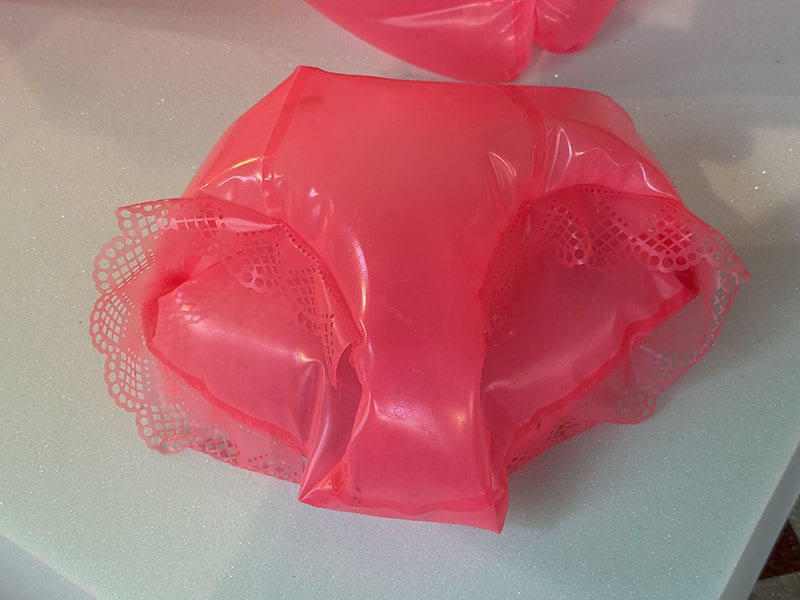
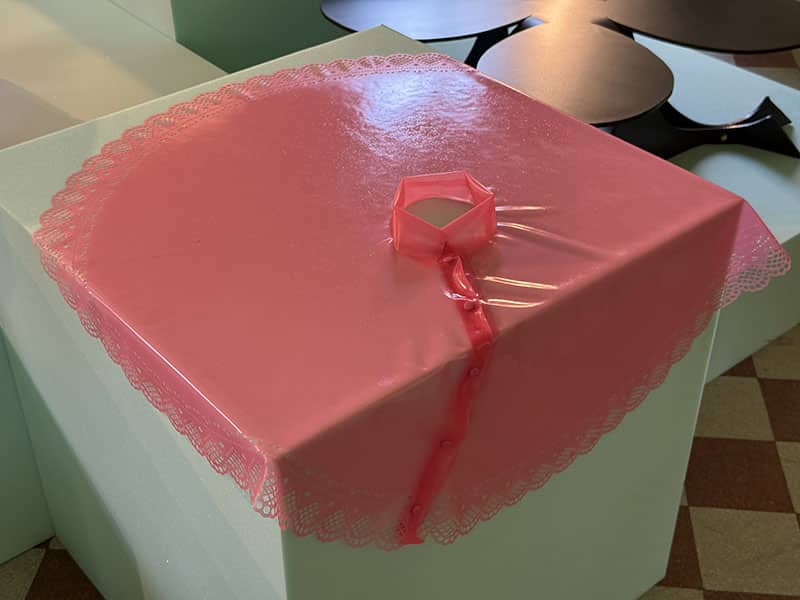
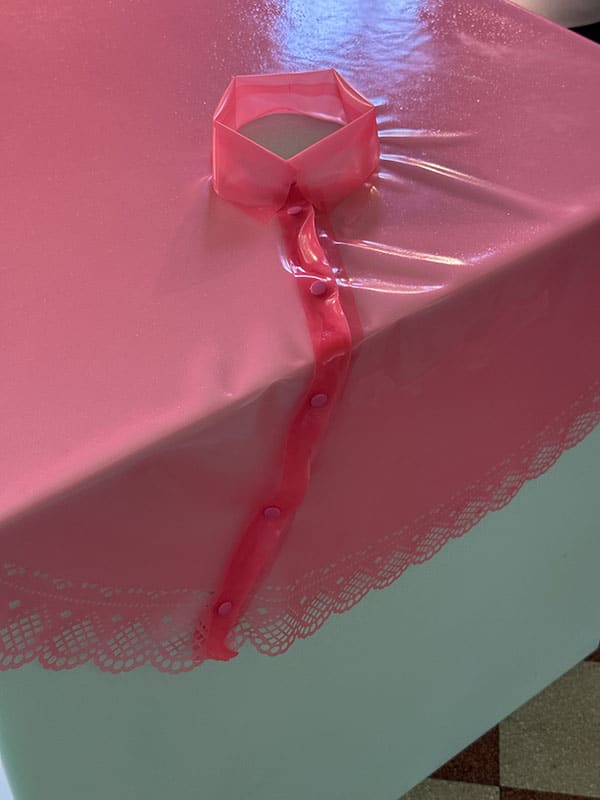
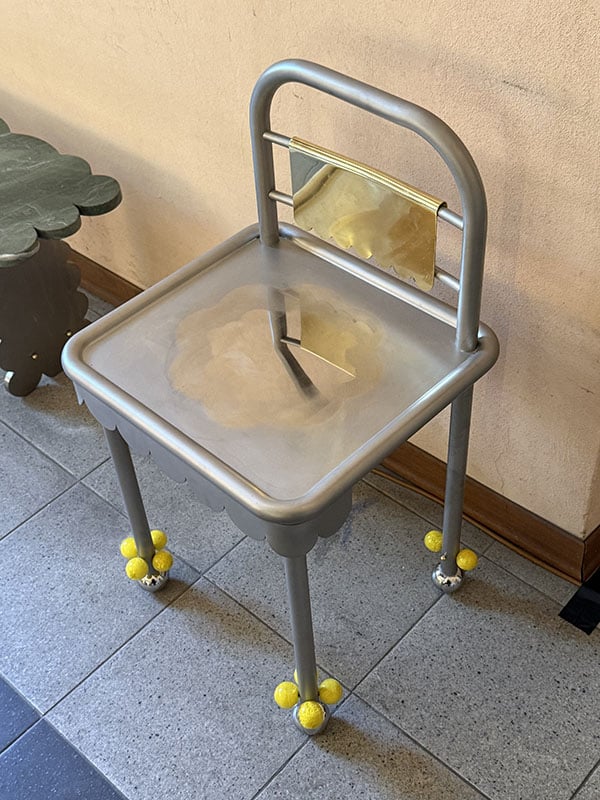
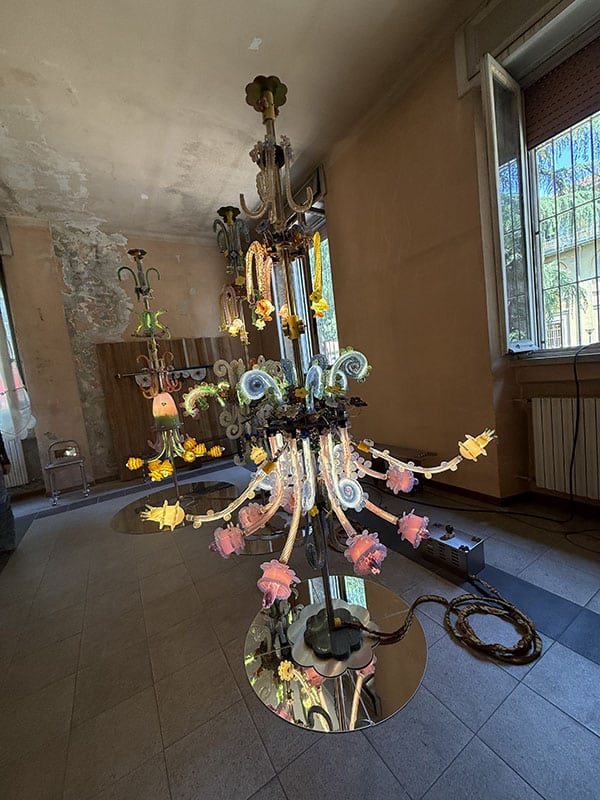
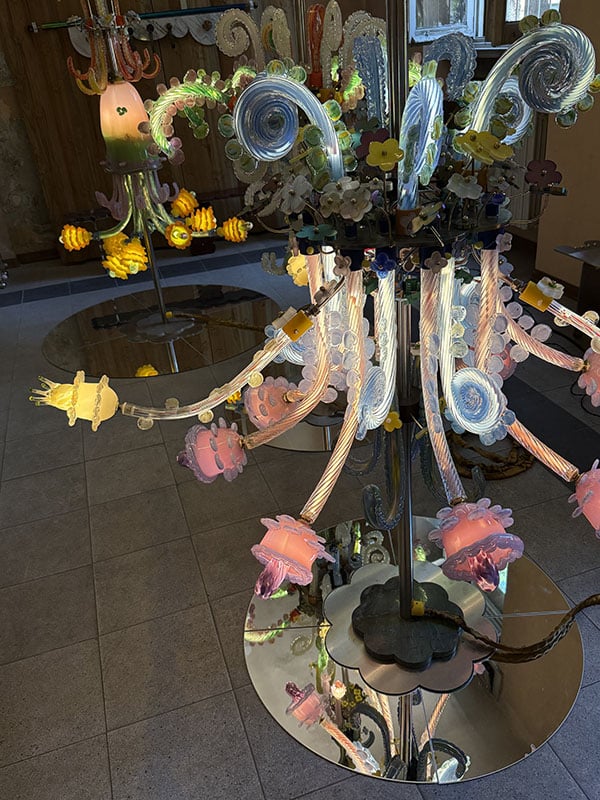
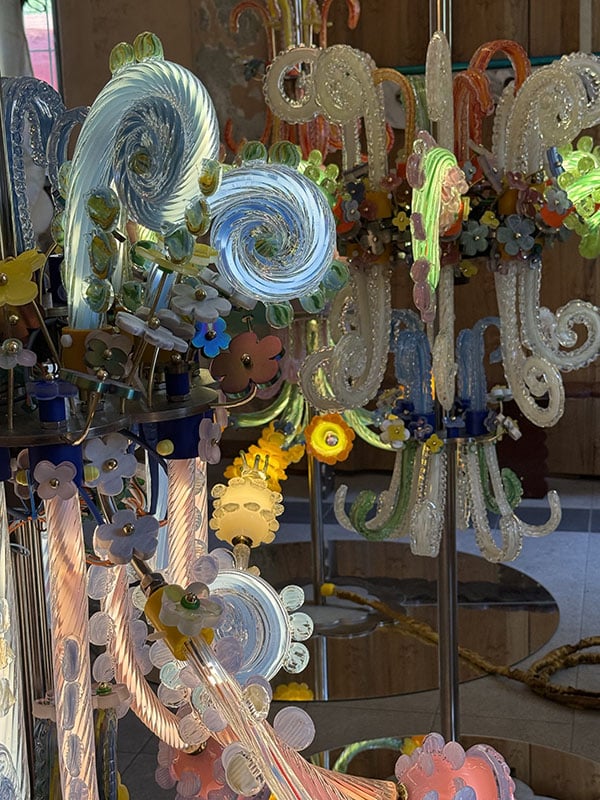
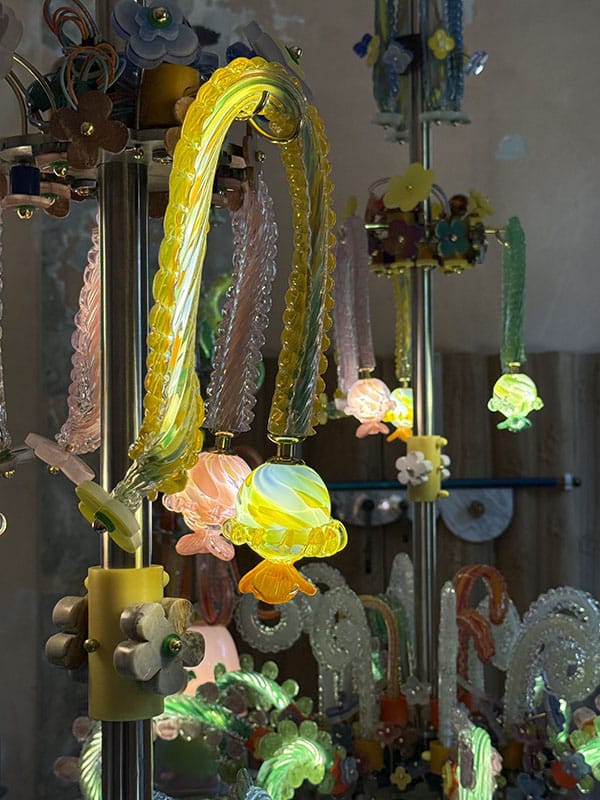
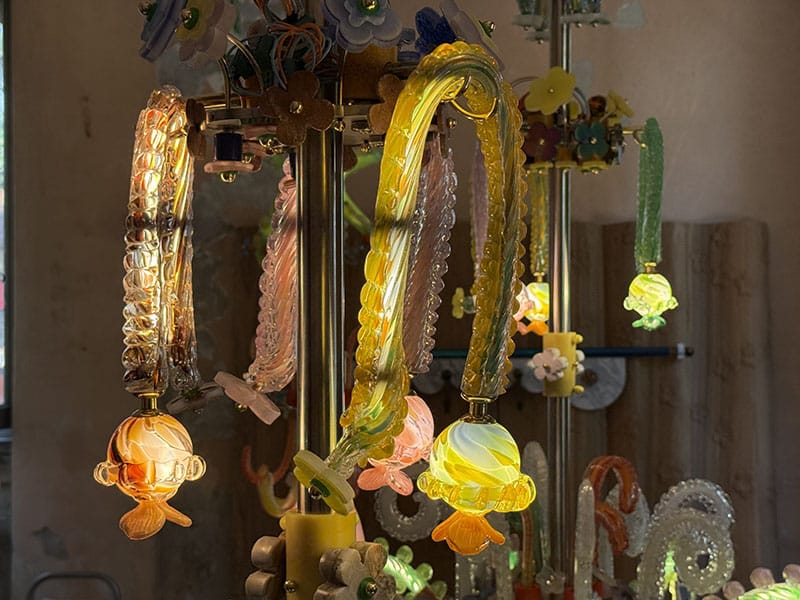
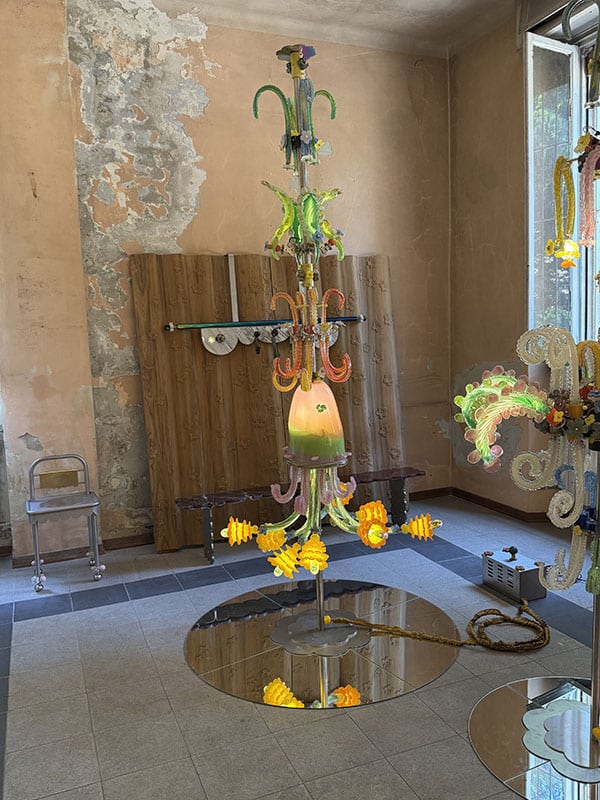
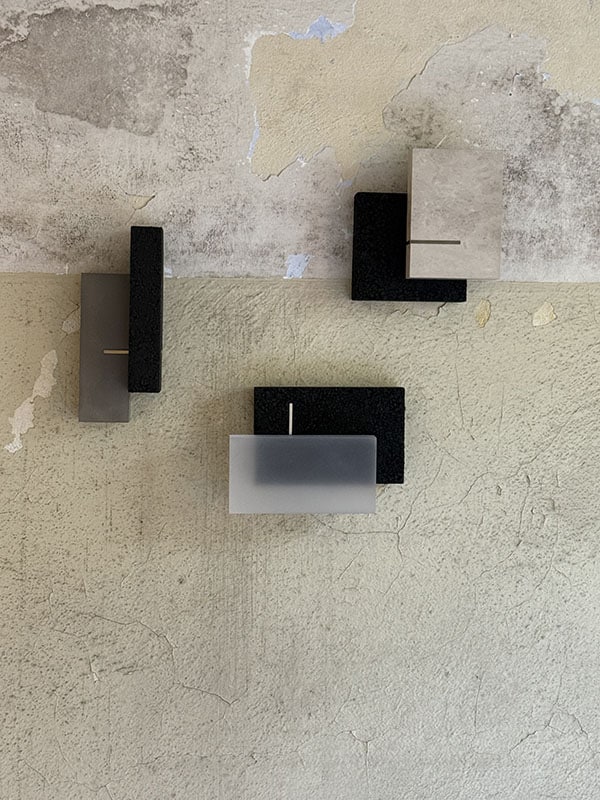
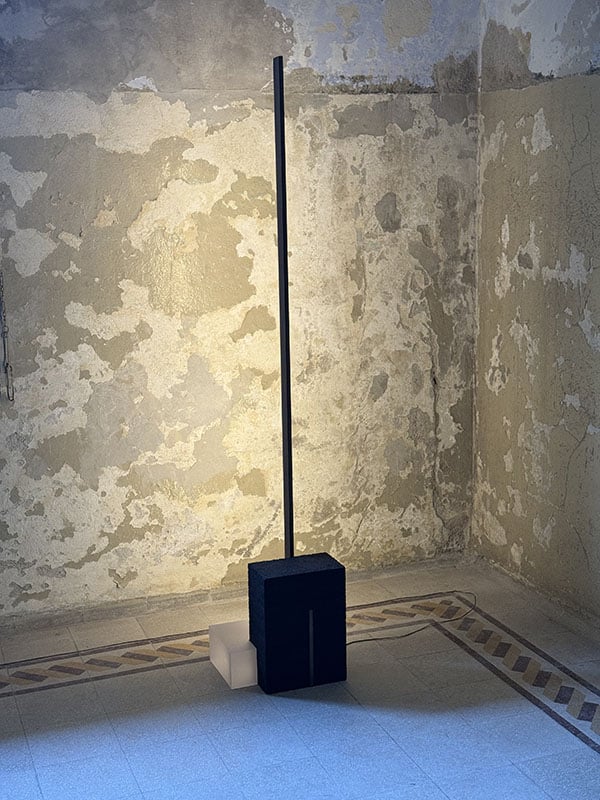
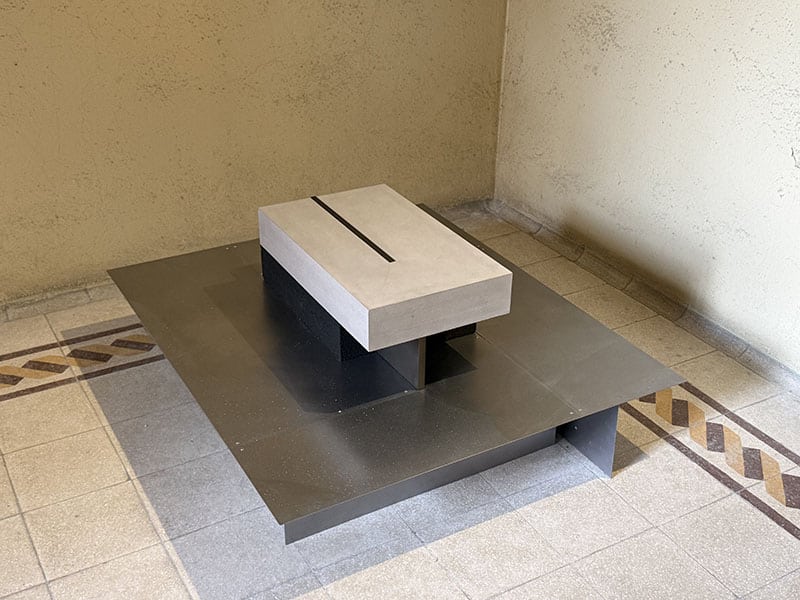
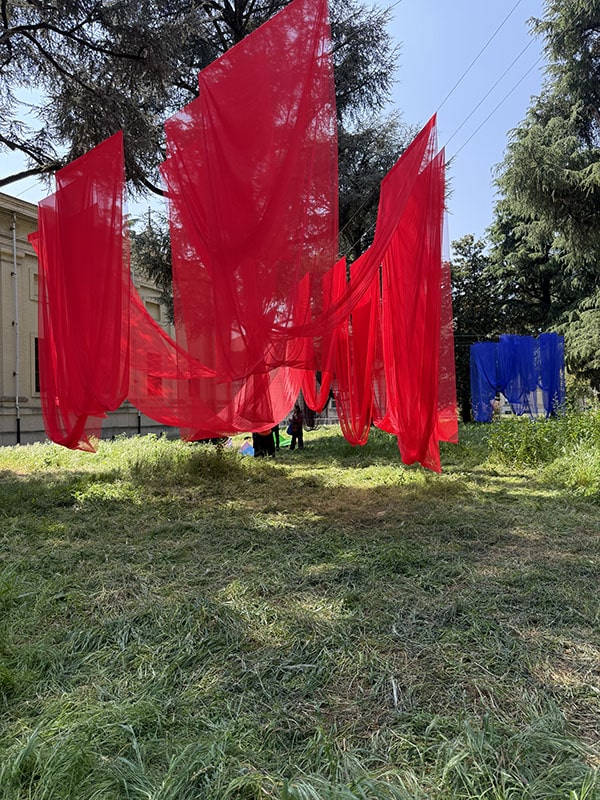
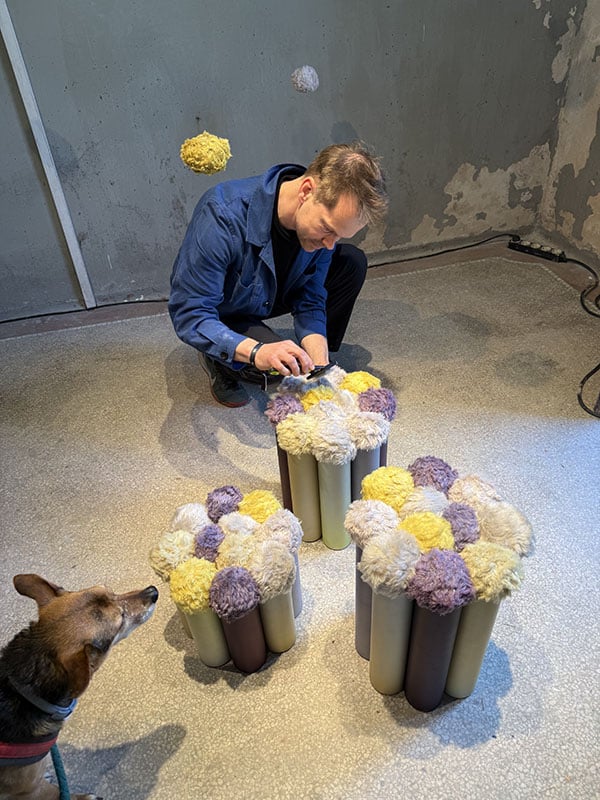
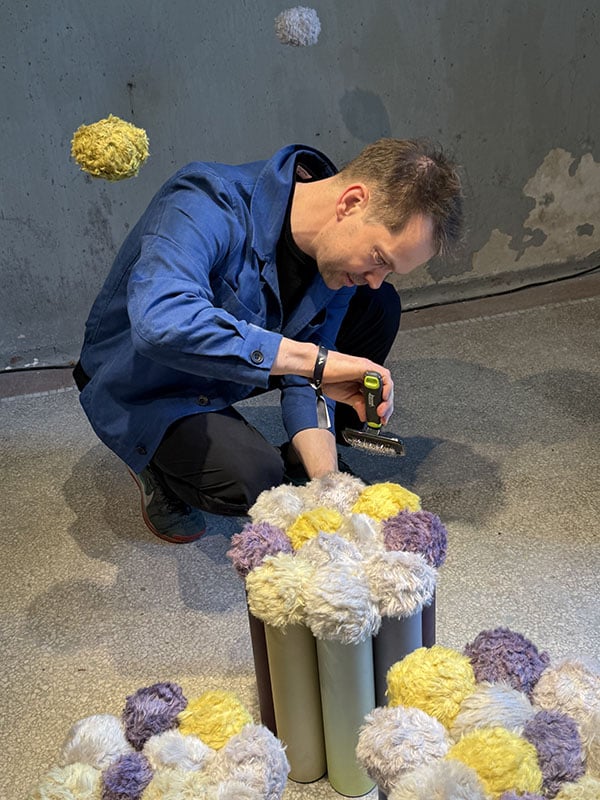
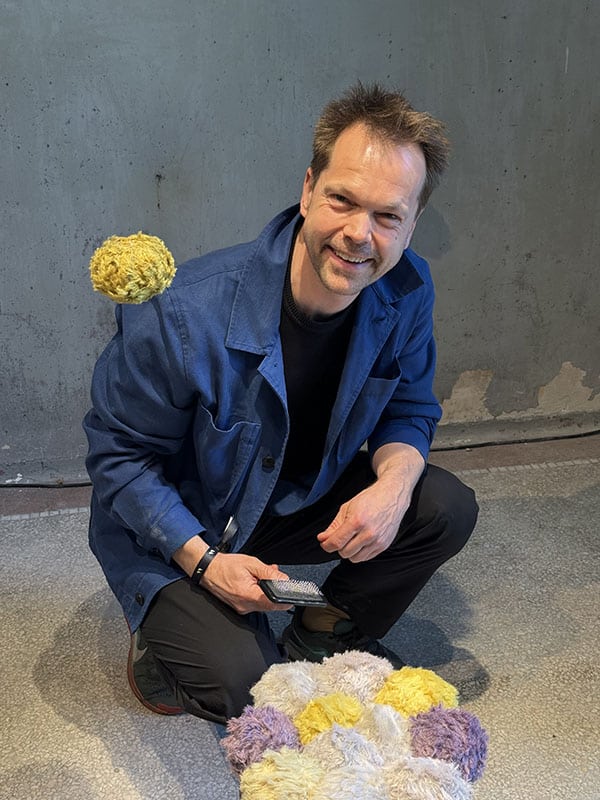
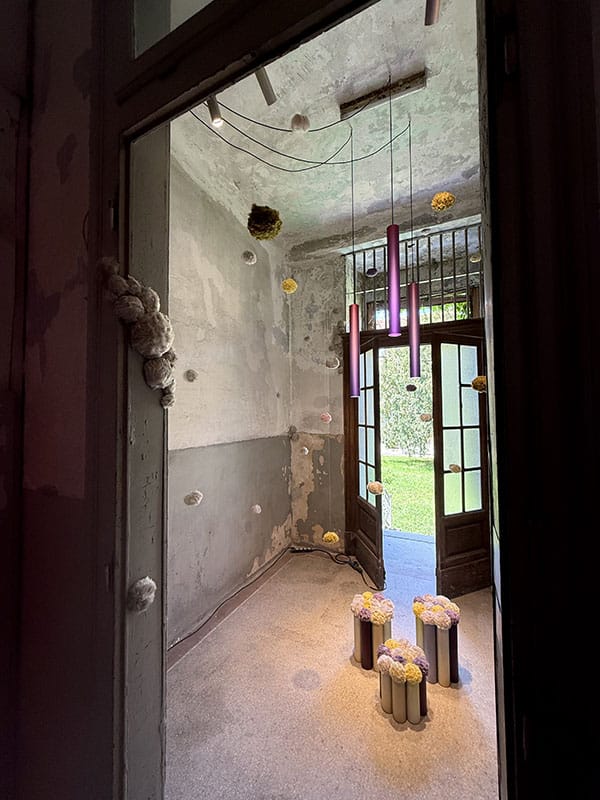
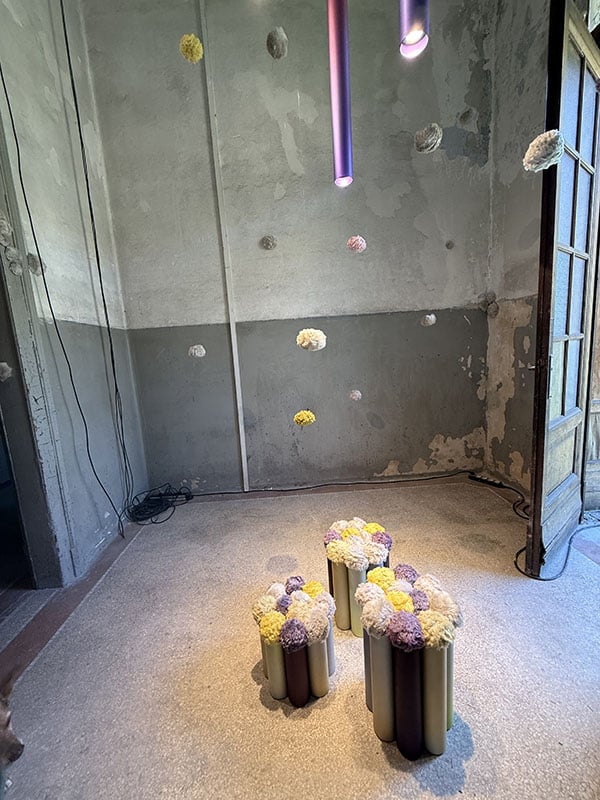
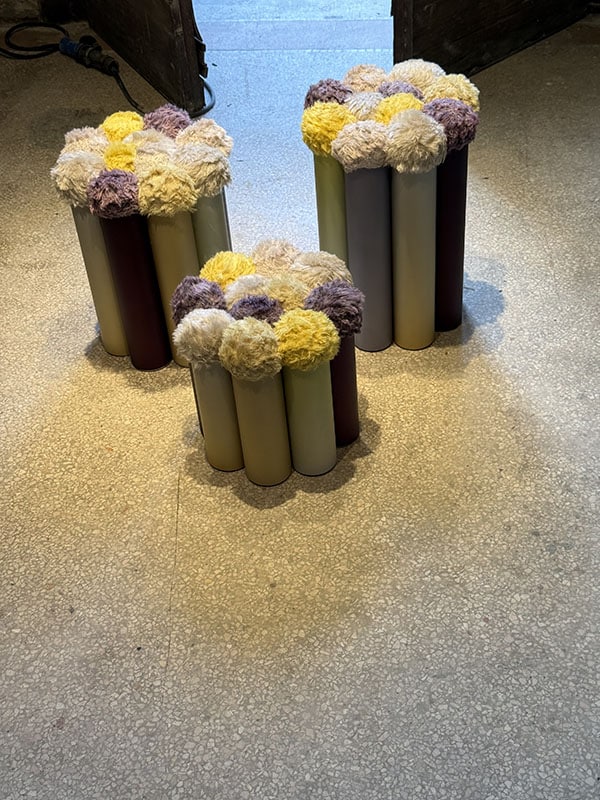
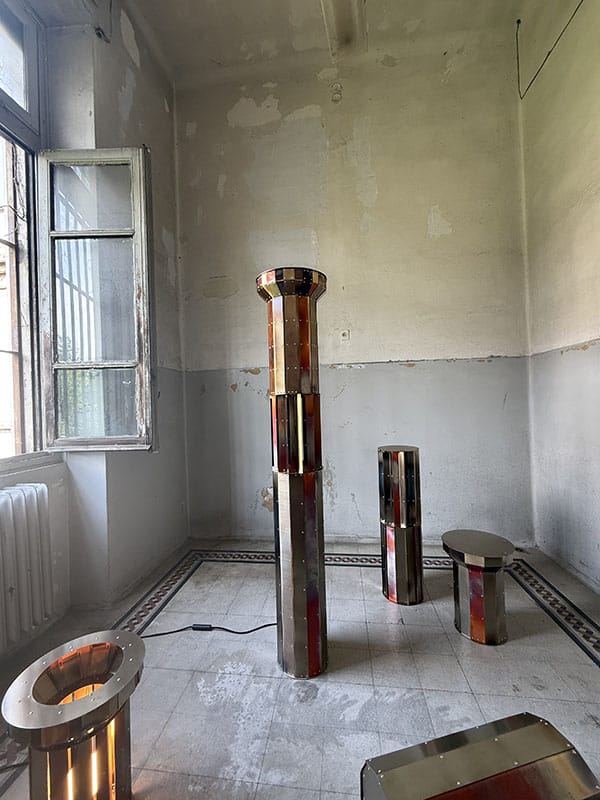
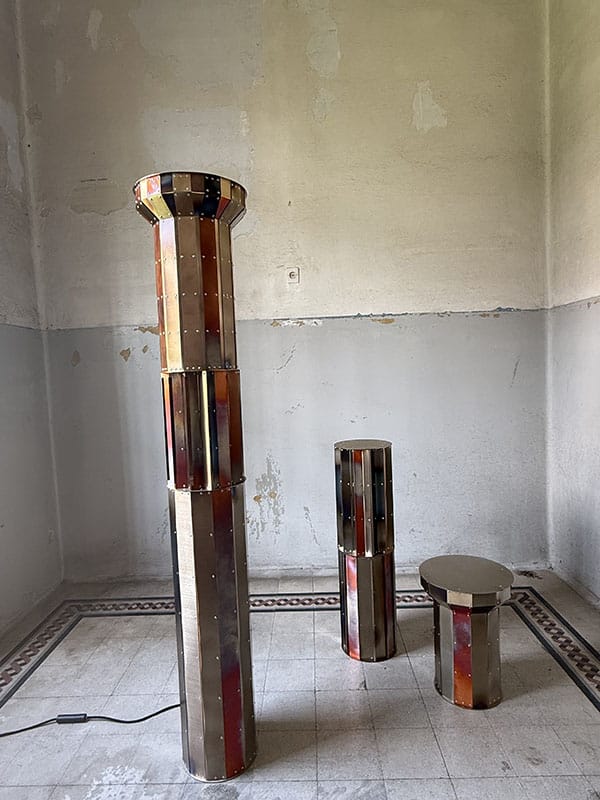
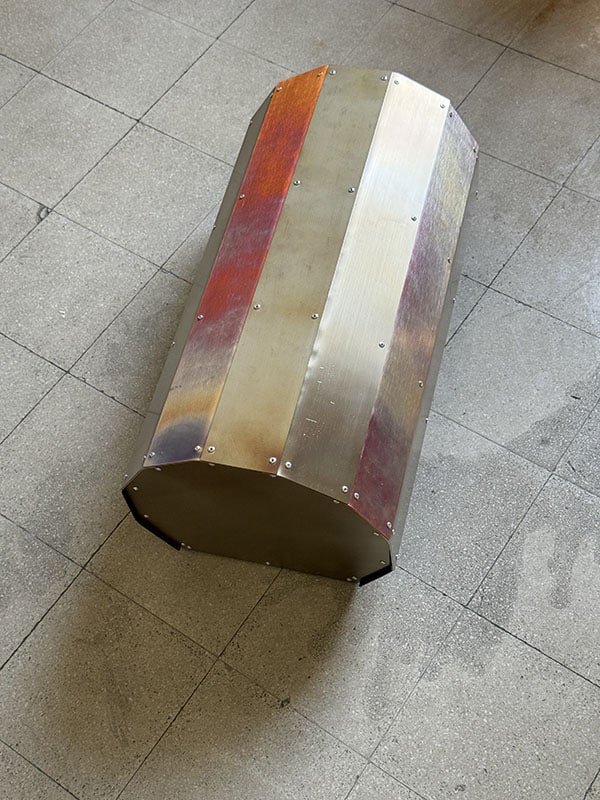
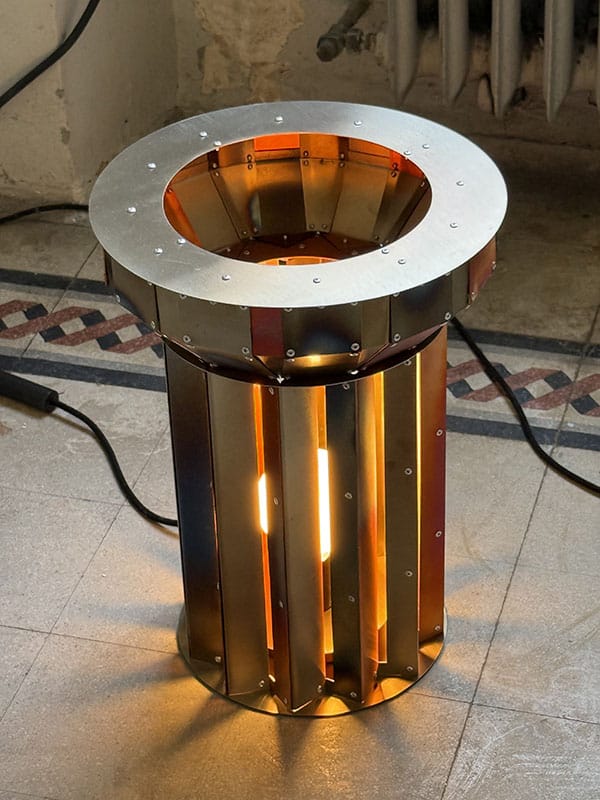
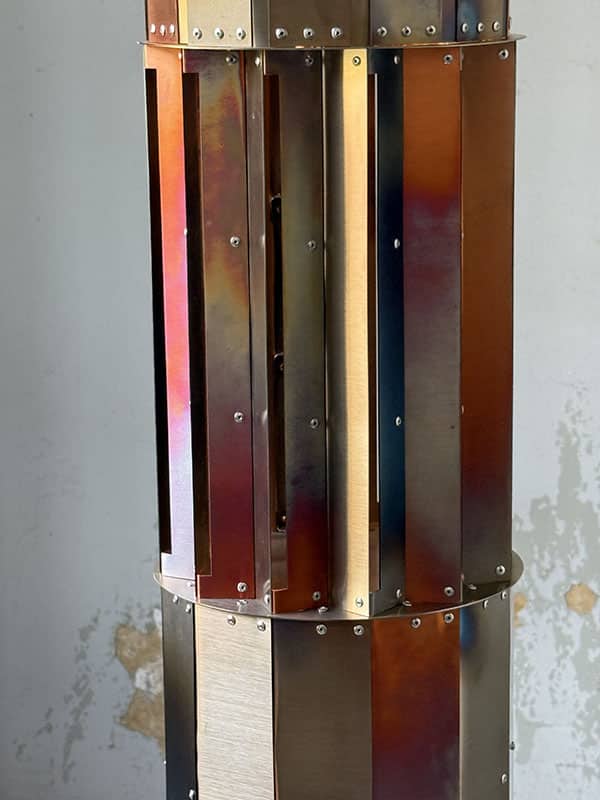
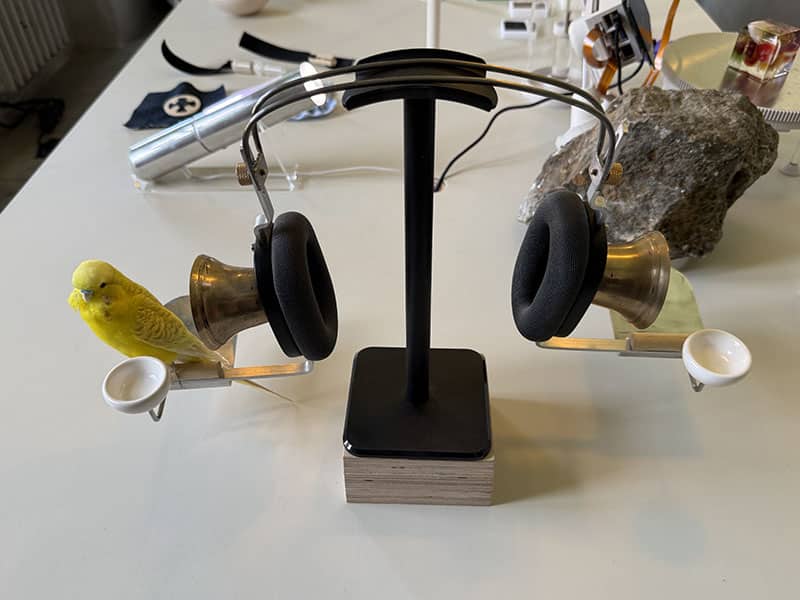
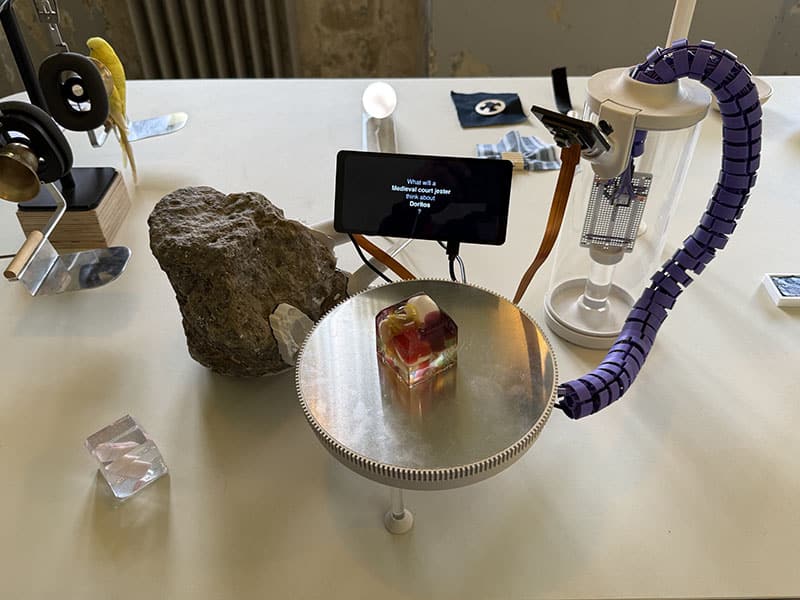
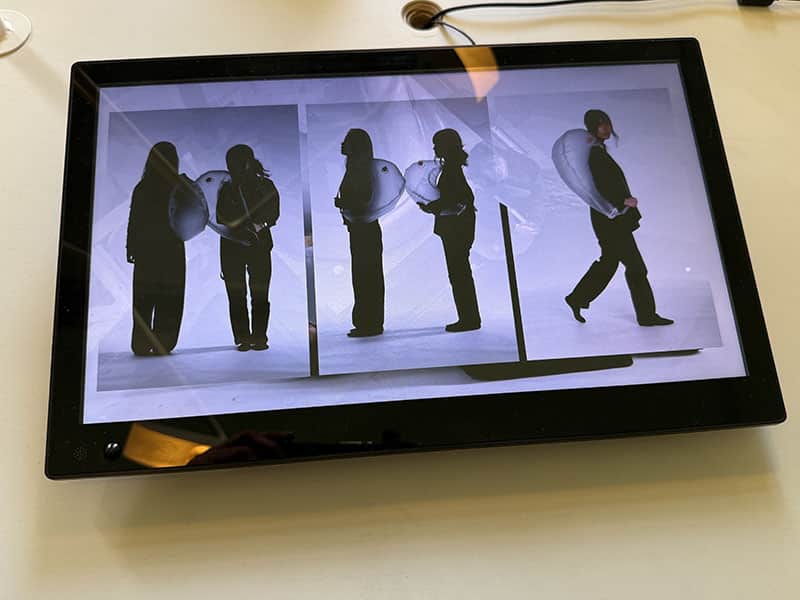
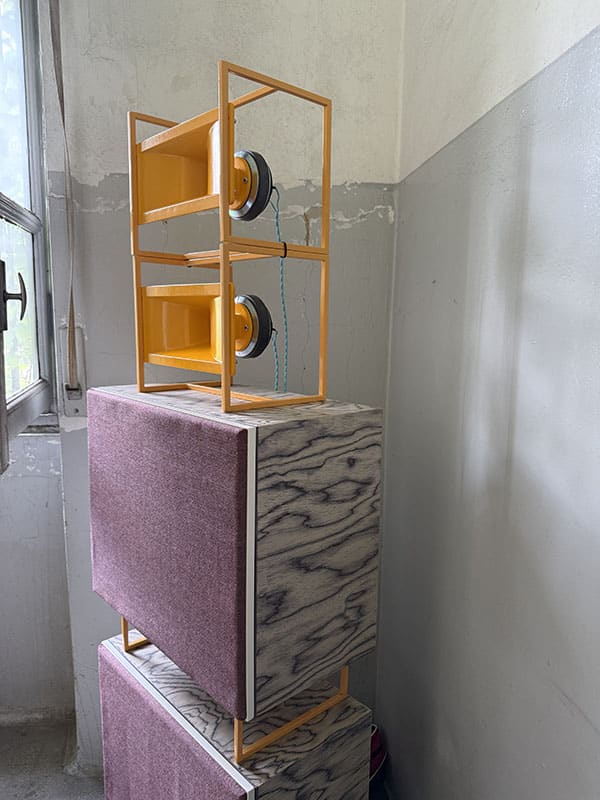
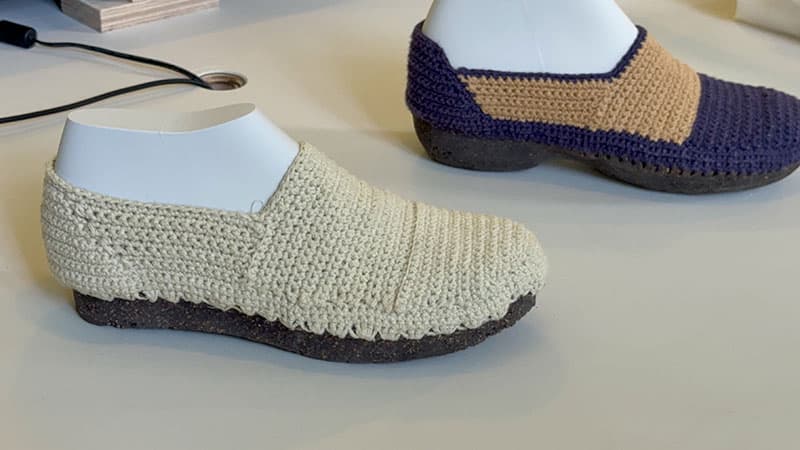
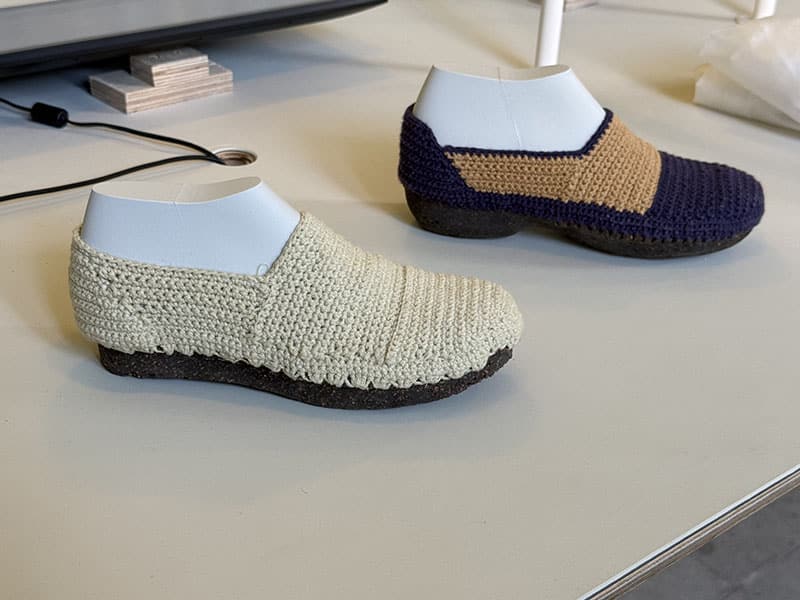
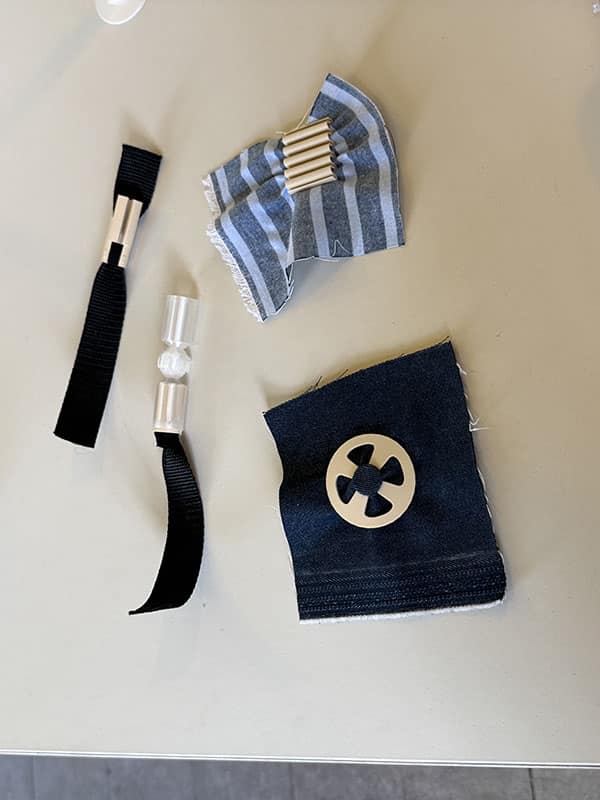
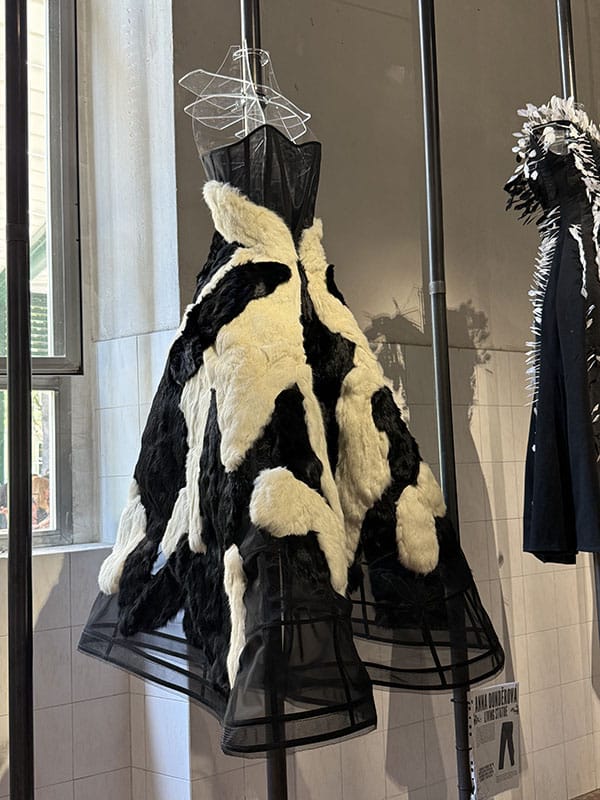
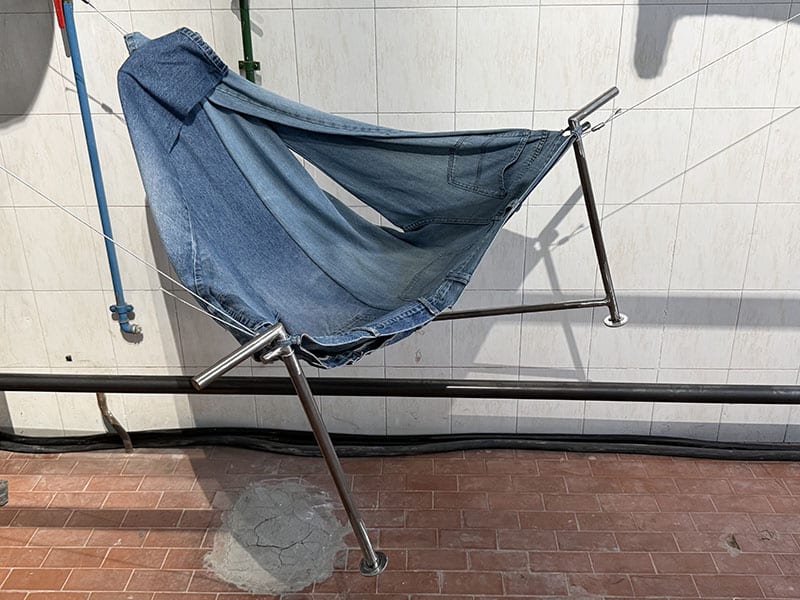
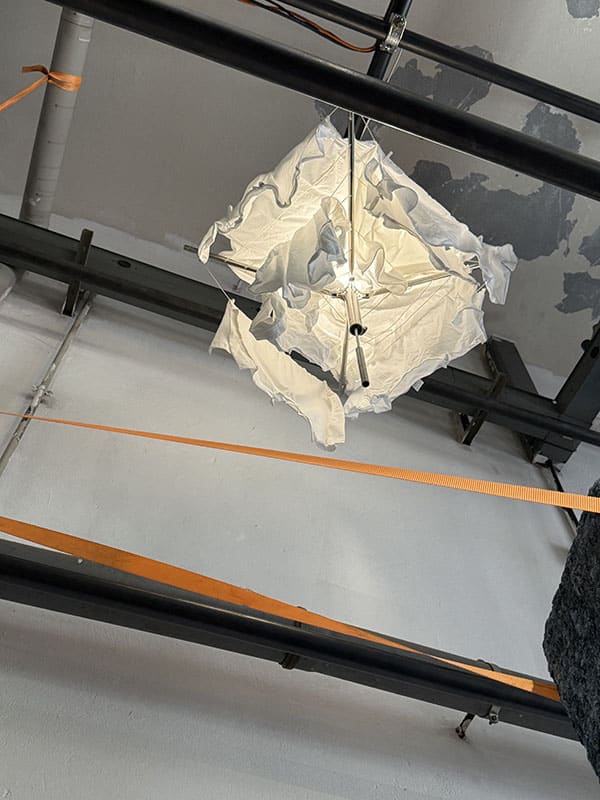
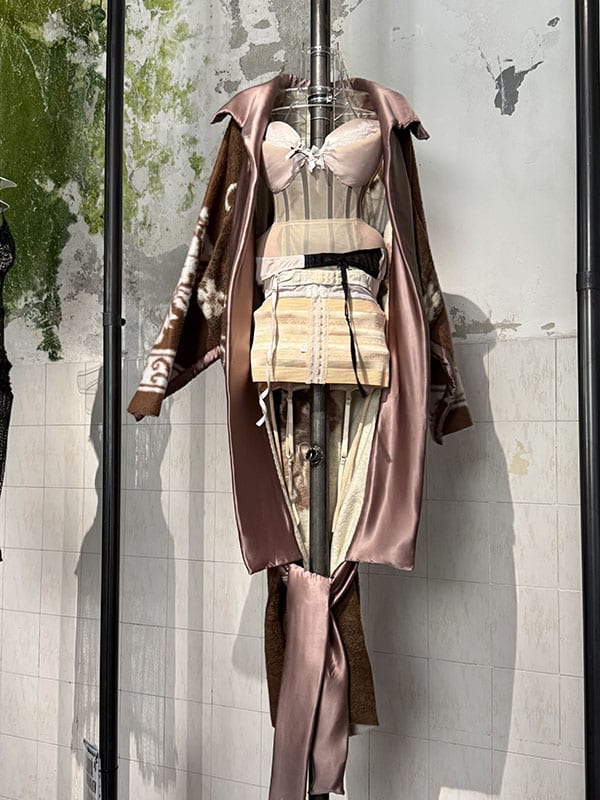
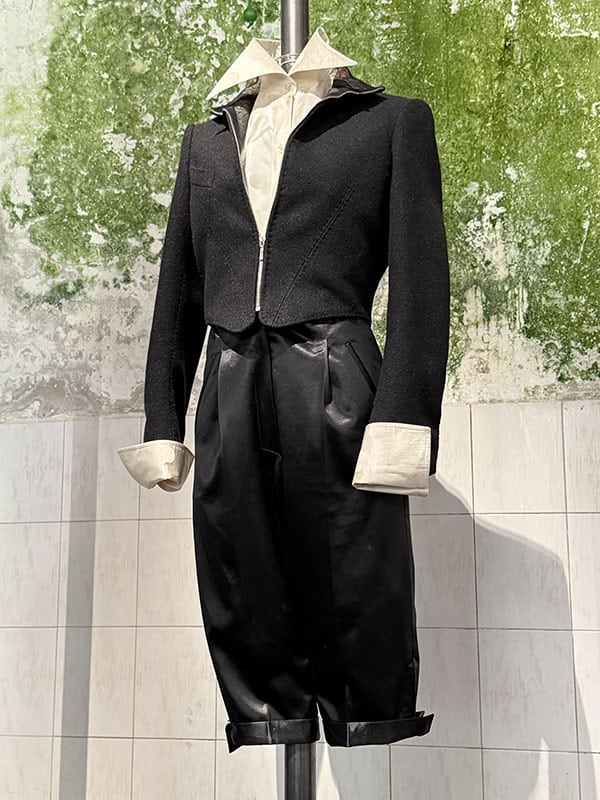
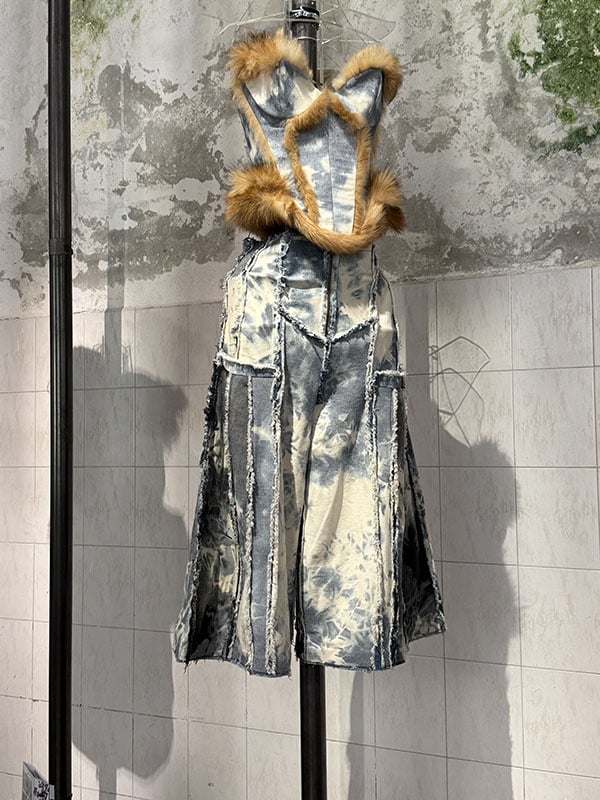
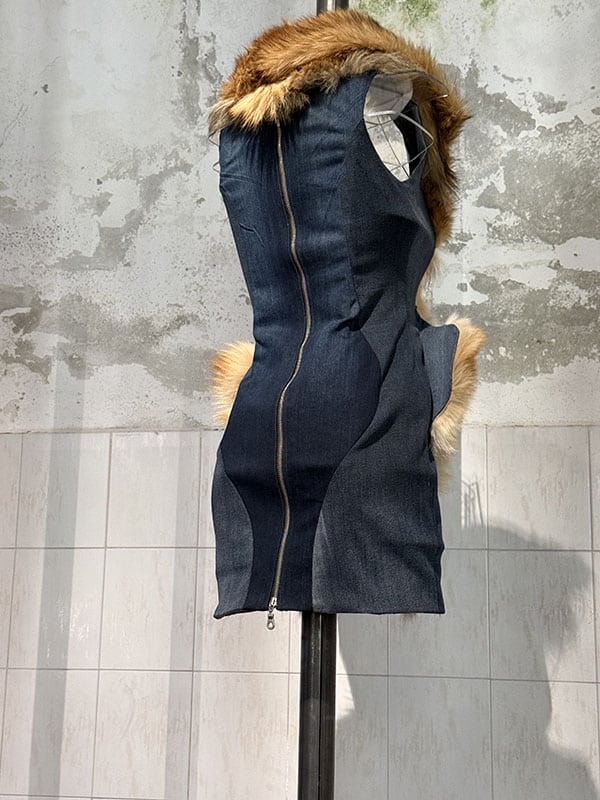
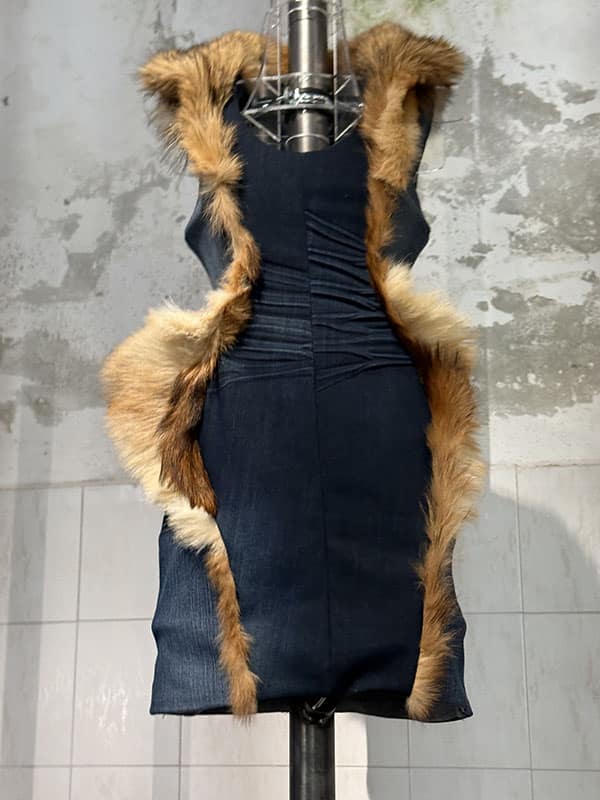
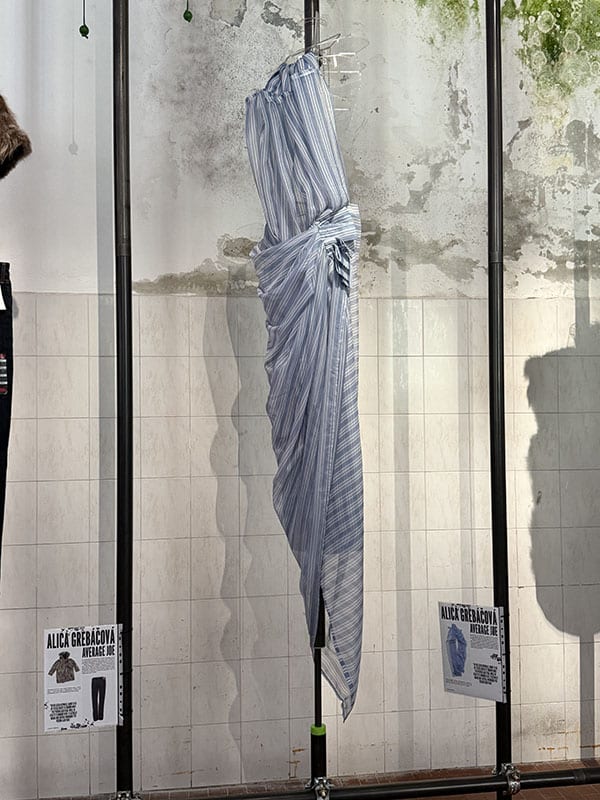
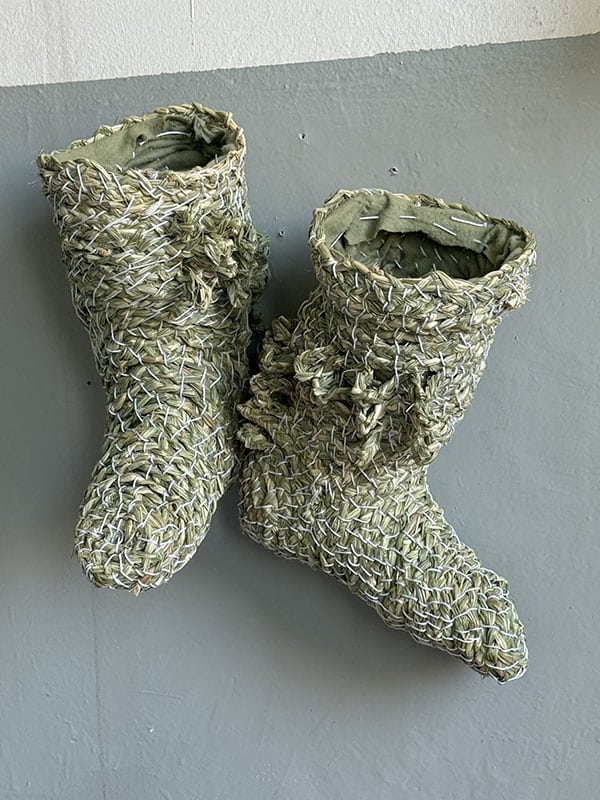
Continuation of Alcova from the previous article: when Design crosses the border into the poetics of musical art by reinventing its instruments, we find it designed by Hugo Maia Schmitt and Letizia Milone with the title “There are seven doves dancing in my home”. “Permanent soul” by Jordi Iranzo is a research work that suggests the function without imposing it starting from the waste networks coming from building contexts transforms them. Permanent Souls poses an open question: What remains when something no longer exists but endures in memory? Jean Baptiste Durand presents a series of lights created with the leftovers of a laboratory that produces glass for experiments, in these lamps, chemical micro-experiments take place in which the reactions are illuminated by LEDs. Johannes Offerhaus-Kinner is the founder of ZELT and here he exhibited a small pavilion that conceptualizes, designs and builds with textile structures that unfold as pavilions, tents, abstract installations, and intimate spaces. KOD.Objects with its archetypes reflects on how architectural elements have been translated into a universal visual language in which traces of their historical and cultural origins are taken. Matilde Arletti + collectif LA DALLE_Feast for rats- explore the relationships between humans and what are called pets, these animals are considered as active presences capable of undermining human centrality and questioning established hierarchies of convenience. Noritake Design Collection presents new porcelain pieces, including series co-created with Michele Delucchi and those with the Frank Lloyd Wright Foundation. Rive Roshan presents “Garden of Hope” an installation of monumental colored glass monoliths with optical instruments that reflect light, they project into the surrounding landscape, they also incessantly reflect the surrounding environment through the mirrored surfaces. From House of Creatures by Center for Creativity, Museum of Architecture and Design, Slovenia we have chosen to present the project that ironically represents the obsessions of clothing, authored by Sari Valenci_with her inflatable garments. Sema Topaloglu Studio with its chandeliers that at first glance make one think of the past but has a very different approach: a wait made of time not wasted but a time of interval between past, present and future, makes the function of lighting a spatial experience. In Japan, asphalt has been used as an adhesive since the Jomon period, and So Kozumi Design Studio, with its “As” series, reinterprets this function by making it a connection between materials, a mediator that unites metal, stone, and resin. With Spread we can contemplate the ambiguity of borders and frontiers can be expressed through overlapping strips of fabric provoking the double perception of “it seems it exists, no it doesn’t”. tudio LoopLoop presents its stools made of recycled aluminum and padded with fake fur created with plant-based dyes, a project that brings research into the material to reduce the impact of the petroleum-based system. Theo Galliakis translates the image of columns in the Greco-Roman tradition from the image of ruins to a series of functional objects. At UAL- Central Saint Martins, practice through making is about testing, reflecting, provoking and reimagining. Umprum Academy of Art Architecture and Design in Prague, starting from the experience of the local textile district, students addressed the problem of discarded clothes by transforming them into new products. Students at the University of Art Bremen experimented with textile techniques to produce objects through weaving, folding, wrapping and twisting in space with direct contact with the materials and the practical involvement with which the materials direct the design process. Access to water has always been a fundamental aspect of civilization: from the Persian qanats to the English public fountains introduced in the era of Queen Victoria, they have marked the level of significant achievement of humanity, with Oasis, Xavier Fuster and Paul Canfora go beyond the topical image of the plastic bottle that would refer to the purity of water from mountain springs they bring us back to the collective use of water also as a meditation on its universal meaning.
Milano Design Week - Fuorisalone 2026 - 4


Voir aussi : Milano Design Week – Fuorisalone 2026
A voir aussi sur artsixMic :
Milano Design Week – Fuorisalone 2026
Lis Sam : Photographie, Composition florale, Matière et Illusion optique !
Nancy : « Là où les arbres prennent forme » à la Villa Majorelle
Exhibition of Lanfranco Baldi at Accademia Belle Arti in Firenze
La mode en majesté : Haute couture et tradition à la cour de Thaïlande
Illumination, l’Art Numérique Coréen à l’honneur !
Paul McCartney Photographe, 1963-64: Eyes of the Storm
Leonora Carrington au Musée du Luxembourg
JonOne s’installe à Montpellier mais aussi à Paris !
Avant les Nymphéas, Monet découvre Giverny !
Art aborigène : Le temps du rêve au Musée de Lodève
Robert Charles Mann présente à Chambord : SOLARIS
Tangara Gélinotte et Cie au Musée du Nouveau Monde
Le Louvre Abu Dhabi présente “Picasso, la figure”
Le Muséum national d’Histoire naturelle à 400 ans !